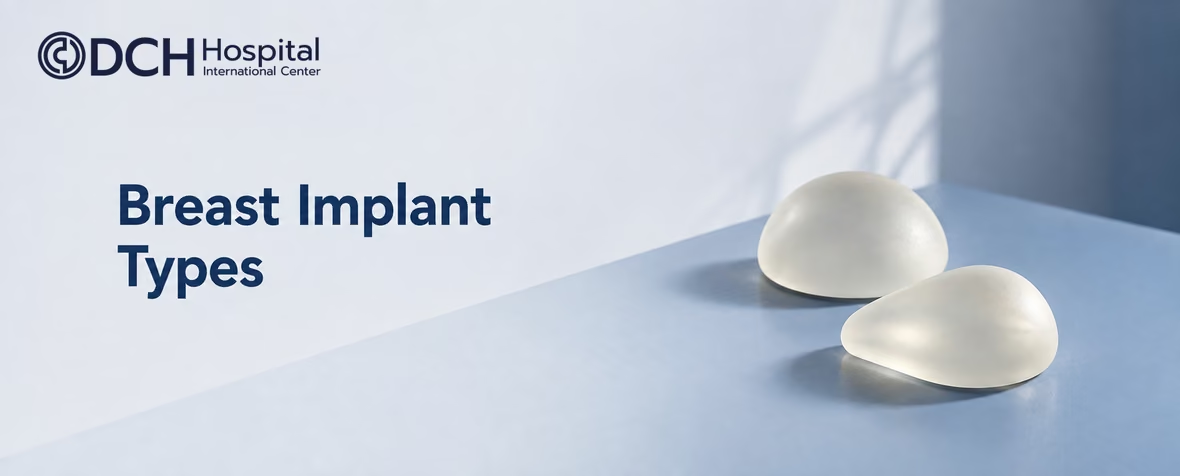
Breast Implant Types Explained
Breast implant types describe several different features. Filling, shape, projection and shell surface are separate choices, so a label such as silicone or round does not tell you everything about a device. Understanding the terms makes a consultation more useful.
If you are researching breast augmentation surgery, begin with the change you want and the anatomy the surgeon needs to assess. An implant is selected as part of an operation and a long-term care plan, not from a catalogue image alone.
Four Features to Compare
Filling and Shell
The filling may be saline or silicone gel. Both categories use a silicone outer shell; filling and surface are different characteristics.
Shape and Projection
Volume is only one measurement. Width, shape and how far an implant projects also affect how it relates to your tissues.
Surface and Monitoring
Ask about the exact shell surface, device-specific risks and follow-up. No implant type removes the need for ongoing care.
Saline and Silicone Fillings
The US Food and Drug Administration describes saline-filled implants as silicone shells containing sterile saltwater, while silicone gel-filled implants contain gel within a silicone shell. Some saline devices are filled during surgery. These descriptions explain the materials; they do not establish which device is suitable for a particular person. FDA implant types overview.
Ask to see the patient information for the exact device proposed. Brand names can cover several models, so record the model, dimensions, filling and surface rather than relying on a broad family name.
For surgery in Thailand, ask the hospital to confirm the device's local registration and supply documentation. US regulatory information is useful background, but it should not be presented as proof that a particular product is authorized or available locally.
What Cohesive Gel Means
The term cohesive describes how the silicone gel holds together. Some more form-stable devices are informally called gummy bear implants. This is a material description, not a promise that a device cannot rupture or that every gel implant behaves identically.
The American Society of Plastic Surgeons distinguishes form-stable gel, round shapes and different surfaces in its implant guide. It also explains that rotation of an anatomically shaped implant can affect breast appearance. ASPS breast implant guide.
Ask how the proposed gel and shell characteristics relate to your tissue coverage and desired result. A demonstration model can help explain feel, but holding it does not reproduce how it will look or feel after surgery.
Shape, Size and Profile
Round and anatomically shaped implants describe geometry. Profile describes projection in relation to an implant's base. Two implants with the same volume can therefore have different dimensions. A number measured in cubic centimetres does not predict a universal cup size or final silhouette.
Ask the surgeon to explain the proposed width and projection using your own chest and breast measurements. Discuss existing asymmetry, skin characteristics and the result you would find too large or too prominent, as well as the change you hope to achieve.
Try-on sizers and simulations can support this conversation. Treat them as planning aids and ask what they cannot show, including tissue behaviour, healing and the final position.
Smooth and Textured Surfaces
Surface texture is separate from the filling and shape. The FDA identifies breast implant-associated anaplastic large cell lymphoma, or BIA-ALCL, as a potential implant-related risk and reports a stronger association with textured devices. This is a lymphoma associated with the implant capsule, not ordinary breast cancer. FDA risks and complications.
Ask for the exact surface classification and the current safety information for the model being considered. A general claim that one surface is always best is not an adequate explanation of the individual trade-offs.
Bring any previous implant records to consultation. A current device label may not describe the full implant history, especially after a revision or replacement.
Monitoring and Future Decisions
Implants are not lifetime devices. Possible problems include capsular contracture, rupture, changes in sensation, displacement and additional surgery. A silicone rupture may not produce an obvious change in appearance, which is one reason to discuss appropriate imaging and monitoring rather than relying on symptoms alone.
Ask which examinations or imaging are recommended for your device and circumstances, who will arrange them and what they may cost. Implant monitoring and routine breast-health screening serve different purposes; discuss both with your healthcare team.
Keep the device card and operation record. Seek assessment for a new lump, persistent swelling, pain, hardening or another breast change. Do not assume that a change is simply part of having implants.
Questions Before Choosing a Device
A useful comparison ends with a documented plan. Ask why the proposed dimensions and material fit your anatomy, which alternatives were considered and what would change the recommendation. Include the option of postponing surgery if the trade-offs do not match your priorities.
Discuss incision and implant placement separately from the device itself. If breast position or excess skin is the main concern, ask whether an implant alone addresses it. More volume and a lift are different treatment goals.
Request a written quotation that identifies the proposed operation and what follow-up includes. Clarify how the hospital handles an unexpected review or revision discussion without assuming that a product warranty covers every future expense.
Compare Options With Clear Information
At a DCH Hospital consultation, ask for the proposed implant's model, dimensions, material, surface and patient information. Use these details to discuss suitability, alternatives and long-term follow-up.
Frequently Asked Questions
Implants can be described by filling, shape, profile and surface. Saline and silicone refer to filling; round or anatomical refers to shape. These features should be compared separately.
The term usually describes a more form-stable silicone gel implant. It does not mean the implant cannot rupture or that all devices using the term have identical characteristics.
No. Dimensions, tissue coverage, existing anatomy and the operation all influence appearance. Volume alone cannot predict a particular cup size or silhouette.
Yes. Discuss clinical reviews, device monitoring and breast-health screening with your team. The recommended plan depends on the device and your circumstances.
Photographs can help communicate preferences, but they cannot establish suitability. Ask the surgeon to relate the proposed device to your measurements, tissue characteristics and treatment goals.