Understand Your Under-Eye Concern
Eye Bags, Tear-Trough Hollows And Loose Skin Can Occur Together, But They Are Not The Same Problem. Identifying What Creates Your Under-Eye Appearance Helps Set A Realistic Treatment Goal.
Under-Eye Bags
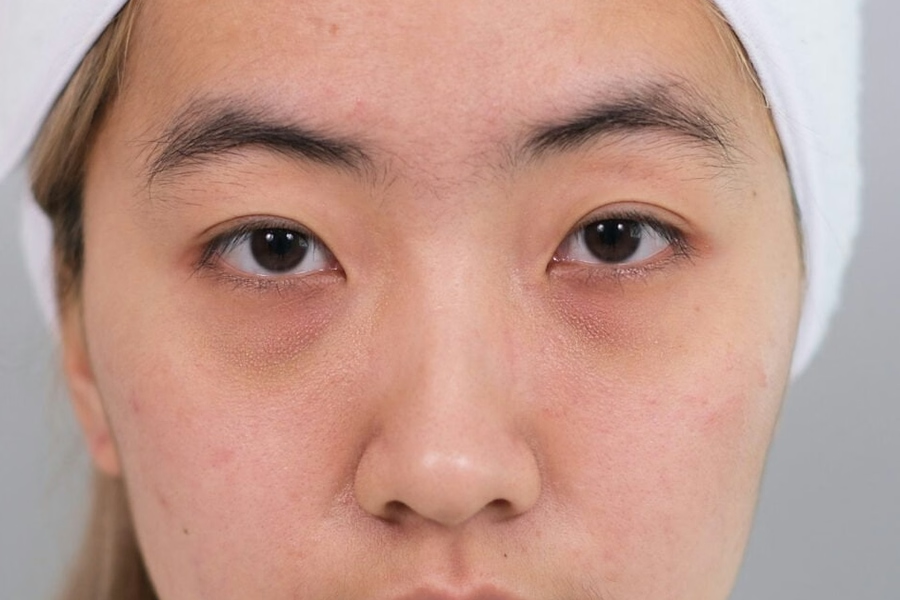
Fat Beneath The Lower Eyelid Can Become More Prominent, Creating A Bulge. Your Surgeon Assesses Whether Fat Is The Main Cause Of The Fullness And Checks Eyelid Support Before Recommending Treatment.
Hollows And Shadows
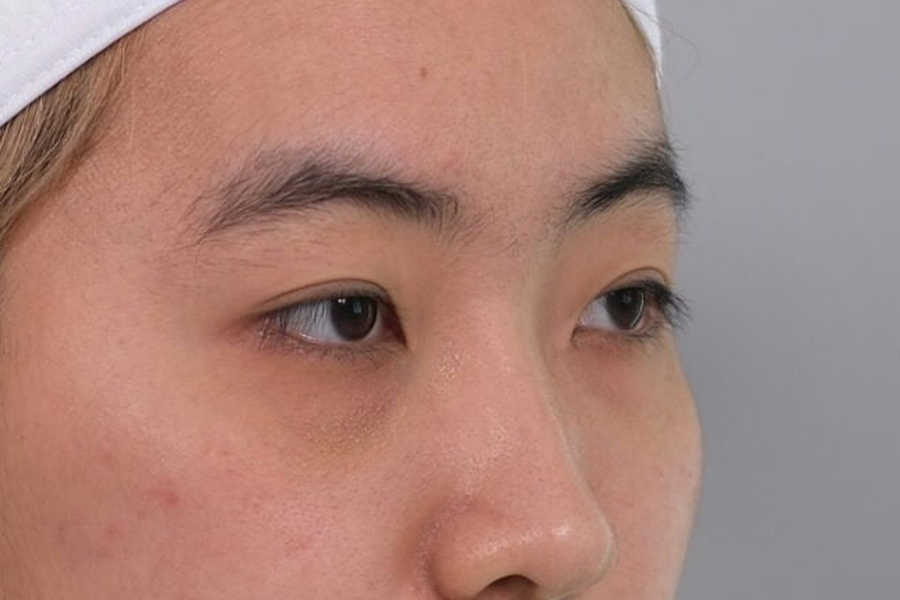
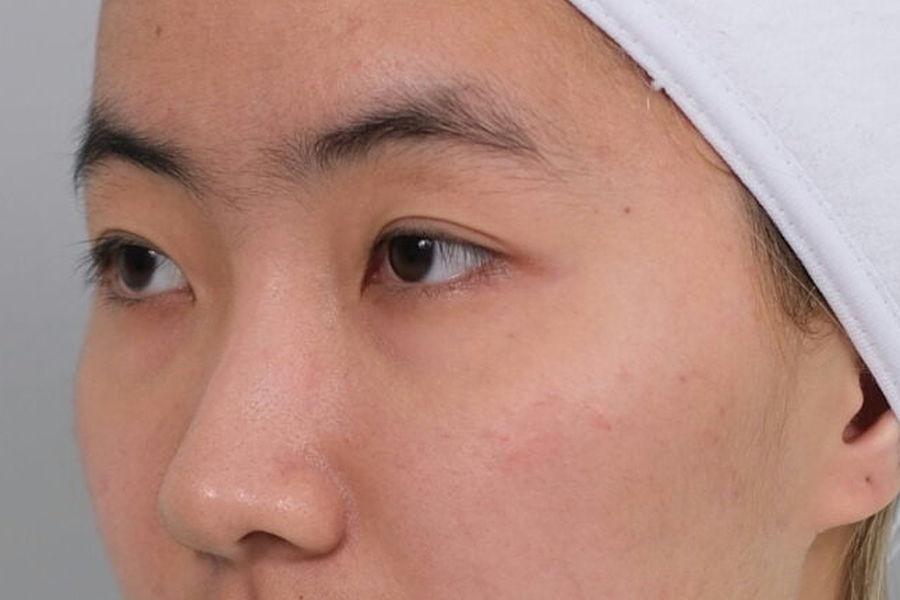
A Tear-Trough Hollow Is A Depression Between The Lower Eyelid And Upper Cheek That Can Create A Shadow. It May Occur With Or Without Eye Bags. Pigmentation And Other Causes Of Dark Circles Need Separate Assessment.
Loose Skin
Loose Or Excess Lower-Eyelid Skin Can Create Folds, While Fine Lines Reflect Changes In Skin Texture. These Concerns May Need Different Treatments. Your Surgeon Assesses Skin Excess And Eyelid Support When Planning Care.
Not Every Under-Eye Change Needs Surgery. New, Painful Or Sudden Swelling Should Be Medically Assessed Before Considering Cosmetic Treatment.
Choosing A Surgical Approach
The Incision Route Depends On Fat Fullness, Skin Excess And Eyelid Support. These Common Approaches Are Discussed During Assessment; Neither Is Best For Everyone.
Transconjunctival Approach

Access
An Incision On The Inner Surface Of The Lower Eyelid Allows Access To The Fat Without An External Skin Incision For This Approach.
May Suit
Selected Patients With Prominent Fat And Little Excess Skin May Be Suitable, Depending On Eye Health And Lower-Lid Support.
Limits
This Approach Alone Does Not Remove Excess Skin. Additional Skin Treatment Or Eyelid Support May Be Recommended After Examination.
External Skin Approach
Access
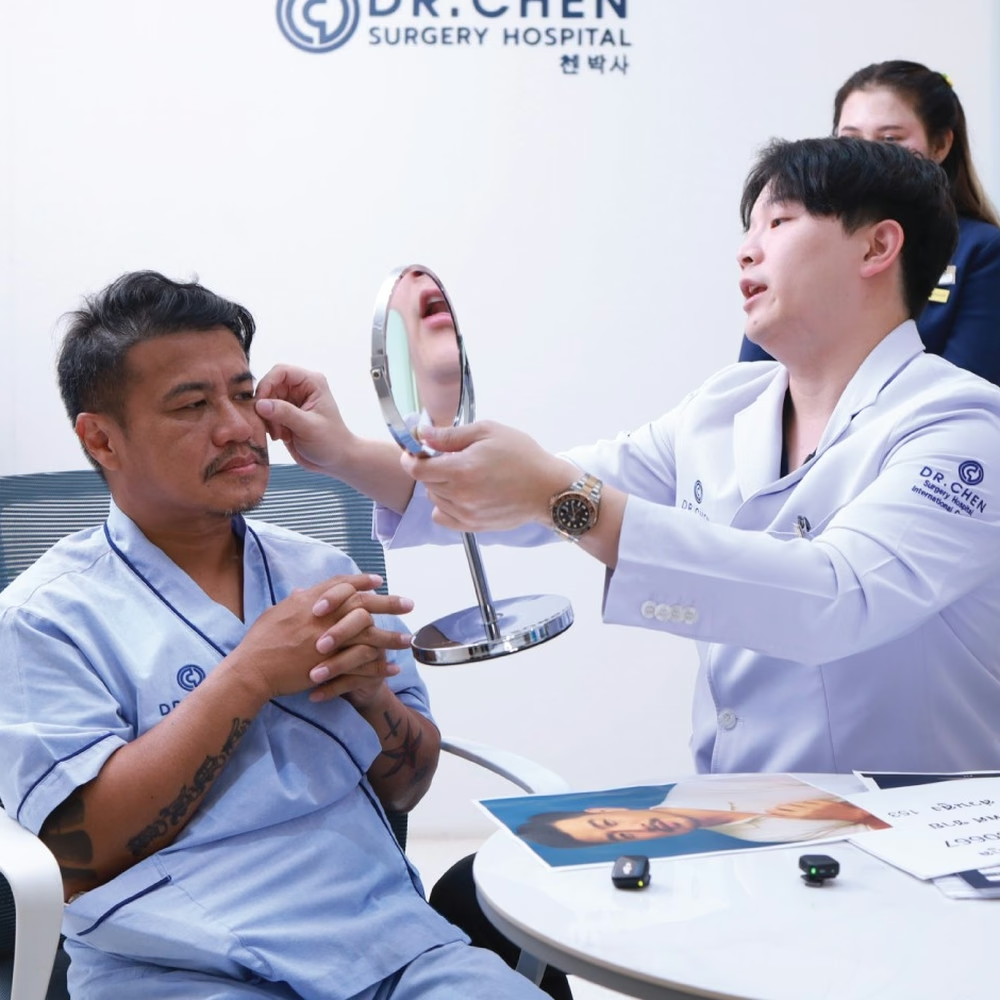
An Incision Just Below The Lower Lash Line Allows The Surgeon To Address Selected Skin Excess And, Where Planned, The Underlying Fat.
May Suit
This Approach May Be Considered When Excess Lower-Eyelid Skin Needs Treatment. Your Surgeon Assesses Skin Laxity And Eyelid Support Before Planning Any Skin Removal.
Limits
A Skin Scar Can Remain Visible, And Lower-Lid Retraction Or Turning Outward Is A Risk. No Technique Guarantees A Scar-Free Or Symmetrical Result.
Your Plan May Include Fat Repositioning Or Removal, Skin Treatment And Eyelid Support, Depending On Your Assessment.
Fat Repositioning And Balance
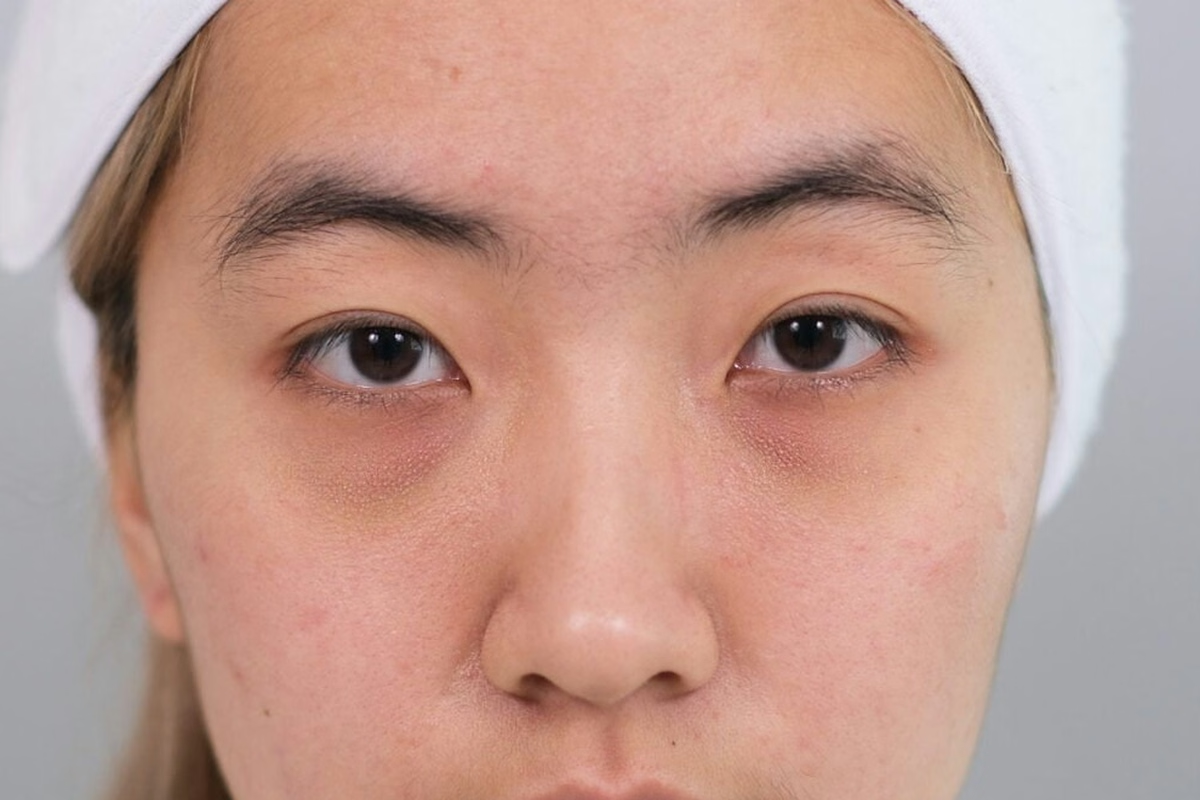
Under-Eye Bags Can Create A Bulge, While A Tear-Trough Hollow Forms A Depression Between The Lower Eyelid And Cheek. Assessing Both Helps Your Surgeon Decide Whether Fat Repositioning, Conservative Fat Removal Or Another Approach May Be Suitable.
 Lower EyelidTear-Trough Region
Redistributing Fat
Existing Lower-Eyelid Fat May Be Moved Into A Nearby Hollow To Soften The Transition. This Differs From Injecting Fat Taken From Another Body Area, And Suitability Depends On Your Anatomy.
Reducing Fullness
Conservative Fat Removal May Suit Some Eyelids. Over-Removal Can Leave A Hollow Appearance. Ask What Will Be Preserved, Moved Or Removed, And Why.
Fat Repositioning Does Not Address Every Cause Of Dark Circles Or Under-Eye Swelling. Pigmentation, Fine Lines And Upper-Cheek Puffiness May Need Separate Assessment And Treatment.
Your Lower Eyelid Consultation
Eye Health
Discuss Dryness, Contact Lenses, Vision Symptoms, Thyroid Eye Disease And Previous Eye Or Facial Procedures. Existing Eye Problems May Need Specialist Assessment Before Elective Surgery.
Anatomy And Goals
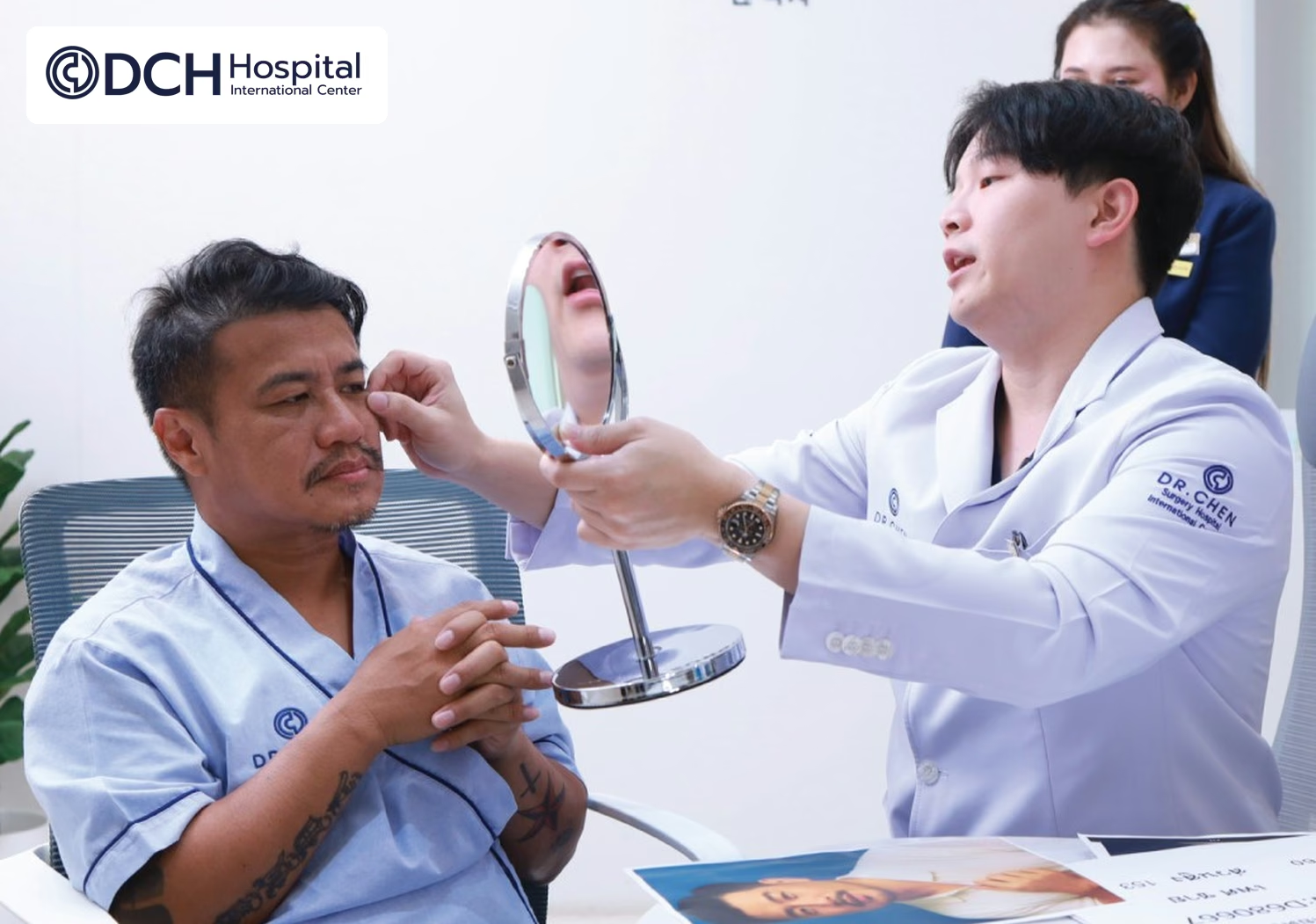
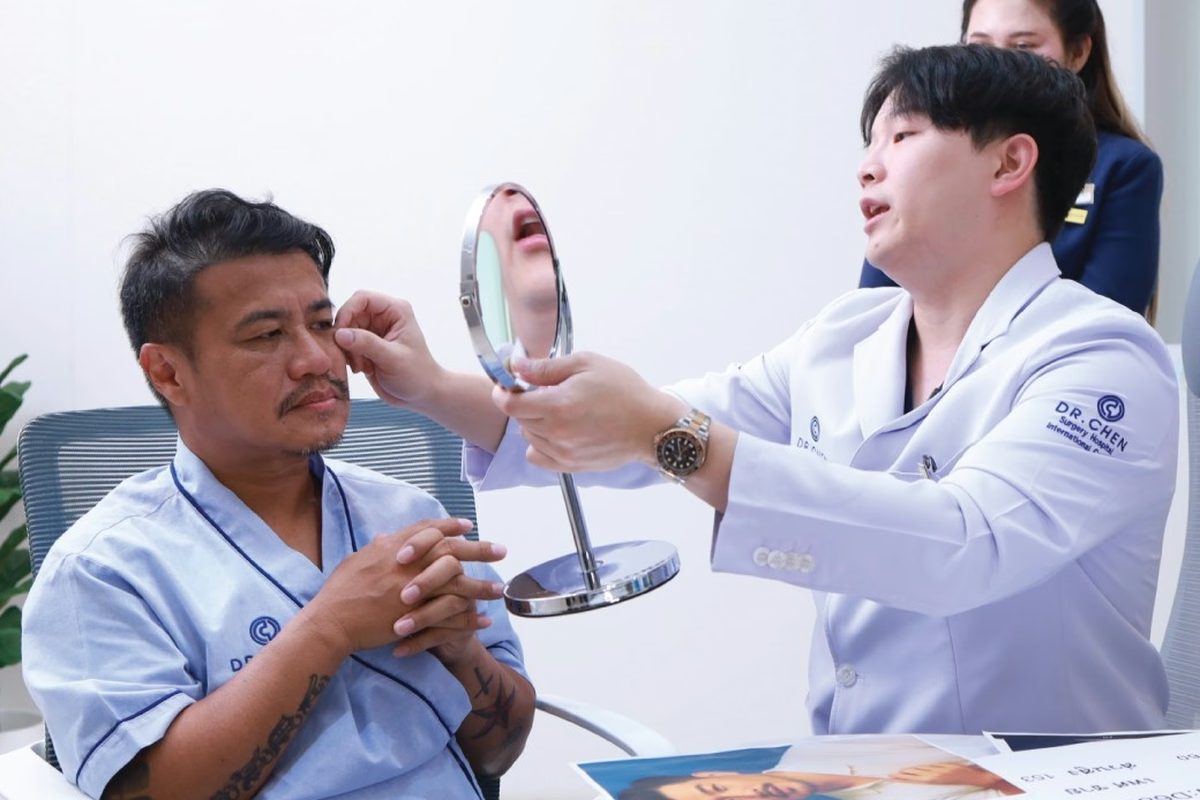
Your Surgeon Assesses Fat, Skin, Tear-Trough Depth And Eyelid Support. Discuss Your Main Concern, Natural Differences Between Your Eyes, And The Improvements And Limitations You Can Realistically Expect.
Your Treatment Plan
Review Your Health, Medicines, Supplements, Allergies And Smoking. Confirm Who Will Perform Surgery And Their Relevant Qualifications. Discuss Anaesthesia, Risks, Alternatives And Follow-Up Before Giving Consent.
Recovery And Everyday Care

The Early Days
Expect Swelling And Bruising, With Possible Tightness Or Irritation. Follow Your Team’s Instructions For Head Elevation, Gentle Cleaning, Compresses And Prescribed Eye Drops Or Ointment.
Returning To Routine
Avoid Rubbing Your Eyes. Follow Your Team’s Advice On Exercise, Swimming, Makeup And Contact Lenses. Resume Driving Only After The Advised Restriction Period, When Your Vision Is Clear And Medicines Do Not Affect Your Alertness.
Follow-Up Matters
Attend Wound Checks And Any Planned Suture Removal. Many People Plan Around Two Weeks Away From Work, But Swelling And Bruising May Last Longer. Your Return Depends On Your Job, Procedure And Individual Healing.
Scars And Longer-Term Results

Allow Time To Settle
Early Swelling Can Make The Two Sides Look Different. Review Healing With Your Surgeon Before Judging The Contour; Perfect Symmetry Cannot Be Promised.
Understand The Limits
An Incision Inside The Lower Eyelid Avoids An External Skin Scar, Unless A Separate Skin Incision Is Added. An Incision Below The Lashes Leaves A Scar That May Fade But Remain Visible. Ageing Continues, And Revision May Sometimes Be Considered.
Risks And When To Get Help

Possible Complications
Risks Include Bleeding, Infection, Scarring, Dry Eyes, Difficulty Closing The Eyes, Uneven Contours And Anaesthetic Reactions. Lower-Lid Retraction Or Outward Turning Can Occur. Rare Complications Include Permanent Vision Loss.
Contact Your Care Team
Contact Your Surgical Team Immediately For Increasing Redness, Discharge, Fever, Wound Opening Or Increasing Pain. If You Cannot Reach Them, Seek Urgent Medical Care. Keep Your Team’s Out-Of-Hours Contact Details Available.
Seek Emergency Care
New Or Worsening Vision Changes, Severe Eye Pain Or Rapidly Increasing Swelling Require Immediate Emergency Assessment. Go To The Nearest Emergency Department Without Delay. Do Not Wait For A Call Back Or An Online Reply From Your Surgical Team.
Costs And Planning Your Stay
Plan For The Procedure, Recovery Support And Follow-Up Together. A Written Quote And An Agreed Review Schedule Help You Prepare With Fewer Uncertainties.
An Itemised Quote

Your Surgical Plan
Technique, Anaesthesia And Any Additional Treatment Affect The Quote. Confirm The Operating Surgeon And The Proposed Scope Before Comparing Prices.
What Is Included
Ask Whether Surgeon, Anaesthesia And Facility Fees, Preoperative Tests, Medicines, Follow-Up Visits And Suture Removal Are Included. Request A Written Breakdown Of Included And Additional Charges.
Additional Care
Ask How Extra Appointments, Treatment For Complications Or Revision Surgery Would Be Charged. Confirm Which Follow-Up Services Are Included And For How Long.
Follow-Up In Bangkok

Appointments And Stay
Confirm With Your Surgeon How Long To Stay In Bangkok And When Follow-Up Visits Are Needed Before Booking Travel. Allow Flexibility If Healing Requires Further Assessment.
Help After Discharge
Arrange Transport And A Companion Where Advised. Choose Accommodation That Makes Returning For Review Practical, And Keep Contact Details Available.
Returning Home
Ask Your Surgeon When You Can Fly Home. Request A Treatment Summary And Written Aftercare Instructions. Confirm Your Follow-Up Plan And Where To Seek Local Medical Care If Problems Develop After You Leave Bangkok.
Your Care At DCH Hospital

Meet The Medical Team
Dr. Chen Chaicharncheep Is The Founder And A Physician At DCH Hospital. Before Surgery, Confirm Who Will Assess You And Perform Your Procedure. Ask About Their Qualifications And Experience In Lower Eyelid Surgery.
Know Your Care Plan
Ask About The Proposed Technique, Expected Benefits, Limitations And Support If A Complication Occurs. Request Written Aftercare Advice And Confirm Who Will Handle Your Reviews.