Chin Augmentation in Bangkok
Chin Augmentation Can Add Projection To A Recessed Chin And Improve Facial Proportions. At DCH Hospital In Bangkok, Planning Starts With Your Facial Structure, Bite, Medical History And Goals. A Consultation Helps You Understand Whether A Chin Implant May Suit You, Along With Alternative Treatments, Expected Changes, Recovery And Risks, So You Can Make An Informed Decision.
Understanding Your Chin Shape
Your Chin Shape Is Assessed From Both The Side And The Front. Projection, Width, Height And Symmetry Are Considered Alongside Your Other Facial Features. Understanding These Proportions Helps You Discuss Your Goals And The Changes A Chin Implant May Or May Not Achieve.
Your Side Profile
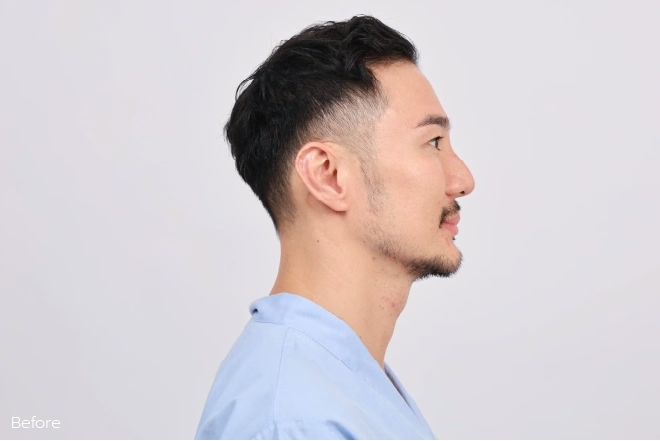
The Chin Is Assessed In Relation To The Lips, Nose And Neck. A Recessed Appearance Can Have Different Causes, So A Larger Implant Is Not Automatically The Right Answer. Discuss The Amount Of Change You Want And The Limits Of Your Soft Tissues.
Your Front View
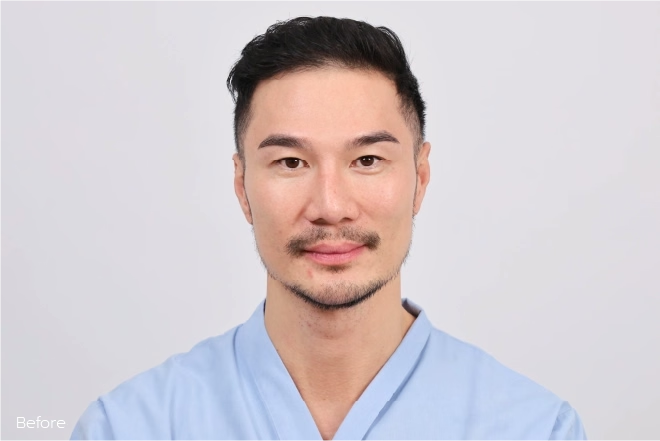
Chin Width, Height And Natural Asymmetry Matter As Much As Forward Projection. Your Surgeon Reviews Your Face At Rest And In Movement. The Aim Is A Proportionate Plan For Your Features, Without Promising Perfect Symmetry Or A Particular Face Shape.
A Chin Implant Does Not Correct How Your Teeth Meet Or Reposition The Whole Lower Jaw. Bite Problems, Marked Jaw Imbalance Or Difficulty Closing The Lips May Need Orthodontic Or Maxillofacial Assessment First.
Choosing A Suitable Treatment
The Main Difference Is What Changes: An Implant Adds Volume, Bone Surgery Repositions The Chin, And Filler Adds Injectable Volume. Suitability And Availability Require Individual Assessment.
Chin Implant
What Changes: An Implant Sits Over The Chin Bone To Increase Projection Or Adjust Contour. It Does Not Reposition The Jaw Or Correct The Bite.
Durability: Intended As A Lasting Change; Removal Or Replacement Requires Another Procedure.
Recovery And Limits: Surgical Wound Care And Activity Restrictions Are Needed. Tissue Coverage Limits Size; Infection, Displacement And Revision Are Possible.
Bone Genioplasty
What Changes: A Surgeon Cuts And Repositions A Segment Of Chin Bone To Change Its Position Or Selected Proportions. This Is Separate From Bite-Correcting Jaw Surgery.
Durability: Intended As A Lasting Structural Change, With The Bone Secured In Its New Position.
Recovery And Limits: Recovery Includes Bone Healing. Swelling, Altered Sensation And Hardware-Related Problems Are Among The Considerations.
Chin Filler
What Changes: Filler Adds Volume To Selected Areas Without Moving Bone Or Correcting The Bite. It Cannot Reproduce Every Surgical Change.
Durability: Temporary Fillers Need Reassessment And Possible Repeat Treatment To Maintain The Effect; Duration Depends On The Product.
Recovery And Limits: Swelling And Bruising Can Occur. Rare Vascular Complications Can Be Serious. Filler Is Not A Guaranteed Preview Of An Implant Result.
Planning Your Chin Implant
The Best Plan Depends On Your Anatomy And Goals, Rather Than A Standard Implant Size Or A Single Popular Shape.
Shape And Projection
Discuss Forward Projection, Width And How The Implant Edges Will Sit Under Your Tissues. Photographs And Measurements Support Planning. Digital Simulations Or Reference Photos Can Help Explain Goals, But Cannot Promise Your Final Appearance.
Material And Placement
Ask For The Proposed Implant’s Material, Manufacturer And Relevant Regulatory Status. Understand Why It Is Recommended, How It Will Be Positioned Or Secured, And What Could Require Removal Or Revision. Country Of Origin Alone Does Not Establish Suitability.
Where The Incision Is Made
The Incision Route Is Chosen As Part Of Your Surgical Plan. Neither Route Guarantees Faster Healing, Lower Risk Or A Scar-Free Result.
Inside The Mouth
An Incision In The Lower Lip–Gum Crease Can Provide Access For Implant Placement. It Avoids An External Skin Scar For That Access Route, But Still Creates A Healing Wound Inside The Mouth. Follow The Specific Diet And Mouth-Care Instructions.
Beneath The Chin
An Incision Under The Chin Provides Another Route For Placement. It Leaves A Skin Scar That May Fade But Can Remain Visible. The Surgeon Explains Why This Route May Suit Your Anatomy And How The Wound Should Be Cared For.
Your Chin Surgery Consultation

Structure And Goals
Discuss Your Main Concern And The Degree Of Change You Would Accept. Your Surgeon Assesses Chin Projection, Facial Proportions, Tissue Thickness, Sensation And Bite. Additional Imaging Or A Dental Review May Be Recommended.
Health And Previous Treatment
Bring A Complete Medicine And Supplement List. Report Medical Conditions, Allergies, Smoking Or Nicotine Use, Dental Problems And Any Previous Chin Fillers Or Surgery. Include Ongoing Pain, Numbness, Lumps, Infections Or Changes In Shape.
An Informed Decision
Confirm The Operating Surgeon, Relevant Qualifications, Proposed Technique And Anaesthetic. Review Benefits, Limitations, Alternatives, Personal Risks And Follow-Up Arrangements. Take Time To Ask Questions Before Giving Consent.
Previous Fillers Or Surgery
Bring Treatment Dates, Product Names, Injection Records Or Implant Details If Available, Along With Any Operation Reports And Earlier Photographs. Tell Your Surgeon If The Material Is Unknown Or A Previous Treatment Caused Problems. These Details Help Assess The Existing Contour And Plan Any Further Treatment.
Do Not Assume That Every Filler Can Be Dissolved Or That An Existing Implant Must Be Removed. The Material, Examination Findings And Your Goals Determine Whether Further Assessment, Treatment Or A Staged Plan Is Appropriate.
Preparing For Surgery
Medicines And Health
Only Change Prescribed Medicines, Including Blood Thinners, Under Specific Instructions From Your Treating Clinician. Report New Illness, Mouth Sores Or Dental Infection. Follow Individual Advice About Smoking, Nicotine And Supplements.
Practical Support
Arrange Transport And A Responsible Adult To Help As Advised After Anaesthesia. Prepare A Comfortable Resting Space And Any Recommended Foods. Keep Time Available For Reviews And A Gradual Return To Your Routine.
Before You Attend
Complete Requested Checks And Follow The Team’s Exact Fasting Instructions. Do Not Assume You Should Eat Before Surgery. Confirm Arrival Time, What To Bring, Oral Hygiene Advice And Whom To Contact If Your Health Changes.
What Happens On The Day
Review And Planning
The Team Rechecks Your Health And Consent. Your Surgeon Confirms The Intended Change, Implant And Incision Route. The Anaesthesia Team Explains The Agreed Anaesthetic And Monitoring Before The Procedure Begins.
Implant Placement
The Surgeon Creates The Planned Space, Positions The Implant And Uses The Agreed Method Of Stabilisation Before Closing The Incision. The Details And Duration Vary With Your Anatomy And Any Additional Procedure.
Before You Leave
Recovery Is Monitored Before Discharge. You Receive Instructions About Dressings, Food, Mouth Or Skin Care, Medicines, Warning Signs And Reviews. Same-Day Discharge Depends On Your Clinical Assessment And Support Arrangements.
Recovery And Everyday Care

The Early Days
Swelling, Bruising, Tightness And Altered Sensation Can Occur. Follow Instructions For Rest, Head Position, Dressings And Prescribed Medicines. Do Not Press, Massage Or Try To Adjust The Implant Unless Your Surgeon Specifically Advises It.
Eating And Mouth Care
Your Diet And Cleaning Advice Depend On The Incision And Healing. An Incision Inside The Mouth May Require Liquids Or Soft Foods And A Prescribed Rinse. Ask When Normal Chewing And Dental Treatment Can Safely Resume.
Returning To Routine
Arrange Time Away From Work Based On Your Job And Procedure. Swelling Can Continue To Settle Over Several Weeks Or Longer. Obtain Clearance For Exercise And Contact Sports; Drive Only When Comfortable And Unaffected By Sedating Medicines.
Scars And Longer-Term Results
Allow Time To Settle
Early Swelling Can Make The Chin Look Larger Or Uneven. Attend Reviews Before Judging The Final Contour. Skin Scars Can Soften Over Time, But No Incision Route Guarantees Invisible Scarring Or An Exactly Symmetrical Result.
Understand The Limits
An Implant Is Intended To Provide A Lasting Change, But Is Not A Lifetime Guarantee. Ageing, Tissue Changes, Infection, Displacement Or Dissatisfaction May Lead To Further Treatment. Removal Or Revision Is Another Operation With Its Own Risks.
Reading Before-And-After Photos
Compare Front, Side And Angled Views With Similar Lighting, Camera Distance, Head Position And Facial Expression. Check How Long After Surgery The Photos Were Taken And Whether Other Procedures Were Performed. Early Swelling, A Different Pose Or A Combined Treatment Can Change The Apparent Result.
Discuss Documented Cases With A Starting Chin Shape Similar To Yours. Photographs Help Explain Possible Changes, But Another Person’s Result Cannot Predict Your Own. Simulations Are Planning Aids, Not Evidence Of An Achieved Surgical Outcome.
Risks And When To Get Help

Possible Complications
Risks Include Bleeding, Infection, Poor Wound Healing, Scarring, Asymmetry, Implant Displacement, Persistent Pain And Temporary Or Lasting Sensation Changes. Scar Tissue Can Tighten Around An Implant, And Pressure May Cause Changes In The Underlying Bone. Anaesthetic And General Surgical Risks Also Apply; Revision Or Removal May Be Needed.
Contact Your Care Team
Seek Prompt Advice For Increasing Redness, Fever, Discharge, A Wound Opening Or Pain That Worsens Rather Than Improves. Report New Implant Movement Or A Sudden Change In Shape. If Your Team Is Unavailable, Seek Urgent Medical Care.
Seek Emergency Care
Difficulty Breathing Or Swallowing, Rapidly Expanding Swelling Or Uncontrolled Bleeding Need Immediate Emergency Assessment. Go To The Nearest Emergency Department Without Delay. Do Not Wait For A Call Back Or An Online Reply.
Costs And Planning Your Stay
Plan For The Procedure, Recovery Support And Follow-Up Together. Your Quote And Review Schedule Should Reflect Your Individual Surgical Plan.

An Itemised Quote
Request A Written Quote After Assessment. Confirm The Implant, Surgeon And Facility Fees, Anaesthesia, Medicines And Follow-Up. Ask How Additional Procedures, Unplanned Care Or Revision Would Be Charged Before Comparing Prices.
Follow-Up In Bangkok
Agree How Long To Stay And When Wound Checks Or Suture Removal Are Needed Before Booking Travel. Arrange Suitable Accommodation, Transport And Support. Keep Your Schedule Flexible If Healing Requires Further Assessment.
Returning Home
Ask For Individual Clearance To Fly. Obtain Written Aftercare Advice, The Implant Details And A Plan For Further Reviews. Confirm How To Reach The Team After Hours And Access Local Care If A Concern Develops After Leaving Bangkok.
Your Care At DCH Hospital

Meet The Medical Team
Dr. Chen Chaicharncheep Is DCH Hospital’s Founder And A Physician. Confirm Who Will Assess You And Perform Your Chin Surgery, Including Their Relevant Qualifications And Experience With The Proposed Procedure.
Know Your Care Plan
Ask About Your Expected Benefits, Limitations And Personal Risks. Confirm Who Handles Follow-Up And How A Complication Would Be Managed. A Clear Written Plan Helps You Prepare For Treatment And Recovery.
Chin Augmentation FAQs
Chin Augmentation Changes The Size Or Projection Of The Chin. An Implant Adds Volume Over The Bone, While Bone Genioplasty Repositions Part Of The Chin Bone. An Assessment Determines Which Approach, If Any, Fits Your Needs.
Adults Whose Facial Growth Is Complete May Be Candidates If They Have A Recessed Chin, Suitable Facial Structure, An Appropriate Bite And Realistic Expectations. Your Health, Tissue Coverage And Previous Treatments Must Also Be Reviewed.
No. A Chin Implant Does Not Move The Teeth Or Correct Jaw Alignment. Bite Problems May Need Orthodontic Or Maxillofacial Assessment, Even When The Chin Also Appears Recessed.
An Implant Adds Material Over The Chin Bone. Bone Genioplasty Moves A Segment Of Your Own Chin Bone And Can Address Different Positional Changes. The Procedures Have Different Indications, Risks And Recovery Needs.
Filler May Temporarily Improve Selected Contours, But It Does Not Move Bone Or Correct The Bite. Suitability, Repeat Treatments And Injection Risks Need Separate Discussion. It Is Not A Guaranteed Preview Of An Implant Result.
Previous Filler Does Not Automatically Rule Out An Implant, But The Material, Timing And Any Complications Need Assessment. Bring Product Names, Injection Dates And Treatment Records If Available. Some Fillers Are Difficult Or Impossible To Remove. Your Surgeon Should Explain Whether Further Assessment Or A Staged Plan Is Needed Before Surgery.
There Is No Universal Best Implant. Projection, Width, Tissue Coverage And Your Goals Guide Selection. Ask About The Specific Material, Manufacturer, Regulatory Status And Reasons For The Recommendation.
An Incision Inside The Mouth Avoids A Skin Scar For That Route, But Still Requires Wound Healing. An Incision Beneath The Chin Leaves A Skin Scar That May Fade. No Technique Guarantees A Scar-Free Result.
The Anaesthetic Depends On Your Health, The Surgical Plan And Whether Other Procedures Are Included. Your Team Should Explain The Proposed Option, Its Risks And Exact Fasting Instructions.
Recovery Varies. Swelling Can Continue To Settle Over Several Weeks Or Longer, While Work And Activity Restrictions Depend On The Procedure And Your Job. Use Your Surgeon’s Advice Rather Than A Fixed Online Timeline.
Follow Your Team’s Diet Instructions. An Incision Inside The Mouth May Require Liquids Or Soft Foods Initially, Along With Specific Mouth Care. Ask When You Can Resume Normal Chewing And Dental Treatment.
Displacement Is A Recognised Risk Even When An Implant Is Secured. Protect The Chin From Pressure Or Trauma And Follow Activity Restrictions. Do Not Press, Massage Or Try To Reposition It Yourself. Contact Your Surgical Team Promptly If You Notice New Movement, Increasing Pain Or A Sudden Change In Shape.
Implants Are Intended To Create A Lasting Change, But Future Treatment May Be Needed. Ageing, Tissue Changes, Infection, Displacement Or Dissatisfaction Can Affect The Result. Removal Or Revision Carries Additional Risks.
Difficulty Breathing Or Swallowing, Rapidly Expanding Swelling Or Uncontrolled Bleeding Need Immediate Emergency Assessment. Go To The Nearest Emergency Department Without Waiting For An Online Reply Or A Call Back.
Request A Personal Written Quote After Consultation. Confirm The Implant, Surgical And Anaesthetic Fees, Medicines, Reviews And Possible Charges For Unplanned Care. A Single Price Does Not Describe Every Treatment Plan.
Arrange Travel Around Your Required Reviews And Obtain Individual Clearance To Fly. Keep Plans Flexible If Healing Is Delayed. Confirm After-Hours Contact Details And How To Obtain Care After Returning Home.
Contact DCH Hospital To Arrange An Assessment. Bring Your Medicine List, Details Of Previous Chin Treatment And Any Relevant Dental Records. Prepare Questions About Your Goals, The Surgeon, Alternatives, Recovery And Follow-Up.
Related Articles
Continue with practical guidance about procedures, recovery and planning at DCH Hospital.
Patient GuideChin Augmentation RecoveryChin augmentation recovery depends on what was changed and how the surgeon reached the area. An implant placed over the chin bone and a procedure that moves the bone can…
Patient GuideJaw Contouring Surgery GuideJaw contouring surgery is a broad term. It may describe reducing a prominent bony angle, adding definition or changing another feature of the lower face. The right…
Patient GuideNose Surgery RecoveryNose surgery recovery is gradual. Swelling and bruising are usually most noticeable early on, while the shape continues to…