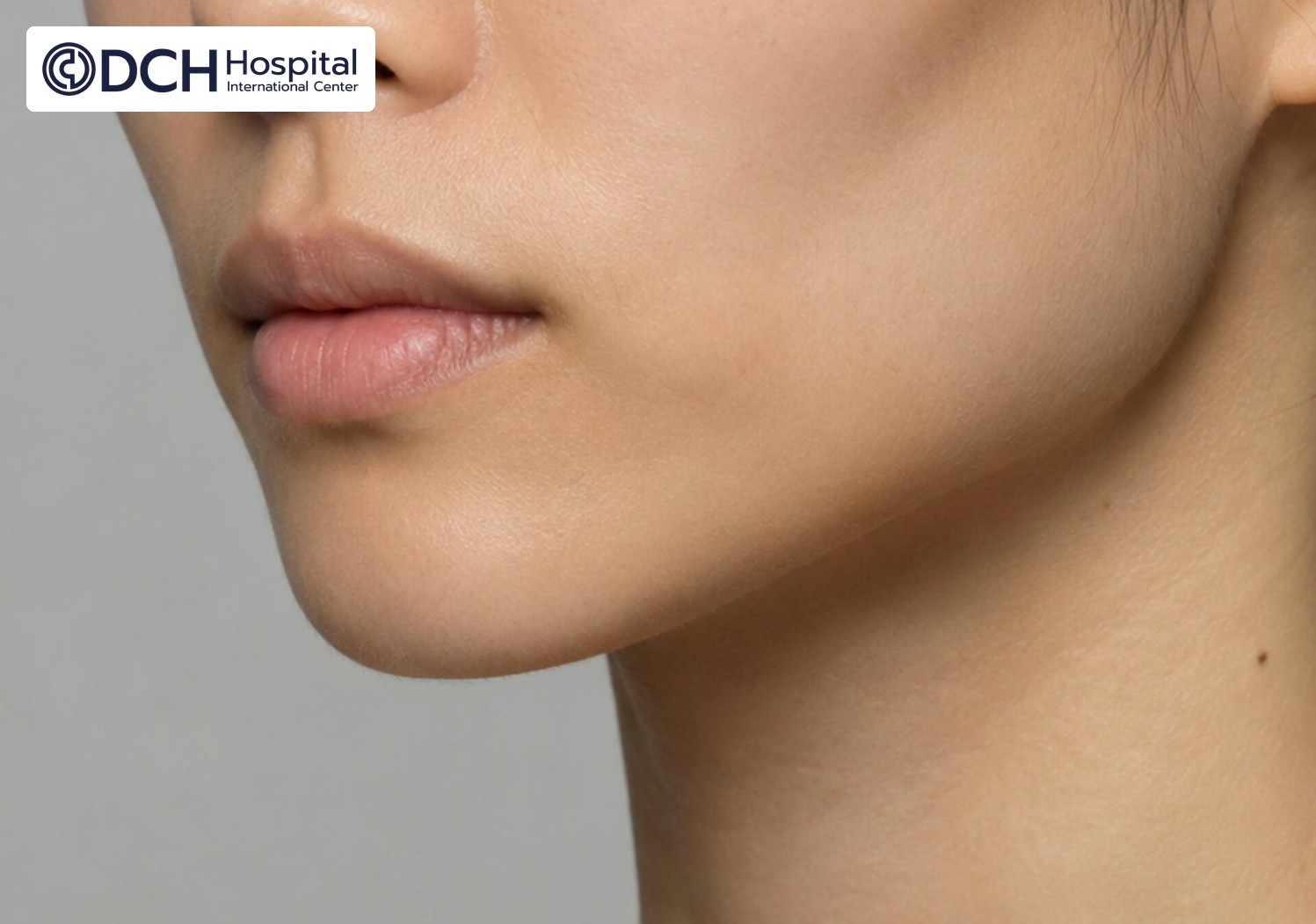
Facial Contouring Surgery in Bangkok
Facial Bone Contouring Surgery Reshapes Or Repositions Parts Of The Cheekbones, Lower Jaw Or Chin To Change Facial Width, Prominence And Proportions. At DCH Hospital In Bangkok, An In-Person Assessment Helps Determine Whether Bone Surgery Is Appropriate For Your Concerns. Explore The Options, Planning, Recovery And Risks Before Deciding Whether To Proceed.
Areas Of Facial Contouring
The Procedures Below Target Different Parts Of The Facial Skeleton. Your Treatment Plan May Involve One Area Or A Combination, Based On Your Anatomy And Goals.

Cheekbone Reduction
Cheekbone Reduction Reshapes Or Repositions Parts Of The Cheekbone And Its Arch To Reduce Bony Prominence. The Approach Depends On Your Facial Structure And Soft-Tissue Support. Planning Should Consider The Risks Of Cheek Sagging, Asymmetry And Problems With Bone Healing.

Jaw Contouring
Jaw Contouring Reshapes The Lower-Jaw Angles Or Reduces Selected Areas Of Bone To Address Bony Width. Muscle, Fat And Skin Also Influence The Lower-Face Outline, So Bone Surgery Alone May Not Address Every Concern. Planning Must Account For Bone Thickness And Nerve Position. This Procedure Does Not Correct Bite Problems.
Chin Surgery
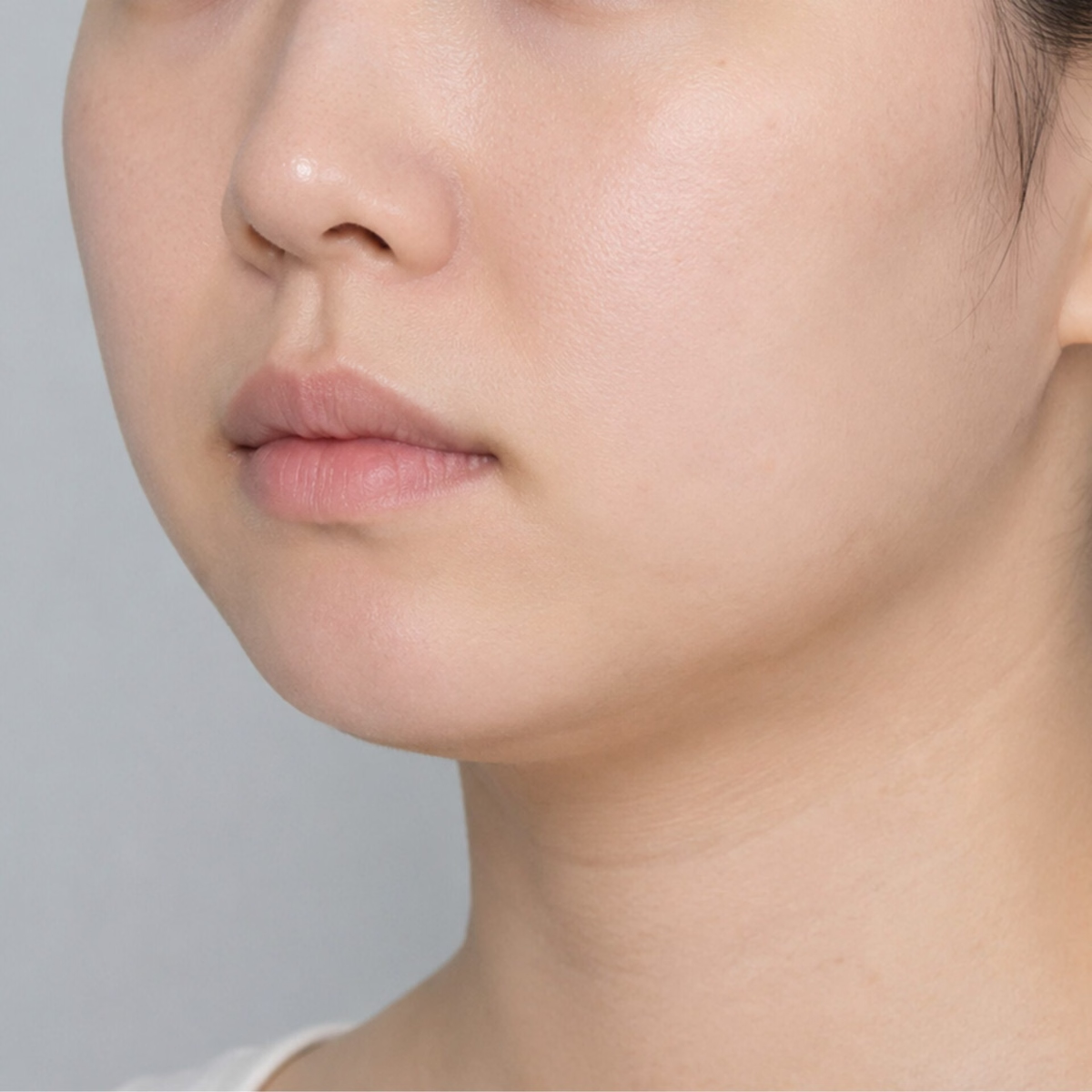
Chin Surgery Can Adjust Chin Projection, Height Or Symmetry. Bony Genioplasty Repositions Your Own Chin Bone, While A Chin Implant Adds Volume Without Moving The Bone. These Approaches Have Different Limitations And Risks, And Suitability Depends On Your Anatomy And Goals. Chin Surgery Alone Does Not Correct Bite Problems.
V-Line And Combined Surgery
V-Line Refers To A Tapered Lower-Face Shape, Rather Than A Single Surgical Technique. It May Involve Jaw Contouring, Chin Reshaping Or Both. Cheekbone Reduction Is Assessed Separately. Discuss Whether Combined Procedures Or Separate Operations Would Be Appropriate For You.
Is Bone Contouring Suitable?
Your Facial Structure
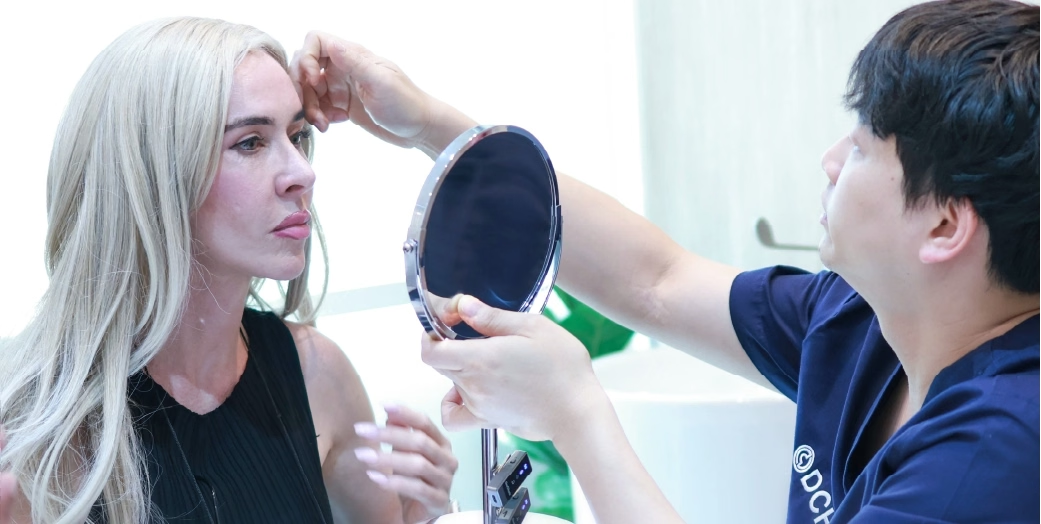
Your Surgeon Assesses Whether Facial Growth Is Complete, Along With Your Facial Proportions, Bite And Existing Asymmetry. Examination Helps Identify Whether Your Concern Comes From Bone, Muscle, Fat Or Loose Skin. Explain What You Would Like To Change In Front, Three-Quarter And Side Views; Photographs Support The Discussion But Do Not Replace An In-Person Assessment.
Your Health And Goals
Your Health, Medicines, Nicotine Use And Previous Facial Or Dental Treatments Can Affect Suitability And Healing. Scarring Or Altered Sensation May Also Affect Planning. Agree On Specific, Realistic Goals With Your Surgeon. Surgery May Need To Be Delayed While Health Or Psychological Concerns Are Addressed; A Smaller Procedure Or No Surgery May Be More Appropriate.
Expected Changes
Surgery Cannot Reproduce Another Person's Face Or Guarantee Perfect Symmetry. Agree Which Changes Are Realistic And Which Features Are Likely To Remain. The Final Outline Also Depends On The Overlying Muscle, Fat And Skin.
Skin And Facial Balance
Skin Elasticity And Soft-Tissue Support Affect How The Face Adapts After Bone Surgery. Reducing Bone Does Not Directly Tighten Loose Skin, So Existing Laxity Should Be Assessed Before Treatment. Ageing And Weight Changes Can Continue To Alter Facial Appearance After Healing.
CT Imaging And Surgical Planning
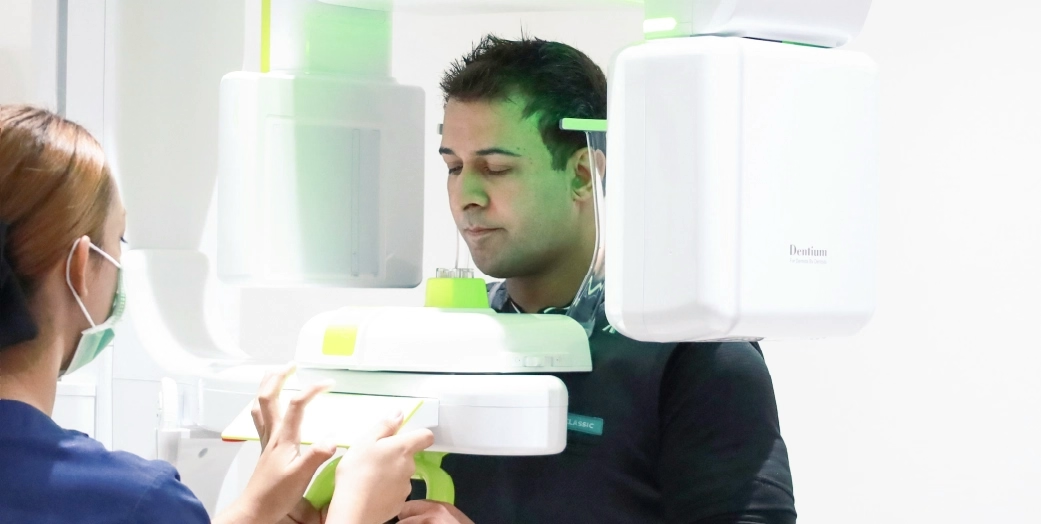
CT Or Cone-Beam CT May Help Your Surgeon Assess Facial Bones And Plan Treatment When Clinically Indicated. The Type And Extent Of Imaging Depend On Your Examination And The Proposed Procedure.
Before Your Scan
Bring Existing Scans And Reports So The Team Can Decide Whether New Imaging Is Needed. Ask Why The Scan Is Recommended And Discuss Its Benefits And Radiation Exposure. Tell The Team If You Are Pregnant Or Could Be Pregnant.
What Imaging Shows
CT Images Help Assess Bone Shape, Thickness, Asymmetry, Tooth Roots And Nearby Nerve Canals. These Details Guide Planning Beyond What Photographs Show. Scans Complement An In-Person Examination Of Your Bite And Soft Tissues; They Do Not Replace It.
Your Surgical Plan
If Imaging Is Used, Ask How The Findings Influence The Planned Bone Changes And Any Need For Plates Or Screws. Digital Simulations Can Help Explain The Plan, But Healing And Soft Tissues Affect Results. Imaging Cannot Eliminate Nerve-Injury Risk, And Simulations Cannot Guarantee Symmetry Or Appearance.
Contouring Or Bite Correction?
Facial Bone Shape And The Way Your Teeth Meet Need Separate Assessment. Understanding Whether Your Concern Involves Facial Contour, Tooth Position Or Jaw Alignment Helps Guide The Treatment Plan.
| What To Compare | Facial Contouring | Bite Correction |
|---|---|---|
| Treatment Focus | Reshapes Selected Areas Of The Cheekbones, Jaw Angles Or Chin To Change Facial Shape And Proportions. | Bite Problems May Involve Tooth Position, Jaw Alignment Or Both. Treatment May Use Orthodontics Alone Or Combine It With Jaw Surgery, Depending On The Underlying Cause. |
| Bite And Function | Contouring, Including Isolated Chin Surgery, Changes Facial Shape But Does Not Correct How The Upper And Lower Teeth Meet. | Treatment Aims To Improve How The Teeth Meet And Function. When Jaw Surgery Is Indicated, It Repositions The Upper Jaw, Lower Jaw Or Both; Facial Appearance May Also Change. |
| Your Assessment | Your Surgeon Evaluates Bone Shape, Soft Tissues, Your Bite And Your Goals. A Recessed Chin Does Not Necessarily Mean The Whole Lower Jaw Is Set Back. | An Orthodontist Assesses Your Bite And Involves An Oral And Maxillofacial Surgeon If Needed. Chewing Difficulty, An Open Bite Or An Underbite Warrants Assessment, But Does Not Automatically Mean Surgery Is Needed. |
Before You Decide
If Your Concern Mainly Involves Muscle, Fat Or Loose Skin, Ask Whether A Different Treatment Is More Appropriate. Fillers And Facial Implants Change Contour Rather Than Correcting The Bite. Compare The Options With Your Clinician, Including Delaying Or Declining Treatment. You Can Seek A Second Clinical Opinion.
Explore Chin Augmentation For More On Chin Projection And Profile Options.
Preparing For Surgery
Before Facial Contouring Surgery, Discuss Your Medical History And Current Medicines With Your Surgical Team. Confirm Your Fasting Instructions, Transport After Discharge And Support During Recovery.
Your Health Review
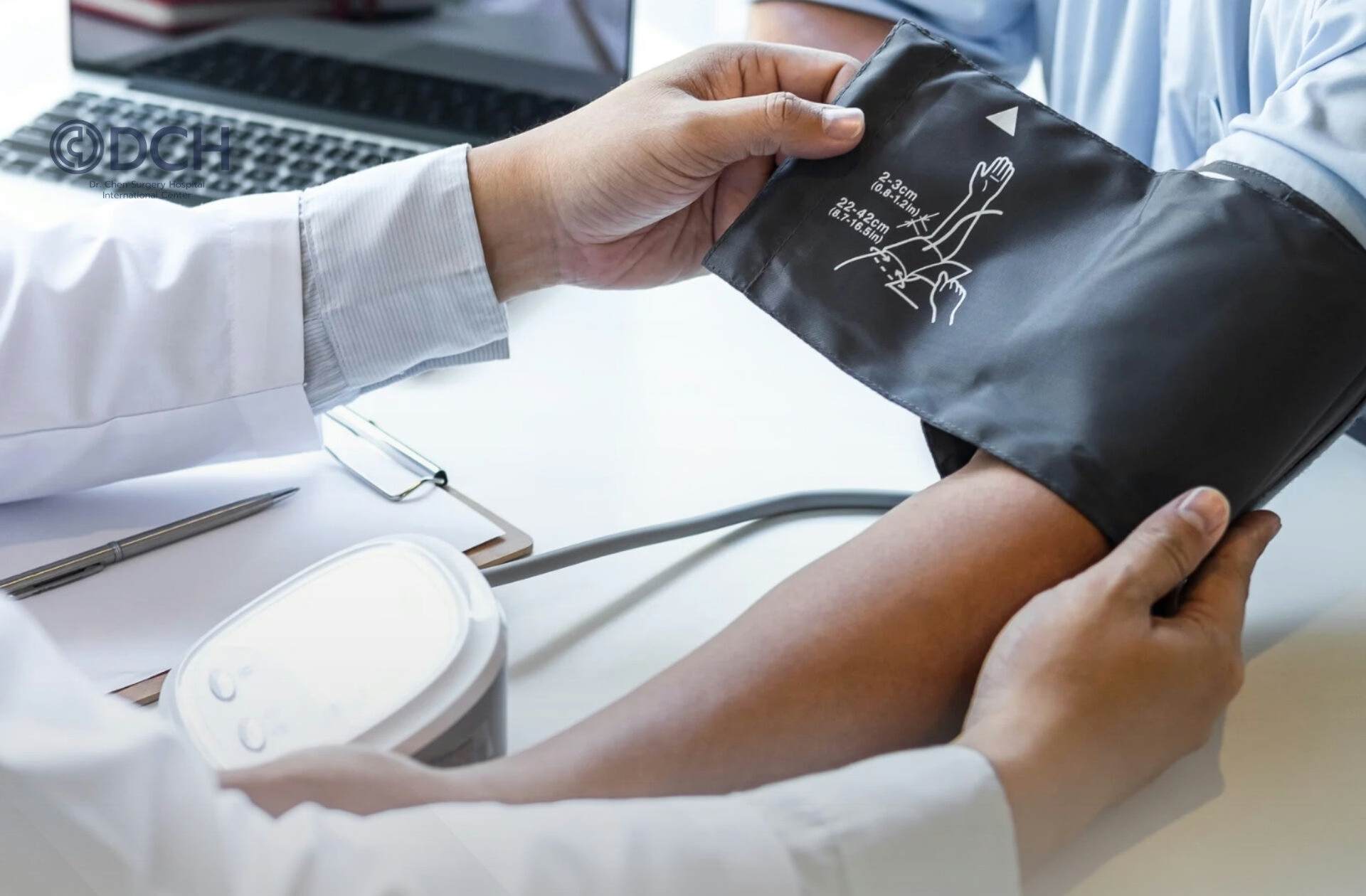
Bring Relevant Medical And Dental Records And A Complete List Of Your Prescription Medicines, Over-The-Counter Medicines, Vitamins And Supplements, Including Doses. Tell The Team About Your Medical Conditions, Allergies And Previous Operations Or Facial Treatments, Including Fillers And Implants. Report Any Dental Problems, Existing Numbness Or Changes In Facial Sensation, Heavy Snoring Or Sleep Apnoea, And Alcohol Or Recreational Drug Use. Mention Any Previous Problems With Anaesthesia Or Serious Anaesthetic Reactions In Your Family. Your Team Will Assess Whether Any Tests Or Dental Treatment Are Needed Before Surgery.
Medicines And Fasting
Ask Your Surgical Team For Written Instructions On Which Medicines And Supplements To Continue, Adjust Or Pause. Do Not Stop Or Change Prescribed Medicines Without Medical Advice. Follow The Anaesthetic Team's Instructions On When To Stop Eating And Drinking. Discuss Smoking, Vaping And Other Nicotine Use, Including When To Stop And What Support Is Available. If You Become Unwell Or Your Health Changes Before Surgery, Contact The Team Before Attending.
Plan Your Recovery
Plan Time Off Work And Arrange For A Responsible Adult To Take You Home Or Back To Your Accommodation And Help After Discharge. Do Not Drive Yourself Home After Anaesthesia. Before Admission, Confirm Any Planned Hospital Stay, Follow-Up Visits And How To Contact Your Team For Urgent Advice. Prepare Food And Oral-Care Supplies As Instructed.
Your Treatment Journey


Your Consultation
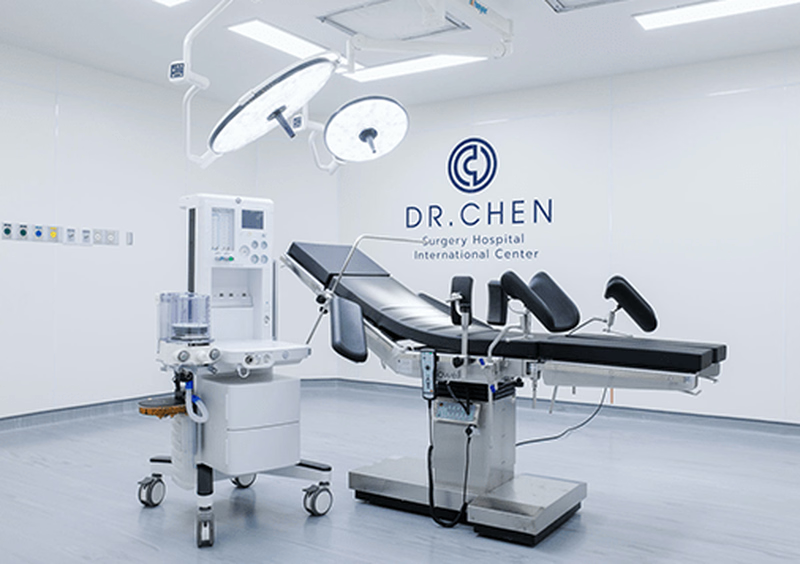
At Consultation, Your Surgeon Explains The Recommended Procedure And Why It May Suit Your Concerns. Review The Expected Changes, Limitations, Alternatives, Risks And Recovery Before Giving Consent. Ask Questions And Take Time To Decide Whether To Proceed.
Your Surgery
Facial Bone Contouring Is Usually Performed Under General Anaesthesia. Depending On Your Surgical Plan, The Surgeon Reshapes Or Repositions Selected Areas Of The Cheekbones, Jaw Angles Or Chin. Incisions Are Often Inside The Mouth, Although Additional Skin Incisions May Be Needed. Plates Or Screws May Be Used To Secure Repositioned Bone. Your Surgeon Will Explain The Technique And Incision Sites Planned For You.
Before Discharge
After Surgery, The Team Monitors Your Breathing, Bleeding, Pain And Recovery From Anaesthesia. Your Team Will Confirm When You Are Ready To Leave Hospital Based On Your Recovery And The Procedure Performed. Before Leaving, Ask Your Care Team To Explain Your Written Instructions On Medicines, Eating, Oral And Wound Care, Activity And Follow-Up Visits. Confirm Which Symptoms Need Urgent Attention And How To Contact Your Care Team.
Recovery And Aftercare
Recovery After Facial Contouring Depends On The Areas Treated, The Surgical Technique And Your Health. Follow Your Individual Care Plan: Feeling Better, Returning To Activities And Completing Bone Healing Happen At Different Stages.
Comfort And Early Recovery
Swelling, Bruising, Tightness, Limited Mouth Opening And Altered Sensation Can Occur After Surgery. Take Medicines As Prescribed, And Follow Advice On Head Position, Wound Care, Rest, Gentle Movement And Hydration. Contact Your Team If Symptoms Worsen Or Are Difficult To Manage. Avoid Massage Or Pressure On Operated Areas Unless Your Surgeon Approves.
Eating And Oral Care
Your Surgeon Will Advise Which Foods You Can Eat And How Long To Limit Chewing, Based On The Bone Work And Incisions. Follow The Instructions For Toothbrushing And Any Prescribed Mouth Rinse. Advice For Chin Surgery Alone May Differ From Combined Jaw And Cheekbone Surgery. Contact Your Care Team If You Cannot Drink Enough, Take Your Medicines Or Manage The Recommended Food; Do Not Advance To Hard Foods Without Clearance.
Work And Daily Activities
Plan Your Return To Work Around Your Procedure, Job Demands, Discomfort And Any Medicines That Affect Alertness. Being Ready For Desk Work Does Not Mean You Are Ready For Heavy Lifting, Strenuous Exercise Or Contact Sports. Ask For Separate Advice About Driving, Exercise And Travel, And Resume Each Activity When Your Care Team Advises.
Healing And Follow-Up
Swelling May Settle Over Weeks, While Residual Swelling Or Altered Sensation Can Last Longer. Early Photos Do Not Show The Final Contour. Follow-Up Reviews Assess Wounds, Mouth Opening, Sensation And Bone Healing, With Imaging If Needed. Report Persistent Numbness, Asymmetry Or Other Concerns; Further Care Depends On The Cause And Healing Stage. Bone Changes Are Intended To Last, But Ageing And Weight Changes Still Affect Soft Tissues.
Risks And Important Limitations
Risks Depend On The Procedure, Areas Treated And Your Health. Ask Your Surgeon About Your Specific Risks, How They Can Be Reduced And How Complications Would Be Managed.
General Surgical Risks
Bleeding, Infection, Anaesthetic Complications, Delayed Wound Healing And Persistent Pain Can Occur. Some Complications Require Urgent Treatment, Readmission Or Another Operation. Discuss How Your Health, Medicines, Smoking And Any Combined Procedures May Affect Your Personal Risk.
Sensation And Function
Lower Jaw Or Chin Surgery Can Affect Sensation In The Lower Lip And Chin. Numbness Or Tingling May Be Temporary Or Permanent. Depending On The Procedure, Other Risks Include Tooth Injury, Changes In How Your Teeth Meet, Persistent Difficulty Opening Your Mouth Or Facial Weakness. Report Existing Sensory Changes Before Surgery.
Bone Healing And Fixation
Unintended Fractures Can Occur. Where Bone Is Cut And Repositioned, Healing May Be Delayed Or The Bone May Fail To Unite. Problems With Bone Position Or The Plates And Screws Used To Hold It In Place May Need Further Treatment. Plates And Screws Can Usually Remain If They Cause No Problems; Infection May Require Their Removal.
Contour And Soft Tissues
Uneven Contours, Asymmetry And Soft-Tissue Sagging Can Occur, Particularly After Cheekbone Reduction. Bone Surgery Does Not Guarantee Tighter Skin Or Perfect Symmetry. Whether Revision Surgery Is Appropriate Depends On The Cause Of The Concern, Healing Stage And Your Surgeon's Assessment.
When To Seek Help
Seek Emergency Care
Seek Emergency Care Immediately For Breathing Difficulty, Rapidly Increasing Face Or Neck Swelling, Or Heavy Or Uncontrolled Bleeding. Call Local Emergency Services Or Go To The Nearest Emergency Department. Do Not Wait For A Message Reply Or Your Next Appointment.
Contact Your Surgical Team
Contact Your Surgical Team Promptly For Fever, Worsening Pain, Pus Or Unusual Wound Discharge, Increasing Redness, Or A New Change In How Your Teeth Meet. Use The Contact Details Provided At Discharge. If You Cannot Reach The Team And Need Urgent Advice, Seek Local Medical Care. For Severe Or Rapidly Worsening Symptoms, Seek Emergency Care Immediately.
Cost And Your Stay In Bangkok
Your Written Quotation
Facial Contouring Costs Depend On The Procedures Planned, The Areas Treated And Your Care Needs. Request An Itemised Written Quotation After Assessment. Before Paying A Deposit, Confirm The Total, What Is Included Or Excluded, And The Payment, Rescheduling, Cancellation And Refund Terms.
Confirm What Is Included
Check Whether Your Quotation Covers Surgeon, Anaesthetist And Hospital Fees, Scans, Tests, Medicines And Any Required Plates Or Screws. Confirm The Included Hospital Nights And Follow-Up Visits. Ask Which Aftercare Services Are Included, For How Long, And Which Services Cost Extra.
Additional Costs
Allow For Accommodation, Transport, Help During Recovery, Longer Stays And Flight Changes. Ask How Treatment For Complications Or Further Surgery Would Be Charged. Standard Travel Insurance May Exclude Planned Cosmetic Surgery And Related Complications; Tell Your Insurer About Your Treatment And Confirm Any Cover For Complications And Emergency Transport Home In Writing Before Travelling.
Your Travel Plan
Confirm Your Appointments And Recommended Stay Before Booking Travel; Dates May Change After Assessment Or During Recovery. Arrange Suitable Accommodation, Transport To Follow-Up Visits And Someone To Help During Early Recovery. Keep Travel And Accommodation Bookings Flexible Where Possible.
Before Flying
Ask Your Treating Team When You Are Fit To Fly Based On Your Procedure, Recovery And Individual Risks. Confirm Any Medical Documents Required By Your Airline Before Travel.
Follow-Up At Home
Before Leaving Bangkok, Obtain A Treatment Summary, Operation Details, Medicine List And Written Aftercare Instructions. Agree Your Follow-Up Schedule And How Care Will Continue At Home. Confirm How To Contact Your Surgical Team After Hours And Where To Seek Local Care If Problems Develop.
Your Consultation At DCH Hospital

Saphan Sung, Bangkok 10240, Thailand
Your Surgeon
Confirm The Name And Relevant Qualifications Of The Surgeon Who Would Perform Your Procedure. Use Your Consultation To Clarify Any Questions You Still Have After Reviewing The Treatment Options.
Plan Your Visit
Contact DCH Hospital To Confirm Consultation Availability, Fees And Language Support. Booking A Consultation Does Not Commit You To Surgery.
Frequently Asked Questions
It Is Surgery That Reshapes Selected Facial Bones, Commonly The Cheekbones, Jaw Angles Or Chin. The Appropriate Procedure Depends On The Structure Causing The Concern And An In-Person Assessment.
No. Cheekbone, Jaw And Chin Procedures Can Be Considered Separately Or Together. Combining Them Increases The Extent Of Surgery; The Decision Should Follow Your Anatomy, Health And Goals.
V-Line Describes A Tapered Lower-Face Shape, Not One Standard Operation. It May Involve Jaw Contouring, Chin Surgery Or Both. Ask Which Technique And Changes Are Appropriate For Your Anatomy.
No. Cosmetic Bone Contouring Does Not Correct How Your Teeth Meet. Bite Problems Need Dental Assessment And May Require Orthodontics, Sometimes Combined With Corrective Jaw Surgery.
Bony Genioplasty Moves Or Reshapes Your Own Chin Bone; An Implant Adds Projection Or Volume Without Moving It. Each Has Different Risks And Limitations. Neither Approach Alone Corrects Bite Problems.
Not Always. The Need For CT Or Cone-Beam CT Depends On Your Examination And Planned Procedure. Ask What Information The Scan Would Add And Bring Previous Scans For Review.
Many Bone-Contouring Incisions Are Inside The Mouth, But Some Techniques Need Additional Skin Incisions. Ask Where Your Incisions Would Be And What Scarring Is Possible.
Yes. Numbness May Improve During Recovery Or Persist Permanently. Lower-Jaw Or Chin Surgery Can Affect The Lower Lip And Chin. Discuss Your Individual Risk And Report Existing Sensory Changes Before Surgery.
The Contour Becomes Clearer As Swelling Settles Over Weeks And Months. Timing Depends On The Procedure And Healing; Early Photos Are Not The Final Result. Your Surgeon Will Advise When To Assess Progress.
Follow Your Team’s Diet And Activity Plan, Based On The Bone Work, Fixation And Healing. Obtain Separate Advice On Normal Chewing, Strenuous Exercise And Contact Sports. Feeling Better Does Not Mean The Bones Have Fully Healed.
There Is No Single Price For Every Case. Request An Itemised Quotation After Assessment, With Inclusions, Exclusions And Follow-Up Clearly Stated. Confirm Charges For Extra Hospital Nights, Complications Or Further Treatment.
Allow Time For Assessment, Surgery, Early Recovery And Follow-Up. The Required Stay Depends On Your Procedure And Healing. Hospital Discharge Does Not Mean You Are Fit To Fly; Confirm Travel Timing With Your Treating Team.
Repositioned Bone May Need Plates Or Screws; Bone Shaving Alone May Not. Metal Fixation Often Remains Unless It Causes Problems. Ask Which Fixation Is Planned And When Removal Might Be Needed.
No. Bone Contouring Does Not Directly Tighten Skin, And Sagging Can Occur As Tissues Adapt To Changed Support. Skin Quality And Soft-Tissue Volume Must Be Considered Before Bone Reduction.
Tell The Surgeon The Type, Location And Timing Of All Previous Facial Treatments, Including Any Implant, Filler Or Bone Surgery. Bring Records When Available. Further Assessment Determines Whether Prior Treatment Affects The Plan; Removal Or Additional Procedures Are Not Automatic.
Contact Your Surgical Team About Concerns With Your Appearance Or Recovery; Swelling Can Affect Early Results, But Worsening Symptoms Need Assessment. Seek Emergency Care Immediately For Breathing Difficulty, Rapidly Increasing Face Or Neck Swelling, Or Heavy Or Uncontrolled Bleeding. Do Not Wait For A Message Reply. Contact Your Team Promptly For Fever, Worsening Pain Or Unusual Wound Discharge.
Related Articles
Explore These Guides To Jaw Contouring And Chin Surgery Planning.