Liposuction in Bangkok
Liposuction Removes Localised Fat Deposits Beneath The Skin To Refine Body Contour. It Is Not A Weight-Loss Treatment. At DCH Hospital In Bangkok, Your Consultation Focuses On Your Goals, Skin Quality And General Health. Your Surgeon Can Assess Whether Liposuction Is Suitable For You And Explain The Available Options, Expected Benefits, Limitations, Risks, Recovery And Follow-Up Care.
What Can Liposuction Address?
Body Shape Reflects Fat Distribution, Skin Elasticity And Underlying Anatomy. These Need Separate Assessment Before Choosing Treatment.
Localised Fat
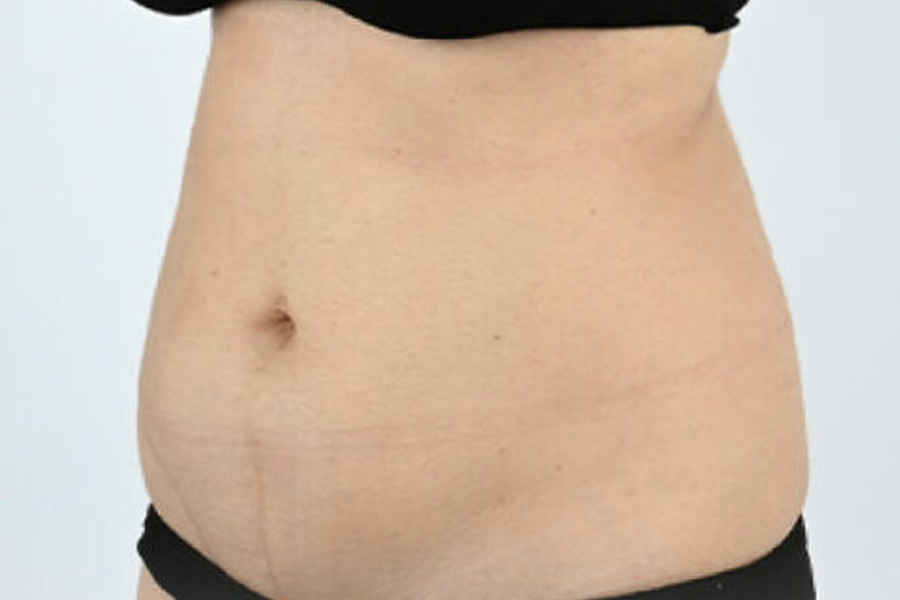
Liposuction Targets Fat Beneath The Skin In Selected Areas. It May Improve Proportions When A Persistent Pocket Of Fat Remains Despite A Stable Weight And Regular Activity.
Skin Quality
How Well Skin Adapts After Fat Removal Depends On Its Elasticity. Loose Skin Or Surface Irregularity May Remain Or Become More Noticeable After Treatment.
Treatment Limits
Liposuction Is Not A Weight-Loss Treatment. It Does Not Remove Fat Around Internal Organs, Repair Separated Abdominal Muscles Or Reliably Treat Cellulite Or Stretch Marks.
Liposuction Treatment Areas
Common Areas Include The Abdomen, Waist, Hips, Thighs And Upper Arms. Every Area Requires An Individual Assessment Of Fat Distribution, Skin Quality And Your Goals. Suitability For The Chin, Neck Or Smaller Areas Should Be Discussed With Your Surgeon.
Abdomen And Waist
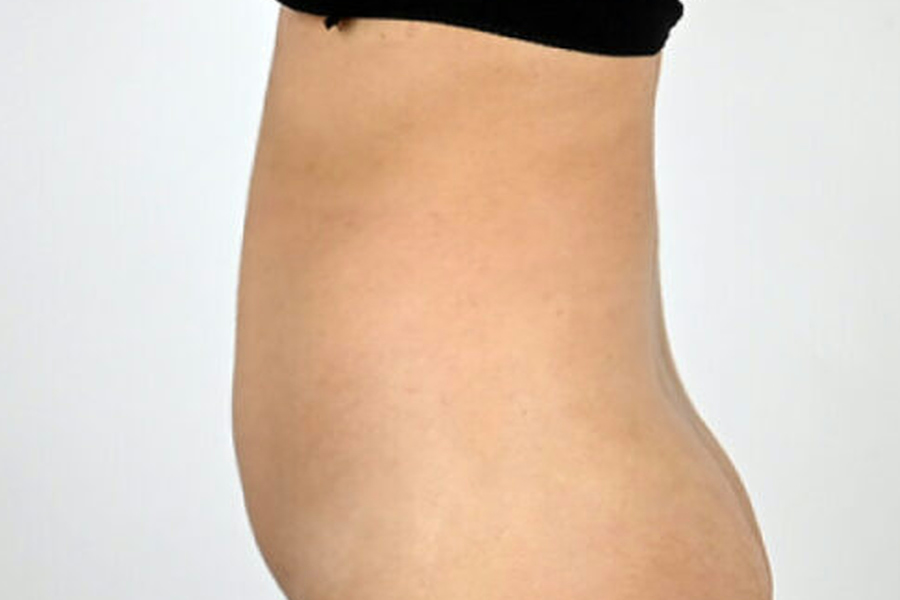
Assessment Distinguishes Fat Beneath The Skin From Loose Skin Or Abdominal-Wall Changes. The Flanks May Be Considered Together With The Abdomen When Appropriate.
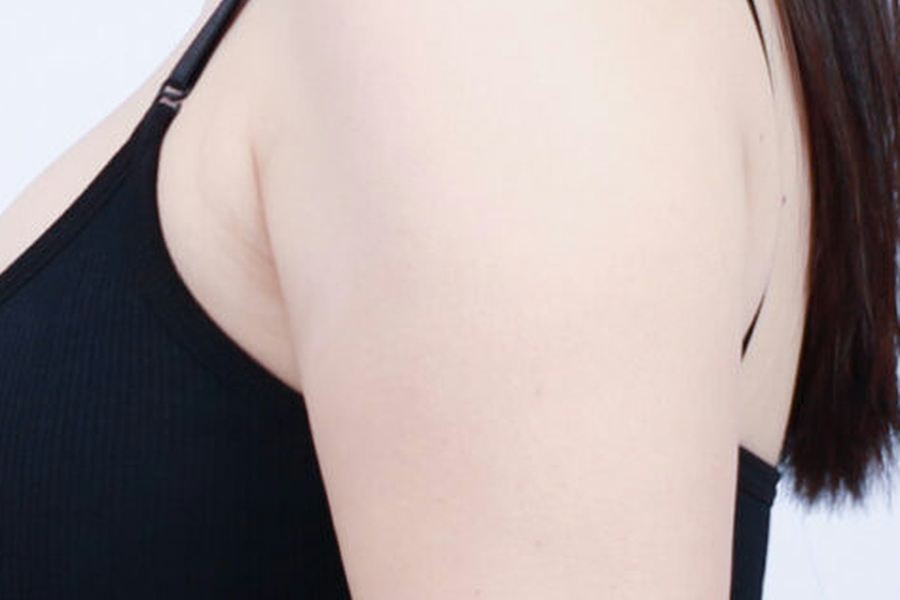
Upper Arms
Fat Reduction May Change Arm Contour, But Substantial Loose Skin May Require A Different Approach. Your Surgeon Should Discuss Skin Elasticity And Scar Trade-Offs.
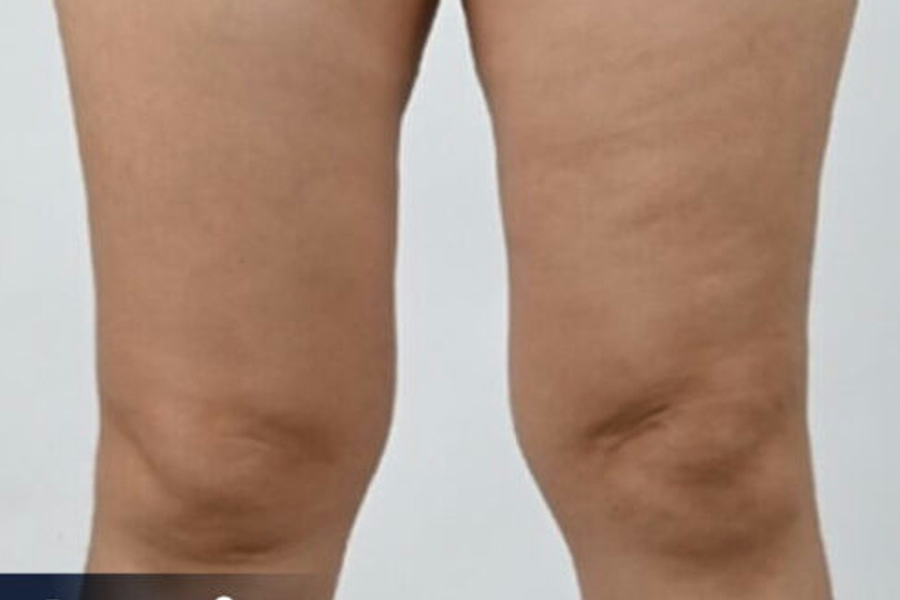
Hips And Thighs
Treatment Planning Considers The Relationship Between The Hips, Inner Or Outer Thighs And Surrounding Areas. Symmetry And Natural Anatomy Guide The Achievable Change.
Is Liposuction Right For You?
Suitability Is A Medical Decision As Well As An Aesthetic One. A Consultation Should Establish A Specific, Realistic Goal And Whether Surgery Offers An Appropriate Balance Of Benefit And Risk.
When It May Suit You
- You Have A Localised Fat Concern And A Stable Weight.
- Your Skin Quality And General Health Support The Proposed Treatment.
- You Have Realistic Goals And Understand The Limits Of Fat Removal.
- You Understand That Scars, Unevenness And Further Treatment Are Possible.
- You Can Arrange Recovery Time, Support At Home And Follow-Up Visits.
When To Reconsider
- Your Main Goal Is Major Weight Loss Or Removal Of Substantial Loose Skin.
- Smoking, Vaping, Medicines Or Health Conditions Need Medical Review. Do Not Stop Prescribed Medicines Yourself.
- You Are Pregnant: Elective Cosmetic Surgery Should Be Postponed Until After Delivery.
- If You Are Breastfeeding Or Planning Major Weight Changes, Discuss Timing And Any Medicine Considerations With Your Surgeon.
- You Cannot Yet Arrange Support, Time Away Or Reliable Follow-Up.
Liposuction Techniques
Your Surgeon Selects A Technique Based On Your Examination And Treatment Goals. A Device Name Alone Does Not Determine Suitability Or Guarantee Smoother Results Or A Shorter Recovery.
Water-Assisted Liposuction
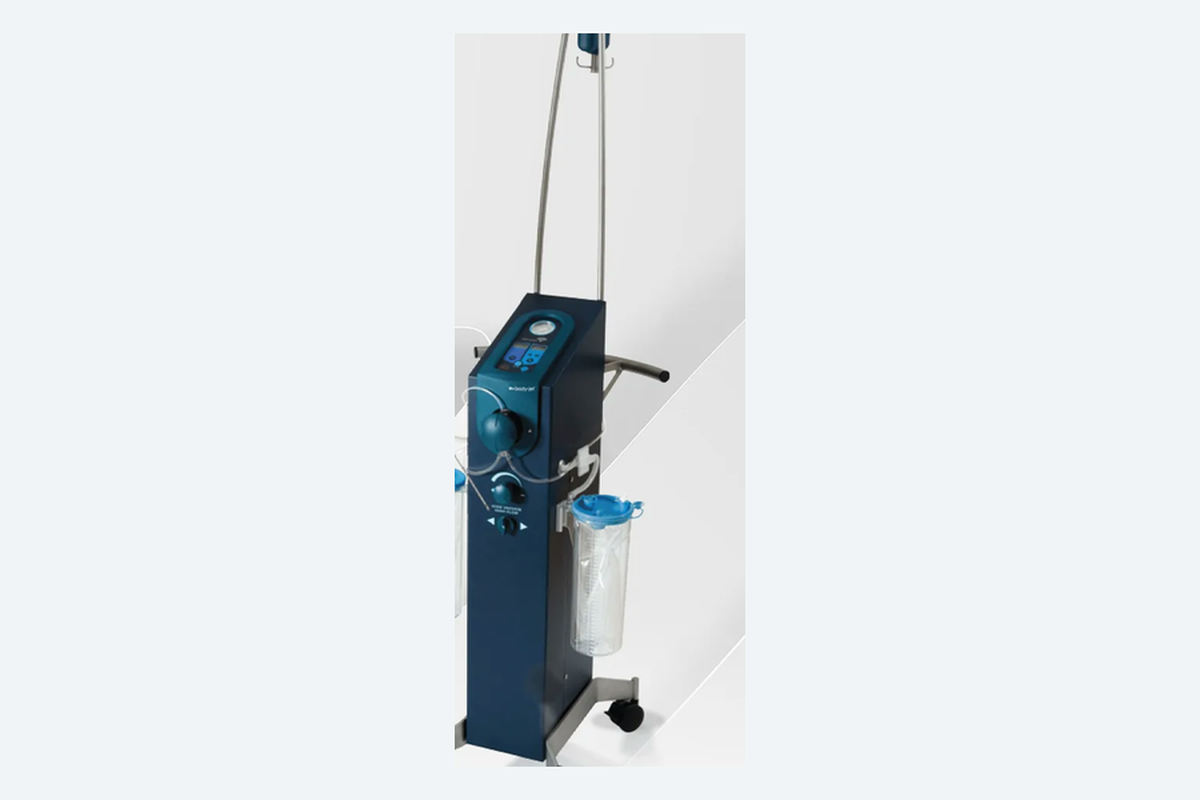
Liposuction Removes Fat Through A Thin Tube Called A Cannula. Water-Assisted Techniques, Such As Body-Jet, Use A Controlled Water Stream To Help Separate Fat While It Is Suctioned Out. Your Surgeon Should Explain Whether This Approach Suits Your Treatment Areas And Goals.
RF-Assisted Skin Tightening
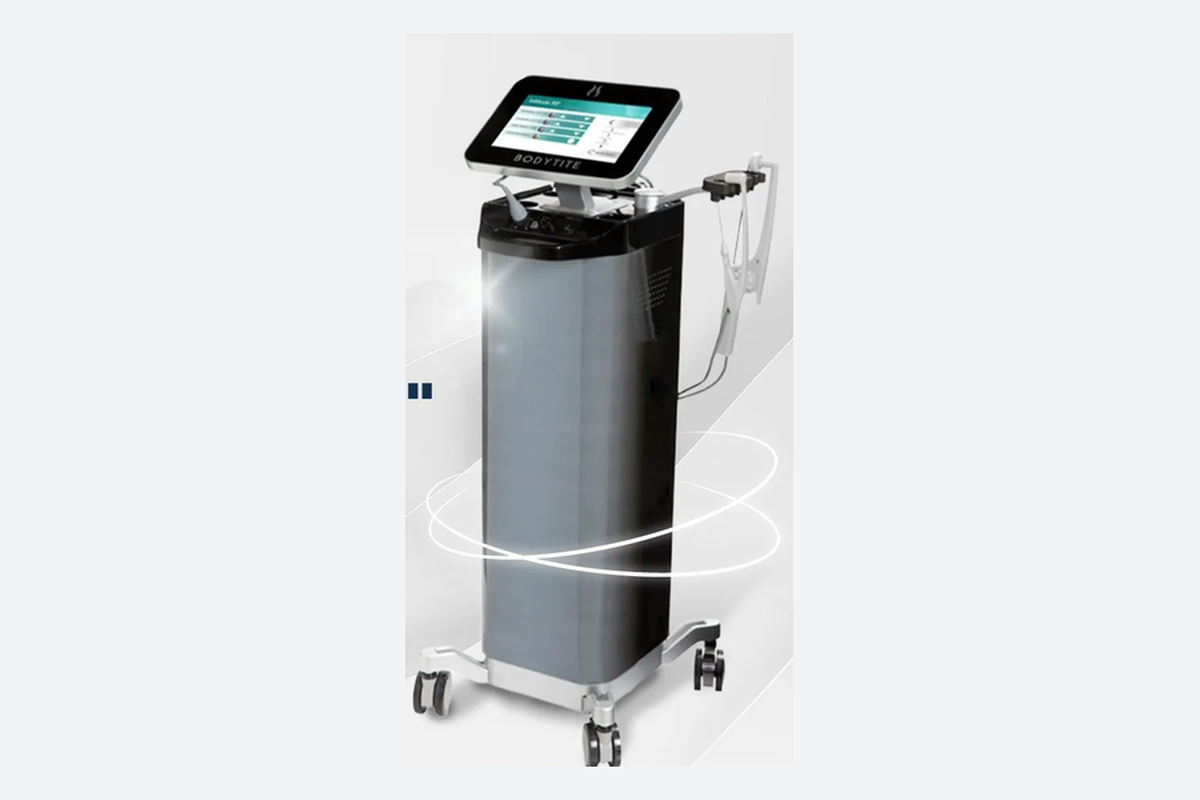
RF-Assisted Treatments, Such As BodyTite, Deliver Heat Between A Probe Inserted Through A Small Incision And An Electrode On The Skin. This May Help Tighten Tissue Alongside Liposuction. Results Vary, Excess Skin May Remain, And Heat-Related Injury Is A Possible Risk.
Ask Your Surgeon To Distinguish The Core Liposuction Procedure From Any Optional Skin Treatment Or Fat Transfer. Request Separate Explanations Of The Expected Benefit, Limitations, Risks, Recovery And Cost Of Each Part Of Your Plan.
Liposuction Or Tummy Tuck?
Fat Reduction And Skin Removal Solve Different Problems. Compare The Purpose And Recovery Of Each Before Deciding Which Operation Fits Your Main Concern.
Treatment Focus
Tummy Tuck
Loose Skin And Abdominal Support
A Tummy Tuck Removes Excess Abdominal Skin. When Needed, The Surgeon May Also Tighten The Supporting Tissue To Address Abdominal Muscle Separation.
Liposuction
Localised Fat Beneath The Skin
Liposuction Removes Selected Fat Deposits Beneath The Skin. It Does Not Remove Excess Skin Or Repair Abdominal Muscle Separation, So Skin Elasticity Is Important To The Result.
Your Choice Depends On The Balance Of Fat, Loose Skin And Abdominal Support. An Examination Helps Your Surgeon Explain Which Procedure Addresses Your Main Concern And Whether A Combined Or Staged Approach May Be Appropriate.
Suitability
Tummy Tuck
When It May Be Considered
A Tummy Tuck May Be Considered When Loose Abdominal Skin Is The Main Concern After Pregnancy Or Weight Changes. Stable Weight, General Health And Future Pregnancy Plans Help Guide Suitability And Timing.
Liposuction
When It May Be Considered
Liposuction May Be Considered For Localised Fat Deposits When Skin Elasticity Is Sufficient. General Health, A Stable Weight And Realistic Expectations Help Determine Whether Surgery Is Appropriate.
An Examination Helps Match Treatment To Your Anatomy And Priorities. Discuss Skin Laxity, Weight Changes And Your Expectations With Your Surgeon, Along With Your Medical History And The Time And Support You Can Allow For Recovery.
Scars & Recovery
Tummy Tuck
Scars And Recovery
A Tummy Tuck Usually Leaves A Longer Scar Across The Lower Abdomen. Skin Removal And Any Supporting-Tissue Repair Affect Recovery, And Your Surgeon Will Explain The Restrictions Relevant To Your Procedure.
Liposuction
Scars And Recovery
Liposuction Leaves Small Access Scars. Recovery Can Include Swelling, Bruising, Soreness And Activity Limits. The Areas Treated And Any Additional Procedure Affect How Much Recovery Time And Support You Need.
Recovery Depends On The Extent Of Treatment, Any Combined Procedures And How You Heal. Discuss Scar Placement, Support At Home And Follow-Up Before Surgery, And Ask When You May Safely Return To Work, Driving, Exercise And Travel.
Your Liposuction Consultation
Your Consultation Helps Establish Whether Liposuction Is Suitable For You And What It May Achieve. Photos Can Support An Initial Discussion, But An In-Person Examination Is Needed To Assess Your Skin, Fat Distribution And Treatment Options.

Health And Goals
Discuss Your Goals, Medical Conditions, Previous Surgery, Allergies And Any History Of Blood Clots Or Anaesthetic Problems. Bring A List Of Medicines And Supplements, And Tell Your Surgeon About Smoking, Vaping Or Other Nicotine Use.
Areas And Skin
Your Surgeon Assesses Fat Distribution, Skin Elasticity, Existing Scars And Natural Asymmetry. Discuss Weight Changes, Previous Treatments And Any Loose Skin, So You Understand What Liposuction May Improve And Which Concerns May Need Another Approach.
Your Treatment Plan
Confirm Who Will Perform Your Surgery, The Proposed Areas, Technique And Anaesthesia. Discuss Expected Benefits, Limitations, Individual Risks, Recovery Support And Follow-Up, And Request A Written Quotation That Explains What Is Included.
Preparing For Liposuction
Preparation Is Tailored To Your Health, Anaesthesia And The Areas Being Treated. Use Your Own Team’s Instructions For All Medicine, Fasting And Activity Decisions.
Health And Medicines

Before Your Operation
Complete The Medical Assessment And Tests Your Team Requests. List All Prescription And Over-The-Counter Medicines, Vitamins And Supplements. Agree Any Changes With Your Prescribing Clinician And Surgical Team, Including What To Take On The Day Of Surgery. Do Not Stop Prescribed Medicines Yourself.
Smoking And Anaesthesia

Confirm Your Instructions
Tell Your Team About Smoking, Vaping And Other Nicotine Use, And Agree A Plan To Stop Before Surgery. Discuss Alcohol Use And Confirm With Your Anaesthesia Team When To Stop Eating And Drinking. Contact Your Team If You Become Unwell Or Your Health Changes Before The Operation.
Home And Support

Make Space For Recovery
Arrange For An Adult To Take You Home And Stay With You For At Least The First Night, Or Longer If Your Team Advises. Prepare Comfortable Clothing, Meals And Help With Caring Duties. Allow Flexibility In Your Work Schedule And Keep Your Team’s Contact Details Available.
How Liposuction Is Performed
Your Team Should Explain The Procedure And Anaesthetic Before Consent. Operating Time And Day-Case Or Overnight Care Depend On The Extent Of Treatment And Your Health.
Before Surgery

Final Checks
The Agreed Areas Are Checked And Marked. Your Team Reviews Consent, Health Changes, Fasting And The Plan For Anaesthesia, Fluid Management And Prevention Of Blood Clots.
During Surgery

The Agreed Procedure
Through Small Incisions, The Surgeon Uses A Cannula To Remove Fat From The Planned Areas. Fluid May Be Introduced Into The Tissues As Part Of The Technique. The Goal Is A Proportionate Contour, Not A Predetermined Weight Reduction.
After Surgery

Observation And Discharge
Staff Monitor Your Recovery From Anaesthesia And Assess Readiness For Discharge. You Receive Instructions For Dressings, Any Compression Garment, Medicines, Warning Signs And Review Appointments. Arrange The Help Your Team Recommends.
Liposuction Recovery
Use These Approximate Stages To Plan Time Away, Not As A Fixed Recovery Schedule. Your Treatment Areas, Health And Any Combined Operation Can Change The Timing; Follow Your Surgeon’s Clearance.
The First Week
Rest And Gentle Movement
Soreness, Swelling And Bruising Are Common. Limit Demanding Activity, Take Prescribed Medicines And Walk Gently As Advised. Report Symptoms That Worsen Rather Than Gradually Improve.
Weeks 2–3
Planning Your Return To Work
Some People May Resume Desk-Based Work During This Period. Agree Your Return With Your Surgeon Based On Your Recovery And Job Demands. Physical Work May Require Longer. Continue Wound And Garment Care As Advised.
Weeks 4–6
Build Activity Gradually
Bruising And Swelling Often Improve Gradually. Increase Activity And Begin Gentle Exercise Only When Your Surgeon Advises. The Timing Depends On Your Recovery And Treatment Areas; Heavy Lifting And Strenuous Exercise May Need A Longer Wait.
Following Months
Assess The Settled Contour
Swelling May Take Up To Six Months To Settle. Keep Follow-Up Appointments To Review Healing And The Developing Contour. Contact Your Team Promptly About Severe Pain, Worsening Symptoms Or Unexpected Changes; Do Not Wait For Your Next Review.
Your Aftercare Essentials
Follow Your Individual Aftercare Instructions.
Care At Home
Dressings And Compression Confirm How To Care For Small Incision Sites, Change Dressings And When You Can Shower. Ask How Long To Wear Any Compression Garment. Report Excessive Pressure, Skin Changes Or Worsening Discomfort.
Products And Massage Ask Before Applying Scar Treatments Or Starting Massage. Do Not Manipulate Tender Areas Or Incompletely Healed Wounds Without Advice.
Home Support Keep Food, Water And Essentials Accessible. Arrange Help With Tasks That Involve Lifting, Prolonged Standing Or Caring For Others.
Returning To Activity
Gentle Walking Take Short, Regular Walks As Your Team Advises. Avoid Prolonged Immobility, While Respecting Your Activity Restrictions.
Driving Resume Driving Only After Your Team’s Clearance And When You Can Control The Vehicle Comfortably And Safely. Do Not Drive While Affected By Medicines That Cause Drowsiness Or Slow Your Reactions.
Exercise And Swimming Agree A Gradual Return To Exercise With Your Surgeon. Swim Only Once Your Wounds Have Fully Healed And Your Team Has Cleared You. Heavy Lifting And Strenuous Activity Need Specific Clearance.
Scars And Lasting Results
Your Contour Develops As The Tissues Heal And Swelling Subsides. Before Surgery, Discuss The Expected Changes And The Permanent Scars Left By Small Incisions.
Small Incisions Still Leave Scars
Incision Sites
The Number And Position Of Small Incisions Depend On The Treatment Areas And Technique. Ask Your Surgeon To Explain The Planned Locations Before You Consent.
Scar Changes
Scars Often Fade Over Time, But Their Colour, Texture And Final Visibility Vary. Small Incisions Still Leave Permanent Scars And Cannot Be Guaranteed To Become Invisible.
Scar Care
Follow Your Team’s Wound-Care Advice And Ask When To Start Sun Protection Or Scar Products. Seek Advice If A Scar Becomes Increasingly Painful, Inflamed Or Raised.
Your Contour Over Time

Weight And Ageing
Maintaining A Stable Weight Supports A Lasting Contour. Weight Gain, Pregnancy And Ageing Can Still Change Your Shape After Fat Removal.
Limits And Revision
Some Asymmetry, Looseness Or Surface Irregularity May Remain. Further Treatment Is Sometimes Considered, But The Need And Timing Require A Fresh Assessment.
Review The Final Result
Allow Time For Swelling To Settle Before Assessing The Final Contour. Keep Follow-Up Appointments, And Report New Or Worsening Symptoms Promptly Instead Of Waiting Until Healing Is Complete.
For Published Patient Examples, View DCH Case Reviews. Ask About The Procedure And Follow-Up Timing For Any Case You Review, And Discuss How It Relates To Your Own Treatment Plan.
Liposuction Risks
All Liposuction Techniques Carry Risk. Your Surgeon Should Explain The Risks Relevant To Your Health, Treatment Areas, Proposed Volume And Any Additional Procedure.
Bleeding And Infection
Bleeding, Bruising And Infection May Occur. Increasing Pain, Redness, Discharge Or Fever Requires Prompt Contact With Your Team.
Fluid And Tissue Injury
Fluid Collections, Poor Wound Healing And Injury To Nerves, Blood Vessels Or Internal Organs Can Occur. Energy-Assisted Techniques Can Also Cause Burns Or Heat Injury.
Clots And Anaesthesia
Blood Clots, Lung Or Heart Complications And Anaesthetic Problems Can Be Serious. Larger Treatment Plans And Combined Operations Need Careful Risk Assessment.
Sensation And Contour
Numbness Can Persist, And Uneven Contours, Loose Skin Or Asymmetry May Remain. Revision Surgery May Be Discussed After Healing If Appropriate.
Liposuction Cost And Travel
Liposuction Cost In Bangkok Depends On Your Areas, Technique, Anaesthesia And Care Needs. Ask Whether Pricing Is Per Area Or For An Agreed Package, And How An Area Is Defined. Obtain A Written Quote Before Paying A Deposit Or Booking Travel.
Your Treatment Budget

What The Quote Covers
Request An Itemised Quote Covering Surgeon, Anaesthesia And Hospital Fees, Tests, Garments, Medicines And Scheduled Reviews. Confirm The Number Of Garments And Follow-Up Visits Included. Ask Whether Skin Tightening Or Fat Transfer Is Optional And Charged Separately.
Costs If Plans Change
Confirm How Long The Quotation Is Valid, The Deposit And Cancellation Terms, And Charges For Additional Nights Or Visits. Ask How Complications, Postponements And Revision Treatment Are Handled; Do Not Assume These Are Included.
Beyond Hospital Fees
Allow For Accommodation, Transport, A Companion And Time Off Work. Check Whether Your Insurance Covers Elective Treatment Or Related Complications.
Your Stay And Return Home

Before You Book
Agree Consultation, Operation And Review Dates With The Hospital First. Keep Travel Flexible Because Your Final Treatment Plan May Change After Examination.
Support During Your Stay
Arrange Suitable Accommodation And An Adult Helper. Ask DCH Which Language Support, Transport And Accommodation Assistance Are Available And Whether They Cost Extra. Confirm How To Reach The Care Team Outside Appointment Hours.
Returning Home Safely
Obtain Personalised Advice About When Flying Is Appropriate. Confirm Any Clot-Prevention Measures, Written Recovery Instructions And How Follow-Up Will Continue At Home.
Your Care At DCH Hospital
Discuss Your Liposuction Goals With DCH Hospital’s Care Team And Confirm The Clinician Responsible For Each Stage, From Assessment To Ongoing Review.

Dr. Chen Chaicharncheep
Dr. Chen Is DCH Hospital’s Founder And A Physician. His Profile Lists An M.D. From Chiang Mai University, Thai Medical Licence 51245 And A Recognised Specialty In Orthopaedics. Liposuction Is Listed Among His Consultation Areas. Confirm Who Will Perform Your Operation And Their Relevant Training And Experience.
Your Follow-Up Plan
Before Booking, Agree Who Provides Anaesthesia, Where Surgery Takes Place And Whether You Need Overnight Observation. Request Dated Review Appointments, A Direct Aftercare Contact And A Plan For Follow-Up After Returning Home. Confirm Any Additional Support Or Fees In Writing.
Liposuction FAQs
No. It Targets Localised Fat Beneath The Skin For Contouring. If Your Main Goal Is Substantial Weight Loss, Discuss An Appropriate Weight-Management Plan Before Considering Surgery.
Commonly Assessed Areas Include The Abdomen, Waist, Hips, Thighs And Upper Arms. Chin, Neck And Other Smaller Areas Need Individual Review. The Appropriate Combination Depends On Your Anatomy And Health.
Several Areas May Be Considered, But A Larger Treatment Plan Can Increase Risk And Recovery Needs. Your Surgeon Assesses Your Health, The Areas And Volume Planned, Anaesthesia And Any Combined Procedure. Ask Whether One Operation Or Separate Stages Would Be More Appropriate, And What Support Each Plan Requires.
Fat Removal Alone Does Not Remove Excess Skin. Skin Elasticity Affects How It Adapts. Ask Whether An Additional Skin Treatment Or A Skin-Removal Operation Would Better Address Your Concern.
Liposuction Reduces Selected Fat Deposits. A Tummy Tuck Removes Excess Abdominal Skin And May Include Repair Of Supporting Tissue. An Examination Helps Distinguish Fat, Skin And Abdominal-Wall Concerns.
No Technique Suits Every Person. DCH Describes Body-Jet Among Its Options; Your Surgeon Should Explain Why A Method Is Appropriate For Your Areas And Discuss Its Limitations And Risks.
The Anaesthetic Depends On The Extent Of Treatment And Your Health. Confirm Whether Local Anaesthesia, Sedation Or General Anaesthesia Is Proposed And Who Will Provide And Monitor It.
Anaesthesia Is Used During The Operation. Soreness, Tenderness Or Tightness Can Follow. Use The Prescribed Pain Plan And Contact Your Team About Severe Or Increasing Pain.
Some People Resume Desk-Based Work Around Weeks 2–3, But Treatment Extent, Healing And Job Demands Can Change This. Physical Work May Need Longer. Agree A Personal Return Date With Your Surgeon And Allow Flexibility.
Swelling Usually Improves Gradually And May Take Several Months To Settle. Increasing Swelling, Redness, Fever Or Worsening Pain Needs Prompt Review. New Pain Or Swelling In One Leg Requires Urgent Medical Assessment. Call Local Emergency Services For Chest Pain, Difficulty Breathing Or Collapse; Do Not Wait For A Routine Reply.
Your Team May Recommend One To Support Recovery. Confirm Its Fit, Daily Use, Cleaning And Duration. Report Pressure-Related Discomfort, Numbness Or Skin Changes Rather Than Tightening It Yourself.
Remaining Fat Cells Can Enlarge With Weight Gain, And Shape Changes With Ageing Or Pregnancy. A Stable Weight Helps Maintain The Contour; Surgery Does Not Prevent Future Body Changes.
Small Access Incisions Leave Permanent Scars. Their Position And Final Appearance Vary. Discuss Likely Locations, Your Scar History And Wound-Care Instructions Before The Procedure.
Request A Personalised Written Quote. Confirm Whether Pricing Is Per Area Or Package And Which Surgeon, Anaesthesia, Hospital, Garment, Medicine And Review Fees Are Included. Check Optional Treatments, Extra Visits And Deposit Terms Before Paying.
There Is No Universal Date. Your Surgeon Assesses Healing, Treatment Extent And Clot Risk Before Advising Travel. Keep Bookings Flexible And Arrange Follow-Up Before Leaving Bangkok.
Contact DCH Hospital With Your Goals, Treatment Areas And Preferred Dates. Bring Your Medical History And Medicine List. Confirm Consultation Fees, Your Clinician, The Examination And Written Quotation Before Booking Surgery.
Follow The Instructions For Your Dressings And Access Sites. Ask When Showering Is Allowed And How To Dry And Protect The Wounds. Avoid Soaking Or Swimming Until The Wounds Have Healed And Your Team Clears You.
This Depends On The Technique And Wound Closure. Ask Before Discharge Whether Drains Or Removable Stitches Are Present, How To Care For Them And When Review Or Removal Is Due. Do Not Remove Them Yourself.
Look For A Similar Starting Shape And Treated Area. Ask When The After Image Was Taken And Whether Skin Tightening Or Another Operation Was Included. Photos Show Individual Cases, Not A Guarantee Of Your Result.
Related Articles
Explore Recovery, Abdominal Surgery And Treatment Planning.
Recovery GuideRecovery After LiposuctionPlan Aftercare, Activity And Follow-Up After Liposuction.
Recovery GuideFull Tummy Tuck GuideUnderstand Excess Skin, Abdominal Support And Recovery.
Recovery GuideTummy Tuck And Breast AugmentationConsider Separate Goals, Combined Procedures And Recovery Support.