Understand Your Eyelid Concern
Your Upper Eyelid Crease, Skin Fold And Eyelid Position Are Different Features. Identifying Your Main Concern Helps Your Surgeon Explain What Crease Surgery Can Address And Whether Another Assessment Is Needed.

Crease Definition
A Low, Hidden Or Uneven Upper Eyelid Crease Can Affect How The Lid Looks When Your Eyes Are Open. Assessment Focuses On Crease Height, Skin Thickness And Natural Differences Between The Eyes Before Discussing A Suitable Shape.
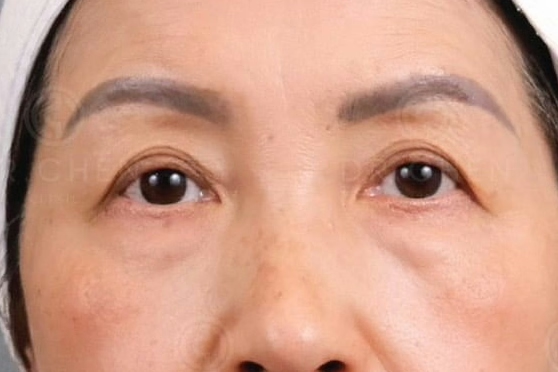
Excess Skin
Loose Upper Eyelid Skin Can Fold Over The Crease And Create A Hooded Appearance. Brow Position May Also Contribute. Your Surgeon Assesses Both To Explain Whether Crease Creation Alone Can Address Your Concern Or A Different Approach Is Needed.
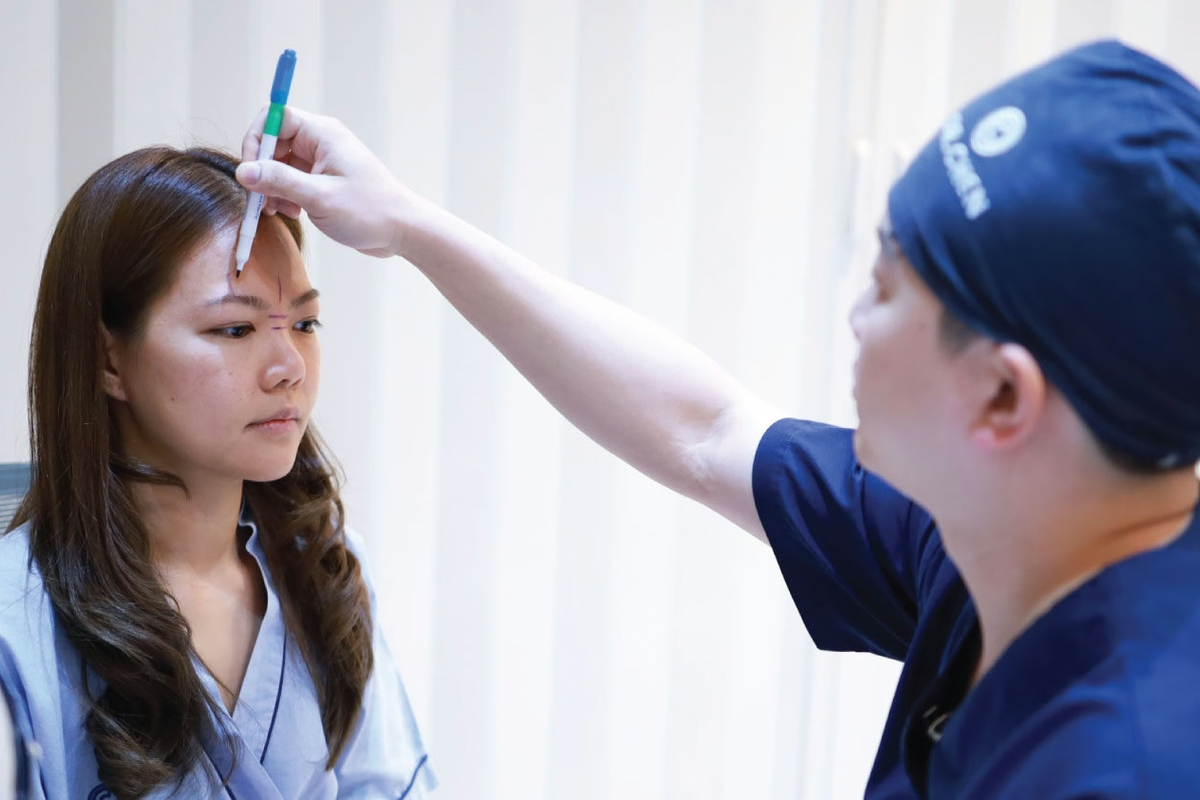
A Drooping Eyelid
Ptosis Means The Upper Eyelid Margin Sits Lower Than Expected. It Can Affect One Or Both Eyes And May Involve The Eyelid’s Lifting Mechanism. An Eye Examination Helps Identify The Cause; Crease Surgery Alone May Not Correct It.
Upper Eyelid Crease Surgery Does Not Treat Lower Eyelid Bags. If Both Areas Concern You, Discuss Them Separately During Your Consultation.
Double Eyelid Surgery Options
Two Common Approaches Are Suture-Based And Incisional Techniques. The Choice Depends On Your Eyelid Anatomy, Skin Excess And Goals. Neither Method Suits Everyone.
Suture-Based Crease Creation
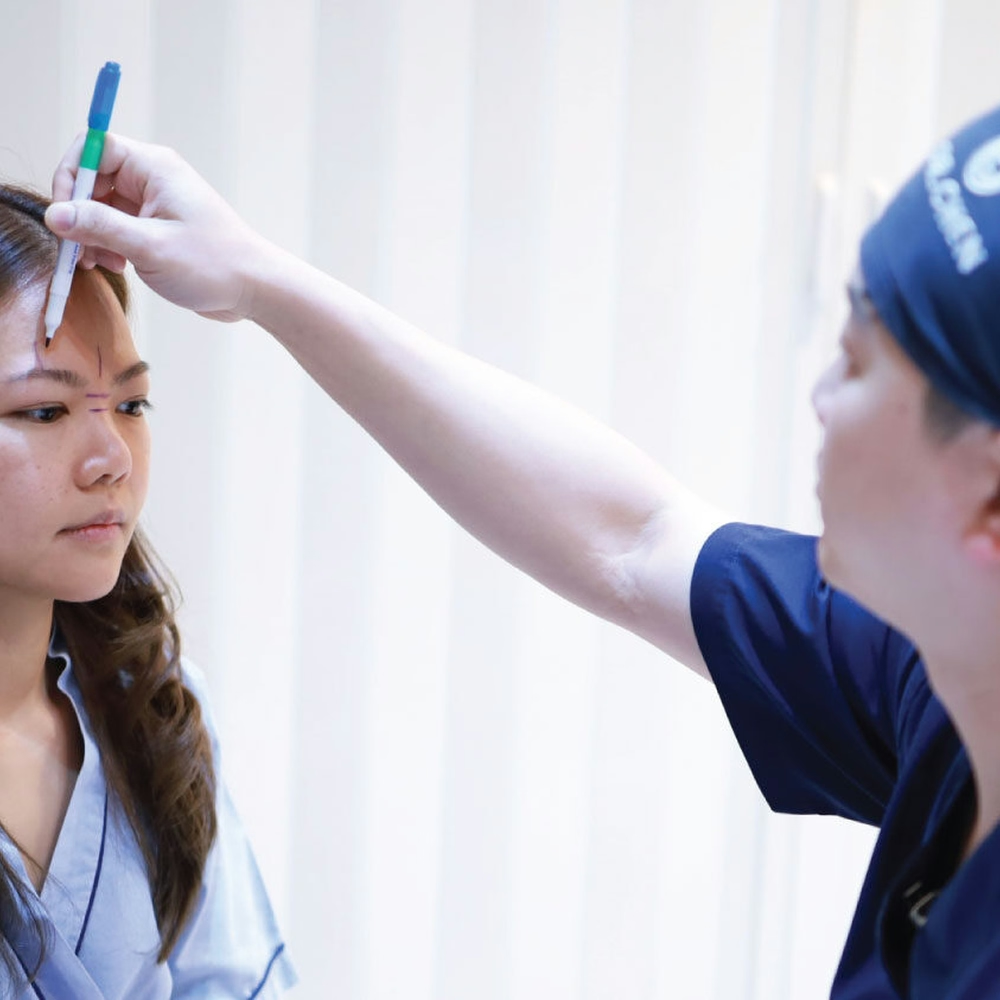
How It Works
Buried Sutures Connect Eyelid Tissue To Help Form A Crease, Usually Through Small Punctures. The Number And Position Of Access Points Vary By Technique.
Suitability
May Suit Selected Eyelids With Little Excess Skin. Skin Thickness, Tissue Fullness And Existing Crease Attachments Help Determine Whether This Approach Is Appropriate.
Limitations
The Crease May Loosen Or Fade. Sutures Can Cause Irritation Or Become Visible, And Further Treatment May Be Needed. This Approach Cannot Address Significant Excess Skin Alone.
Incisional Crease Creation
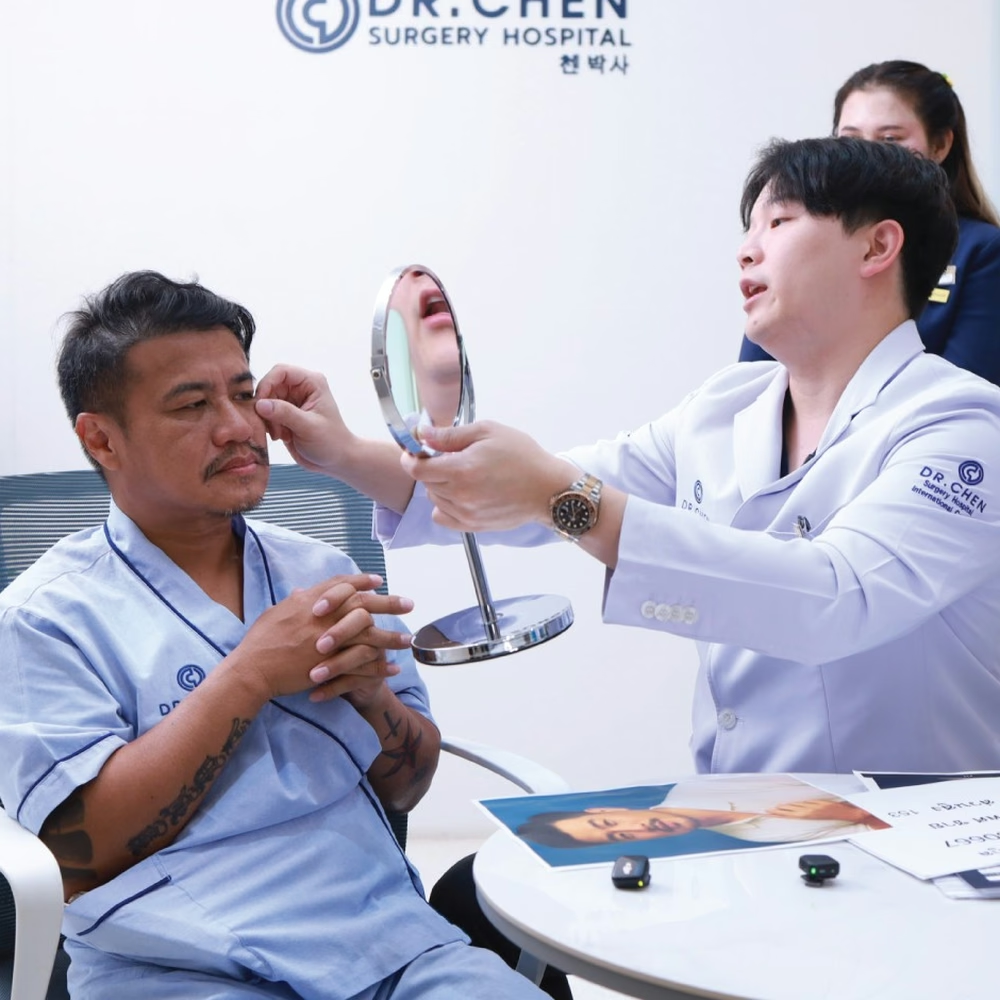
How It Works
An Incision Along The Planned Crease Allows The Surgeon To Create Attachments And Remove Selected Excess Skin Or Tissue When Needed.
Suitability
May Be Considered When Excess Skin Or Tissue Needs Direct Treatment. The Plan Should Preserve Comfortable Eye Closure And An Appropriate Contour; More Removal Is Not Always Better.
Limitations
An Incision Leaves A Scar That Takes Time To Settle. Swelling And Recovery Vary, And Asymmetry Or Further Treatment Remain Possible. A Lasting Crease Is Not Guaranteed.
Discuss Available Techniques, Recovery And Risks With Your Surgeon.
Your Eyelid Consultation
Is Surgery Suitable For You? Suitability Depends On Eye Health, General Health, Realistic Expectations And The Ability To Follow Aftercare. Smoking And Conditions That Affect Healing Need Review. An Active Eye Problem Or Uncontrolled Medical Condition May Require Treatment Before Elective Surgery Is Considered.
Shape And Symmetry
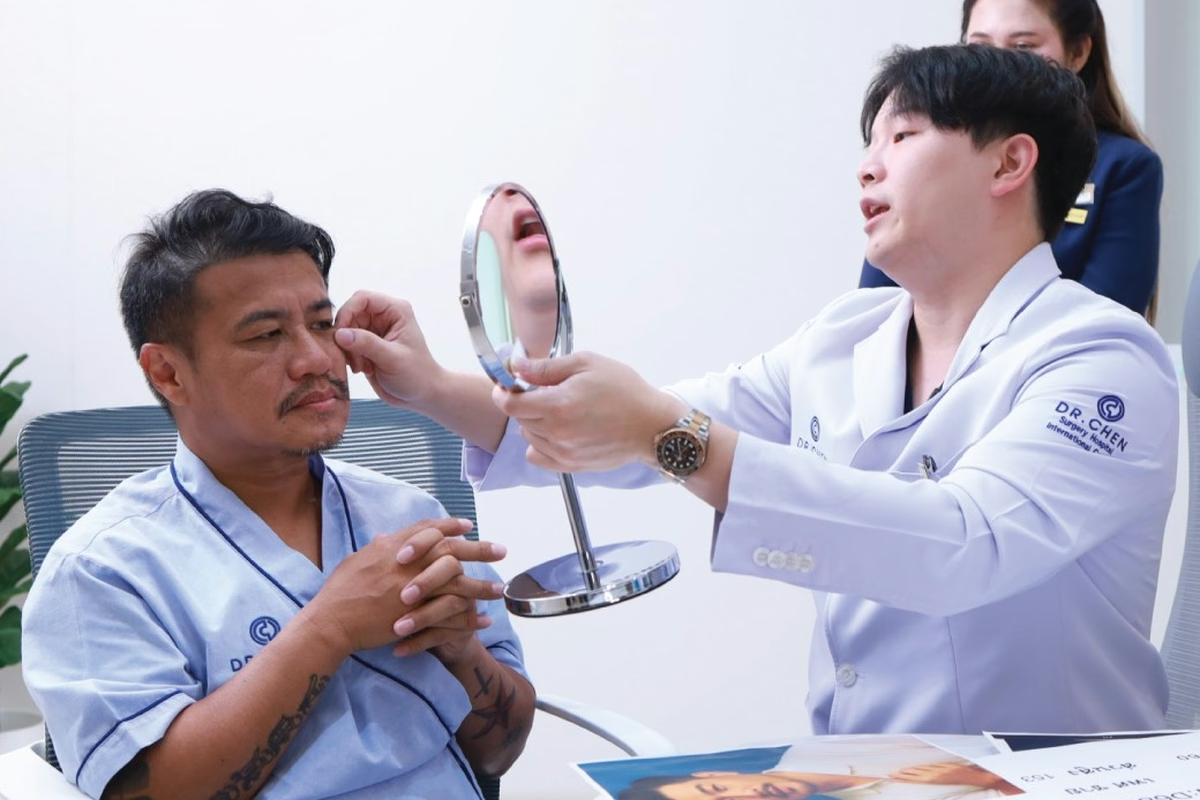
Discuss Crease Height, Visibility And The Differences Between Your Eyes. Reference Photos Can Explain Preferences, But Another Person’s Eyelid Shape Cannot Be Guaranteed.
Eye Health And History
Describe Dry Eyes, Contact Lens Use, Vision Symptoms, Previous Eye Procedures And Medical Conditions. Bring Your Medicine List And Prior Records. Existing Dryness Can Increase Postoperative Discomfort And May Need Further Eye Assessment.
A Personal Treatment Plan
Confirm Who Will Perform Your Surgery, The Proposed Technique, Anaesthetic And Follow-Up. Discuss Alternatives, Including No Surgery, And Take Time To Consider The Benefits And Risks.
Preparing For Surgery
Review Your Medicines
Bring A Complete List Of Prescriptions, Supplements And Allergies. Follow Individual Instructions; Do Not Stop Blood Thinners Or Other Prescribed Medicines On Your Own.
Prepare For The Day
Complete Any Requested Tests And Follow Fasting Instructions For Your Anaesthetic Plan. Tell The Team About New Illness Or Eye Irritation Before Attending.
Arrange Practical Support
Discuss Smoking And Nicotine With Your Team. Arrange Transport, Help During Early Recovery And A Suitable Place To Rest. Keep Review Dates Free Before Booking Travel.

Recovery And Everyday Care
Early Recovery
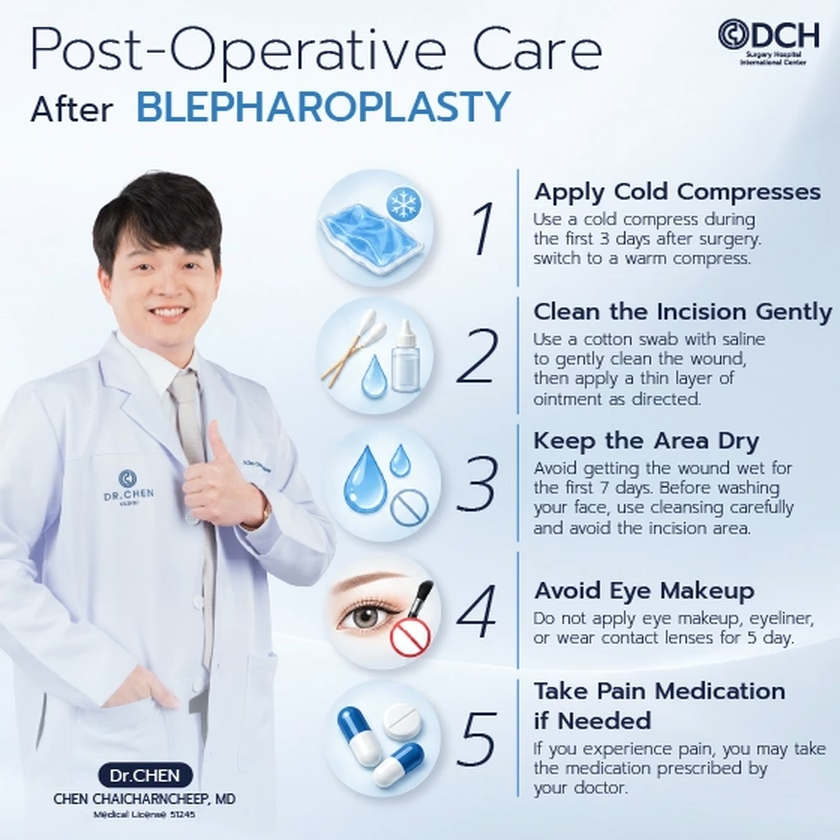
Swelling, Bruising And Tightness Can Affect Your Appearance. Rest With Your Head Slightly Elevated, As Advised By Your Team. Follow Your Team’s Instructions For Gentle Eyelid Cleaning, Cold Compresses And Prescribed Drops Or Ointment.
Returning To Routine
Avoid Eye Rubbing And Protect Your Eyes From Sun And Wind With Sunglasses. Get Individual Clearance For Exercise, Swimming, Makeup And Contact Lenses. Drive Only When Vision, Comfort And Medicine Effects Allow Safe Driving.
Ongoing Review
Attend Wound Checks And Suture Removal If Needed. Swelling Settles Gradually, And Crease Shape Continues To Change. Ask About Persistent Irritation Or Uneven Healing.
Allow Flexibility Around Work And Social Plans. Some People Need Around Two Weeks Away From Work After Eyelid Surgery, While Visible Bruising Or Swelling May Last Longer. Your Own Timeline Depends On The Technique, Healing And Job Demands.
Crease Shape, Scars And Results
Allow Time To Settle
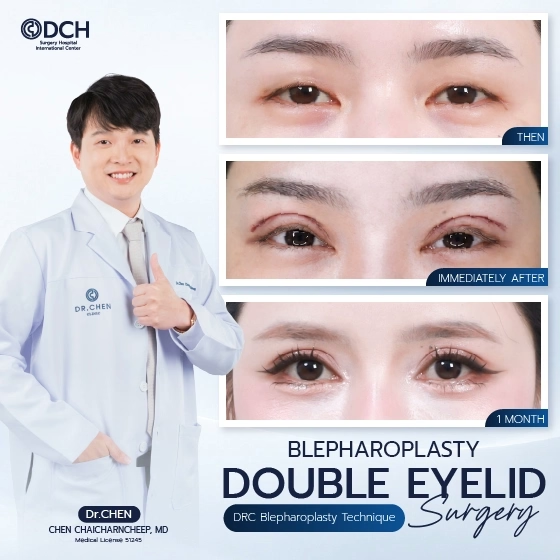
Early Swelling Can Temporarily Make A Crease Look Higher Or Uneven. Review Progress With Your Surgeon As Swelling Settles Before Judging The Result. Healing And Natural Differences Between The Eyes Affect Symmetry; An Exact Match Cannot Be Guaranteed.

Understand Longer-Term Changes
Incisional Scars Are Usually Placed Along The Planned Crease And May Fade As They Mature, But An Invisible Scar Cannot Be Guaranteed. Ageing And Changes In Skin Or Crease Attachments Can Alter The Result. Any Revision Requires Individual Assessment Of Its Benefits, Limits And Risks.
Risks And When To Get Help
Understand The Risks
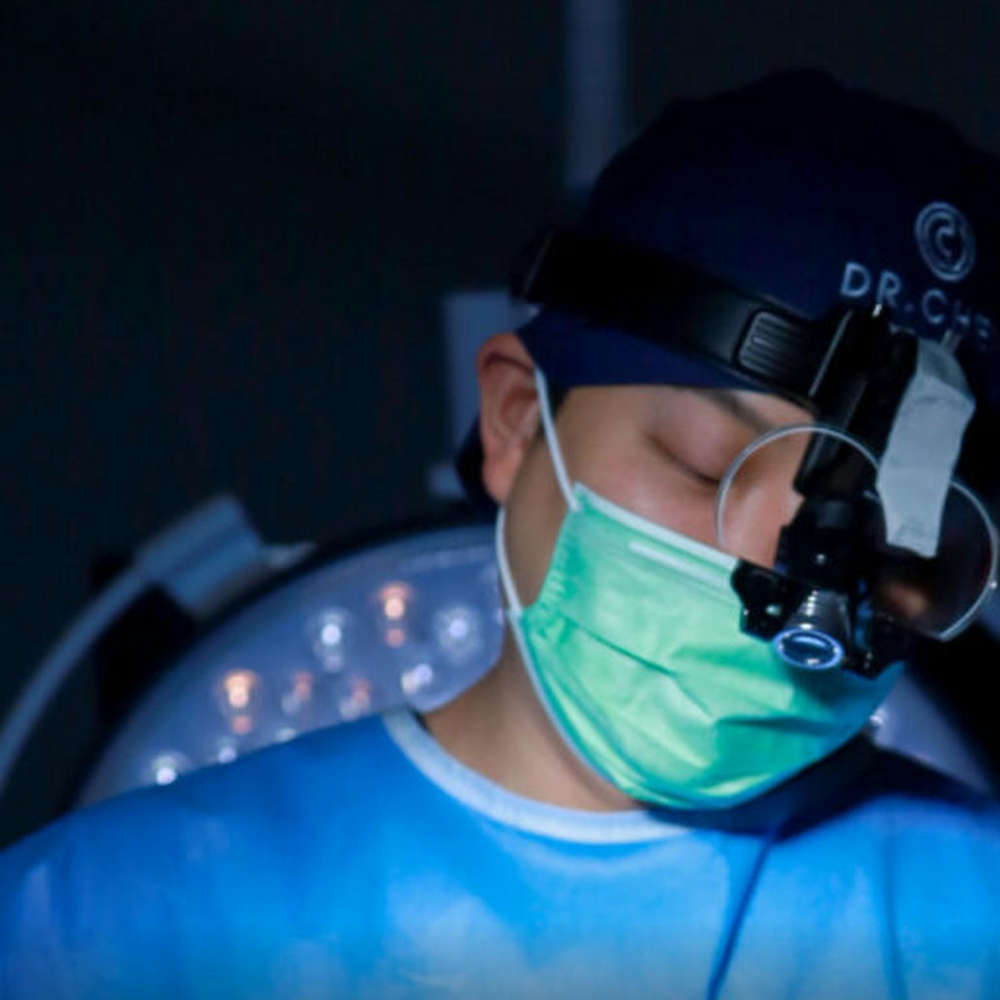
Possible Risks Include Bleeding, Infection, Anaesthetic Reactions, Dryness, Difficulty Closing The Eyes, Scarring And Uneven Creases. Further Surgery May Be Needed. Rare Complications Include Permanent Vision Loss. Ask Your Surgeon How Your Eye Health And Chosen Technique Affect Your Individual Risk.
Contact Your Care Team
Call Promptly For Increasing Redness, Discharge, Fever, Wound Opening Or Symptoms That Worsen. If Your Team Is Unavailable, Seek Urgent Medical Care. Before Leaving Hospital, Save Your Aftercare Number And Confirm How To Get Help Outside Normal Hours.
Get Emergency Help
Sudden Reduced Vision, Severe Eye Pain Or Rapidly Increasing Swelling Need Immediate Emergency Assessment. Go To The Nearest Emergency Department And Contact Your Surgical Team. Do Not Wait For An Appointment Or An Online Reply.
Your Care At DCH Hospital

Meet The Medical Team
Dr. Chen Chaicharncheep Is DCH Hospital’s Founder And A Physician. For Eyelid Surgery, Confirm The Name, Relevant Training And Experience Of The Surgeon Who Will Assess You And Perform Your Procedure.
Know Your Follow-Up Plan
Agree Who Handles Your Reviews And How To Reach The Team If Symptoms Change. Request Written Aftercare Instructions, Dated Appointments And A Plan For Support After Returning Home.