Understanding Your Breast Goals
Start With What You Want To Change: Fullness, Shape Or Breast Position. Your Consultation Helps Match Those Goals To Your Anatomy And A Realistic Surgical Plan.

Volume And Fit
- Your Goal
- Add Fullness Or Restore Breast Volume After Pregnancy Or Weight Changes.
- Choosing Your Size
- Match Implant Width And Volume To Your Chest, Tissue And Lifestyle. Discuss A Size Range, Rather Than A Cup-Size Label Alone.
Shape And Balance
- Your Goal
- Improve Differences In Breast Fullness Or Shape With Realistic Expectations.
- Your Assessment
- Your Surgeon Reviews Breast Volume, Nipple Position And The Chest Wall. Better Balance May Be Possible; Perfect Symmetry Is Not Guaranteed.
Lift Or Revision Needs
- Loose Skin
- Implants Add Volume But Do Not Correct Significant Sagging. A Lift May Be Needed For Stretched Skin Or Lower Nipple Position.
- Existing Implants
- Previous Implants, Scars Or Complications Need A Revision Assessment. Bring Your Implant Records And Explain The Change You Want.
Who Is Breast Augmentation For?
Breast Augmentation May Suit Adults Who Want To Change Their Breast Volume And Have Realistic Expectations. Your Consultation Should Explore Your Goals, Health And Readiness For Recovery And Ongoing Care.
Your Readiness At A Glance
- Goals
- Choose A Change For Yourself, With Realistic Expectations About Your Shape And Volume. Your Surgeon Can Explain The Options, Risks And Limits.
- Health
- Discuss Your Health, Medicines And Nicotine Use. Breast Development, Pregnancy, Breastfeeding And Weight Changes May Affect Whether Surgery Is Appropriate And When.
- Recovery
- Plan Time To Rest And Arrange Early Support. Implants Are Not Lifetime Devices; Follow-Up, Imaging Or Further Surgery May Be Needed.
You Can Take Time To Decide, Including Choosing No Treatment.
Implants, A Lift Or Fat Transfer?
The Best Starting Point Is The Concern You Want To Address: Volume, Nipple Position Or A Smaller Contour Change. These Procedures Have Different Purposes And May Be Combined After Assessment.
| Option | Overview |
|---|---|
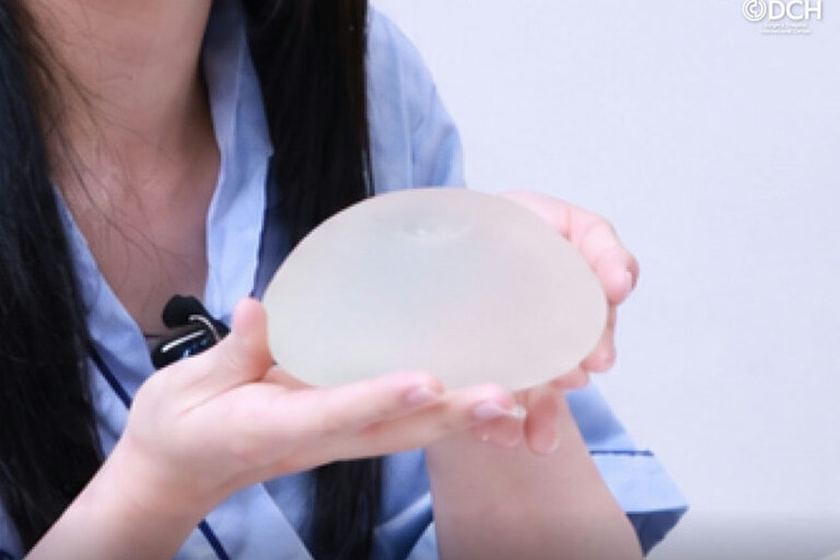 | Add Volume With A Selected Implant Size, Width And Projection. They Do Not Reliably Correct Substantial Sagging. Device Monitoring And Possible Future Surgery Are Part Of The Decision. |
 | Remove Excess Skin And Reposition Breast Tissue And The Nipple. A Lift Creates Additional Scars And Does Not By Itself Add Implant Volume. Some Patients Need A Lift With Augmentation. |
 | Use Fat Removed By Liposuction For A More Limited Volume Change. Enough Donor Fat Is Needed. Some Fat May Be Absorbed, And Fat Necrosis, Cysts Or Repeat Treatment Are Possible. |
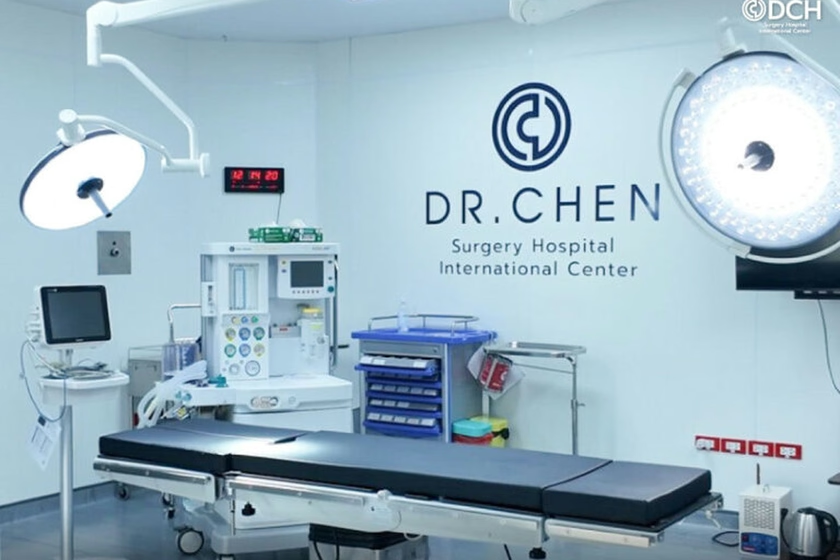
Discuss Which Of These Options DCH Can Offer And Whether It Suits Your Assessment.
Choosing Your Size And Shape
Choosing An Implant Is About More Than Volume. Your Chest Width, Tissue And Preferred Shape Help Guide A Plan That Suits Your Body.
The Same Implant Volume Can Look Different On Different Bodies. Focus On Proportion And Fit, Rather Than A Promised Cup Size.
Fit Before Cup Size
Your Surgeon Checks Chest Width, Skin Stretch And Existing Tissue To Help Select An Implant That Fits Your Body.
Shape And Projection
Discuss Round Or Shaped Implants, Upper-Breast Fullness And How Far The Implant Projects Forward. Review Surface And Rotation Risks Where Relevant; Shape Alone Does Not Guarantee A Natural Look.
Preview Your Options
Compare Implant Samples Or Sizers With DCH’s 3D Body Scan. These Tools Support Planning, But Simulations Cannot Guarantee Your Final Shape Or Size.
Understanding Your Implant Options
Explore Mentor And Motiva Options Presented By DCH. Compare The Implant Family, Feel And Design With Your Surgeon To Find A Suitable Fit For Your Body.
Mentor
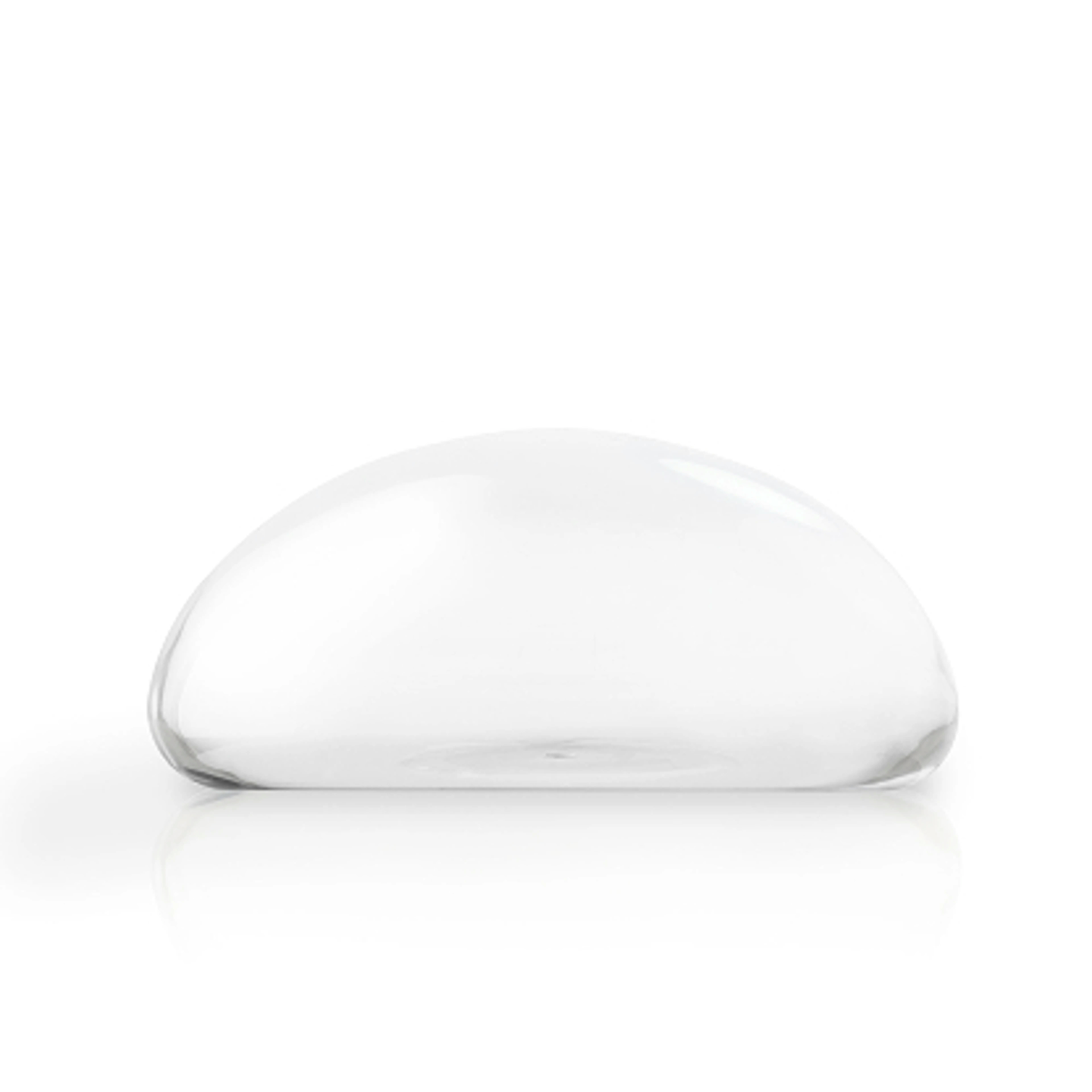
MemoryGel
Cohesive Silicone Gel In A Range Of Sizes And Profiles. Discuss The Exact Implant, Surface And Dimensions Available For Your Treatment.
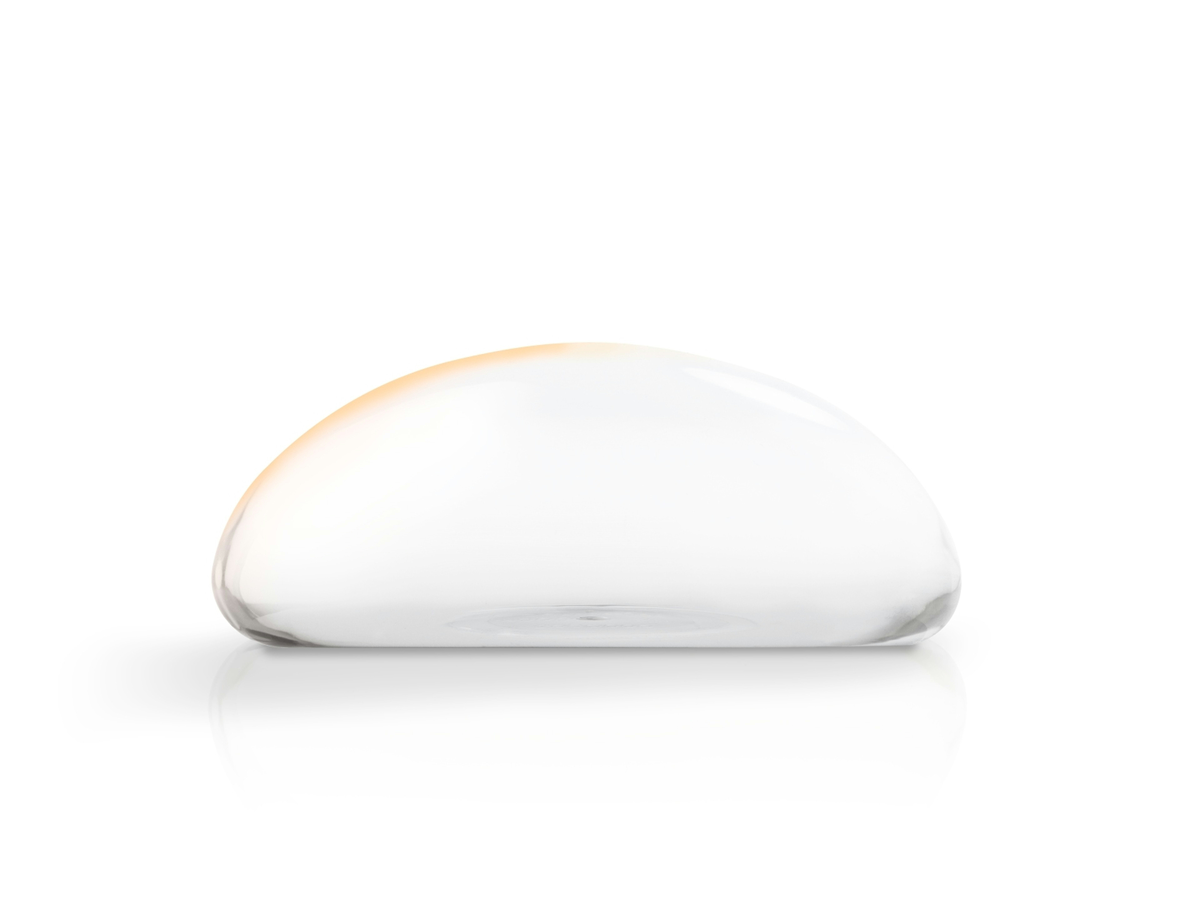
MemoryGel Xtra
Cohesive Silicone Gel Designed For Fullness And Projection. Discuss Base Width, Profile And Tissue Coverage To Find A Suitable Fit.
Motiva
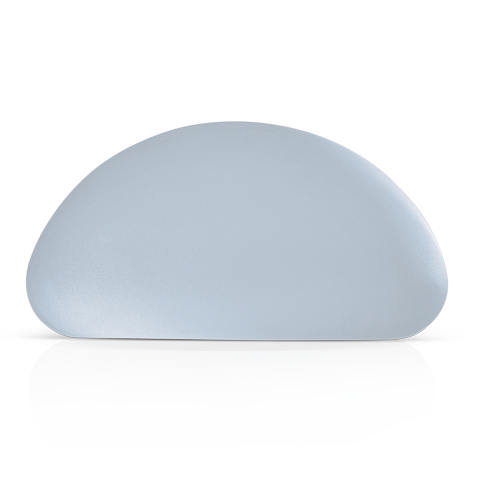
Round
A Round Implant With SmoothSilk / SilkSurface Technology. Compare Available Profiles And Dimensions With Your Surgeon.
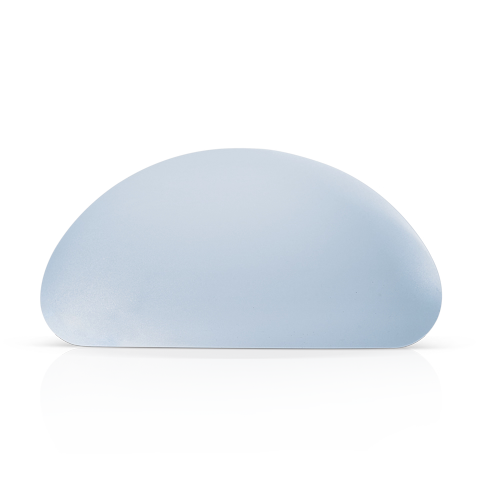
Ergonomix
Gel Designed To Adapt Its Shape As Body Position Changes. Your Own Tissue And The Implant Dimensions Also Influence The Result.
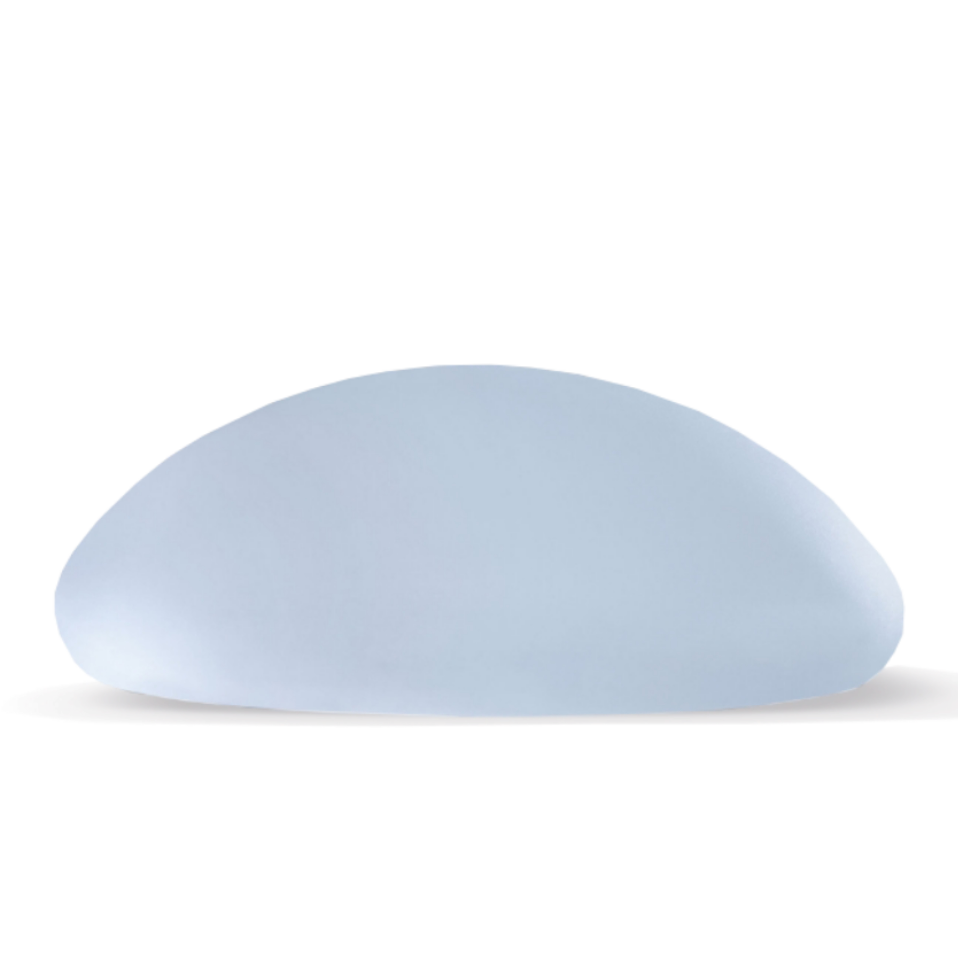
Ergonomix2
A Newer Generation Associated With The JOY Programme. Ask About Its Gel And Shell Technologies, Current Availability And Local Terms.
Product Images Show Implant Families, Not A Same-Size Comparison. Ask To See The Exact Implant Sample And Confirm Availability, Dimensions And Suitability During Your Consultation.
Before You Choose
Filling And Feel
Silicone Gel And Saline Have Different Characteristics. Silicone Rupture May Be Silent; Saline Deflation Can Change Breast Size. Confirm Which Options Are Available For Your Procedure.
Width And Projection
The Same Volume Can Come In Different Widths And Profiles. Your Surgeon Checks Breast Base Width And Tissue Coverage When Recommending Dimensions.
Surface And Safety
BIA-ALCL Risk Is Higher With Textured Implants Than Smooth Implants. Review The Exact Surface And Patient Information; Terms Such As Silk Or Nano Do Not Guarantee Freedom From Complications.
Records And Warranty
Keep Your Implant Card And Serial Or Lot Details. Confirm Registration Deadlines, Replacement-Device Cover And Surgical Fees. JOY Is A Programme Name; Benefits Depend On Local Terms.
Implant Placement And Incisions
Placement Describes Where The Implant Sits; The Incision Is Where It Is Inserted. Your Surgeon Plans Both Around Your Breast Tissue, Chest Anatomy, Implant And Activities.
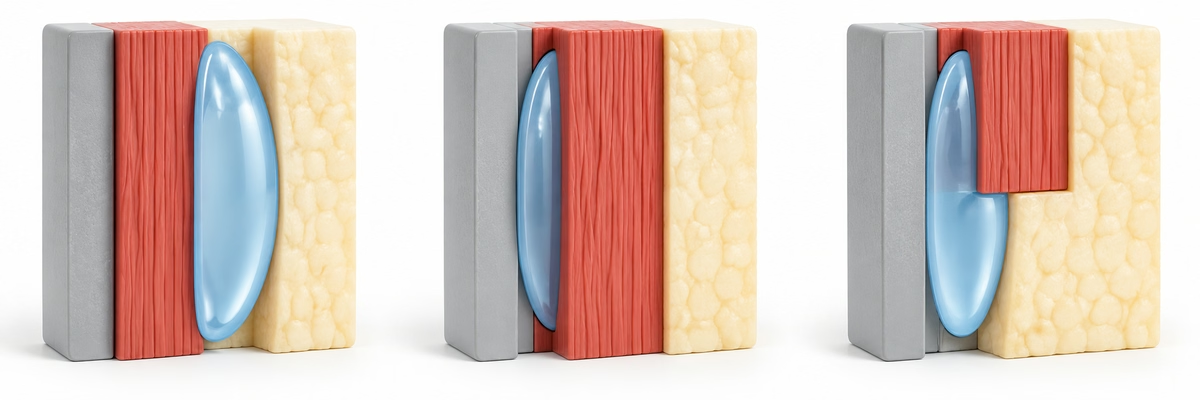
Above The Muscle
The Implant Sits Above Chest Muscle And Beneath Breast Tissue. Thin Tissue Coverage Can Make Implant Edges Or Rippling More Noticeable.
Beneath The Muscle
The Implant Sits Partly Or Fully Beneath Muscle. Coverage May Help Conceal Its Edges, But Muscle Movement Can Affect Breast Shape. Discuss Discomfort And Recovery.
Dual-Plane Placement
The Upper Implant Sits Beneath Muscle, While The Lower Part Sits Beneath Breast Tissue. This Is A Partial-Muscle Approach; Your Surgeon Tailors The Pocket To Your Anatomy.
Simplified Models Show Layer Relationships. Actual Muscle Coverage And Pocket Design Vary With Anatomy And Technique.
Choosing Your Incision
Every Incision Leaves A Scar. Ask Your Surgeon Which Route Fits Your Anatomy And What Scar Care To Expect.
Planning Your Consultation
Share Your Goals And Concerns. Use Your Visit To Understand Your Options, Their Limits And The Care You May Need.

Bring Your Records
Share Previous Surgery, Breast Imaging, Family History Of Breast Disease And Current Symptoms. For Revision Surgery, Bring Implant Records And Details Of Any Complications.
Discuss Your Options
Discuss Implant Options, Size, Placement And Incision, Whether A Lift Is Needed, And Alternatives. Ask What The Procedure Can Realistically Achieve.
Confirm Your Care
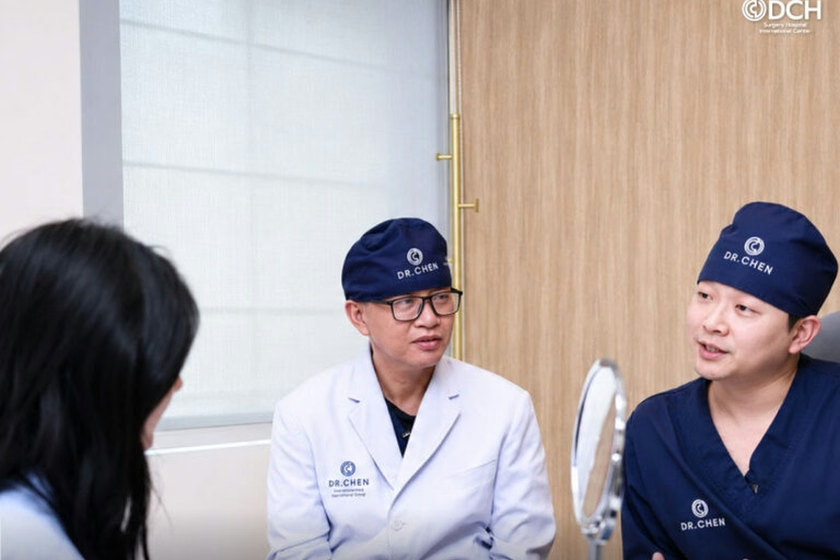
Confirm Your Surgeon’s Qualifications And Experience, Anaesthesia Arrangements And Follow-Up. Ask Who Will Review Your Recovery And How To Contact The Team Back Home.
Explore Your Shape In 3D
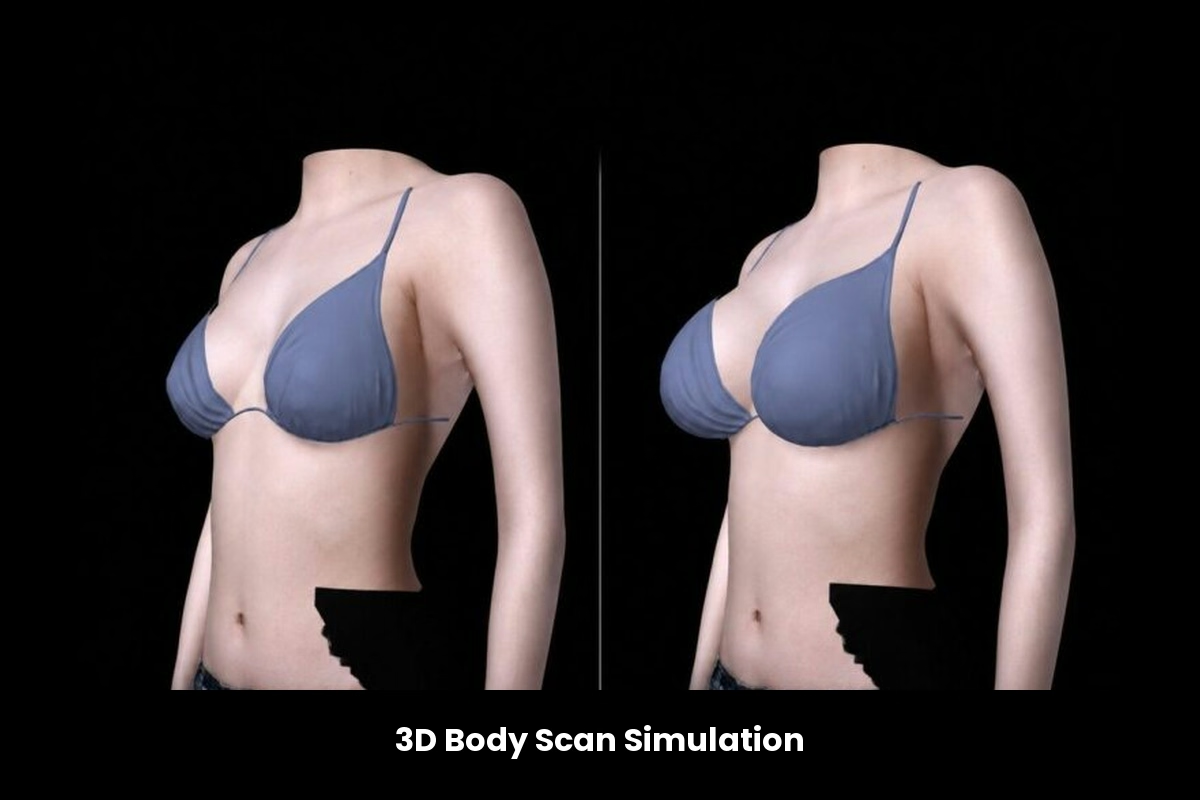
DCH’s 3D Body Scan Helps You Explore How Different Breast Sizes And Shapes May Look In Proportion To Your Body. Review The Preview With Your Surgeon Alongside Measurements And Implant Samples To Discuss Your Preferences, Existing Asymmetry And Realistic Possibilities. The Simulation Is A Planning Aid, And Actual Breast Shape, Healing, Scars And Implant Position Can Differ. Ask Whether The Scan Is Included In Your Consultation.
Breast Care At DCH Hospital
Explore DCH’s Consultation Tools And Hospital Facilities, Then Confirm The Care Arrangements Included In Your Plan.
Personal Assessment
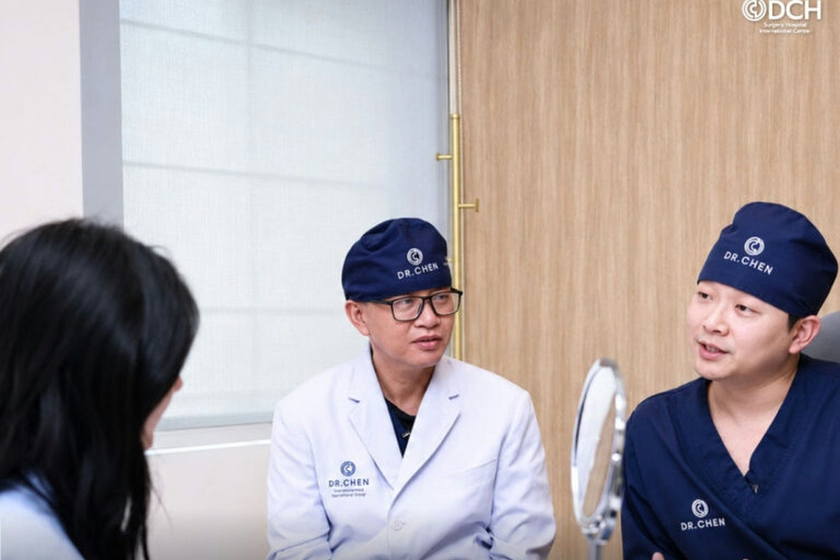
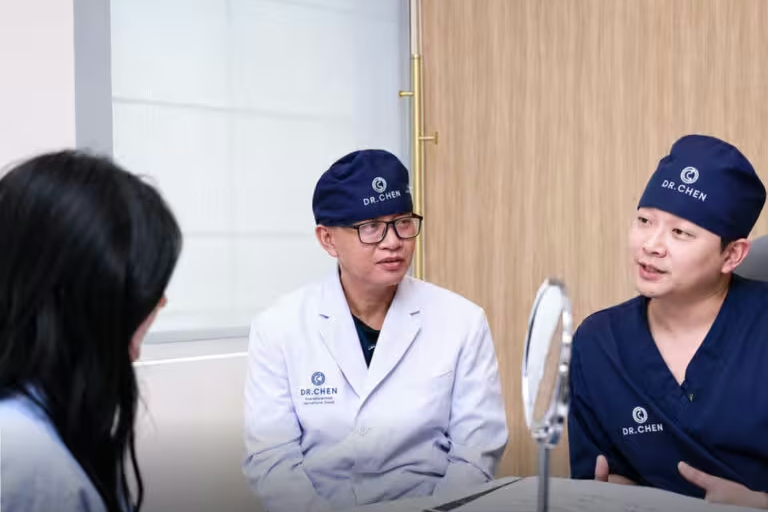
Your Breast Consultation Includes An Assessment Of Your Anatomy And Goals. Confirm The Operating Clinician And The Proposed Technique.
Handle Implant Samples
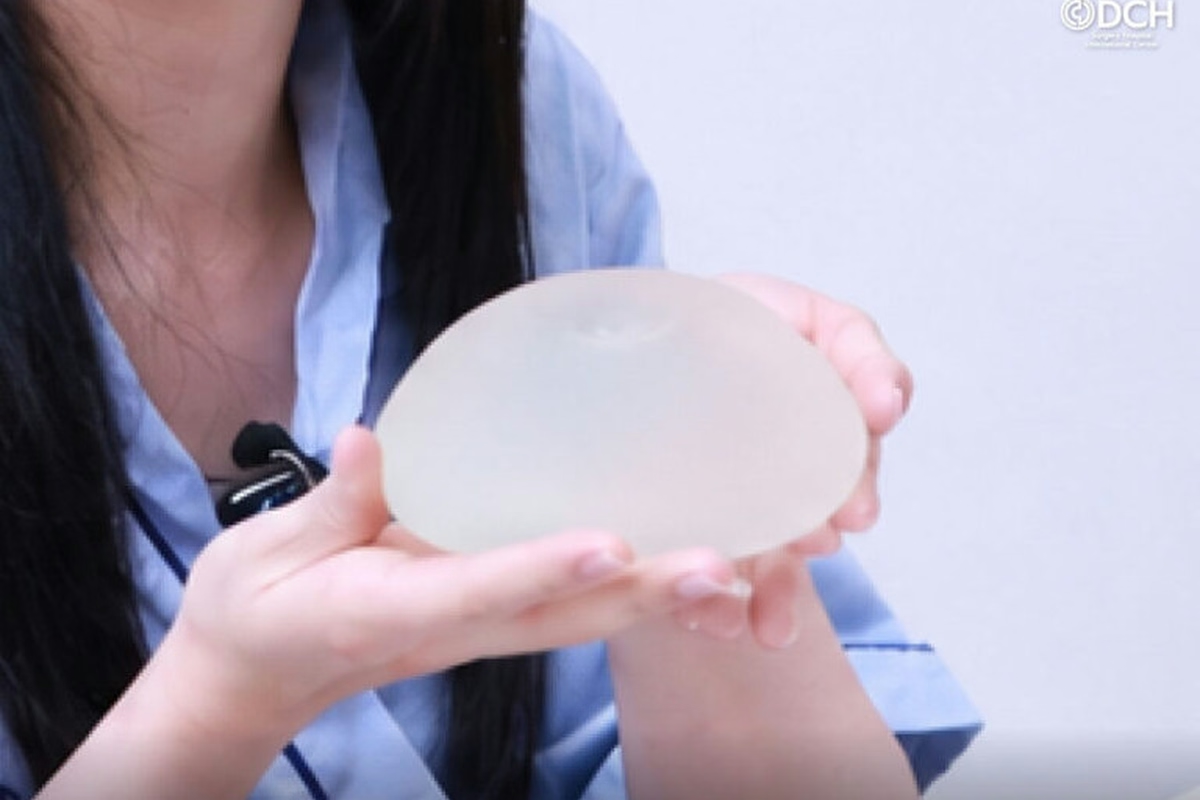
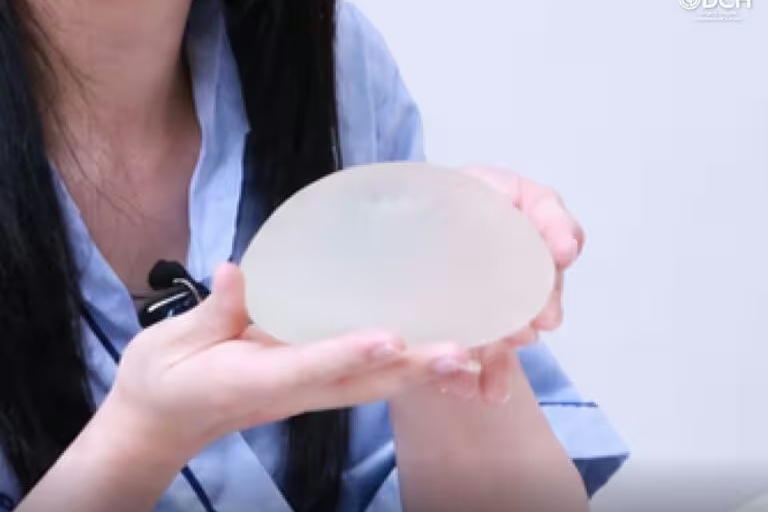
DCH’s Published Breast Service Includes Comparing Physical Implant Samples. Discuss Their Width, Projection And Feel, Then Relate Those Features To Your Measurements Rather Than Selecting A Device From A Photograph.
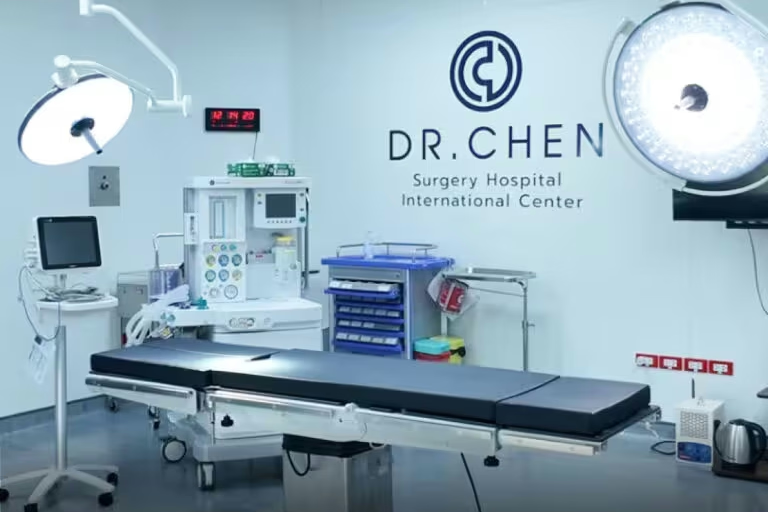
Hospital-Based Care
DCH Provides Surgery In Its Hospital Setting And Lists Private Inpatient Rooms And Nursing Care Among Its Facilities. Confirm The Anaesthesia Team, Planned Observation, Room Arrangements And Follow-Up Included In Your Own Quotation.
DCH Hospital Is Located At 216 Ramkhamhaeng Road, Rat Phatthana, Saphan Sung, Bangkok 10240. Airport Transport And Other Support Services Should Be Confirmed With The Team Before Travel.
Explore Your Preferred Look
Bring Visual References To Discuss Your Preferred Proportions, Fullness And Style With Your Surgeon. Your Anatomy And Assessment Guide What Is Suitable For You.

Use Patient Stories To Prepare Questions About Recovery And Care. Another Person’s Appearance Does Not Predict Your Own Result.
Explore DCH Patient ReviewsPreparing For Surgery
Prepare For Your Hospital Visit And Your First Days At Home. Follow Your Treating Team’s Instructions For Your Health, Medicines And Surgical Plan.

Medicines And Health Checks
Share Your Medicines And Supplements, And Complete Any Requested Tests Or Breast Assessment. Confirm What To Continue Or Adjust; Do Not Stop Prescribed Treatment Without Your Clinician’s Advice.
Smoking And Anaesthesia
Discuss Smoking, Vaping And Nicotine Use Early. Confirm Your Fasting, Medicine And Arrival Instructions, And Tell The Team If You Become Unwell Before Surgery.
Plan Your Recovery At Home
Arrange Support
Organise An Adult Escort And Help At Home As Advised By Your Team.
Pack The Essentials
Choose Front-Opening Clothes And Keep Everyday Items Within Easy Reach.
Make Time To Rest
Plan Time Away From Work, Lifting And Exercise Around Your Surgeon’s Restrictions.
Your Surgery Journey
Your Team Confirms The Plan Before Surgery And Monitors Your Condition Through The Procedure And Recovery. The Details Depend On Your Operation And Health.
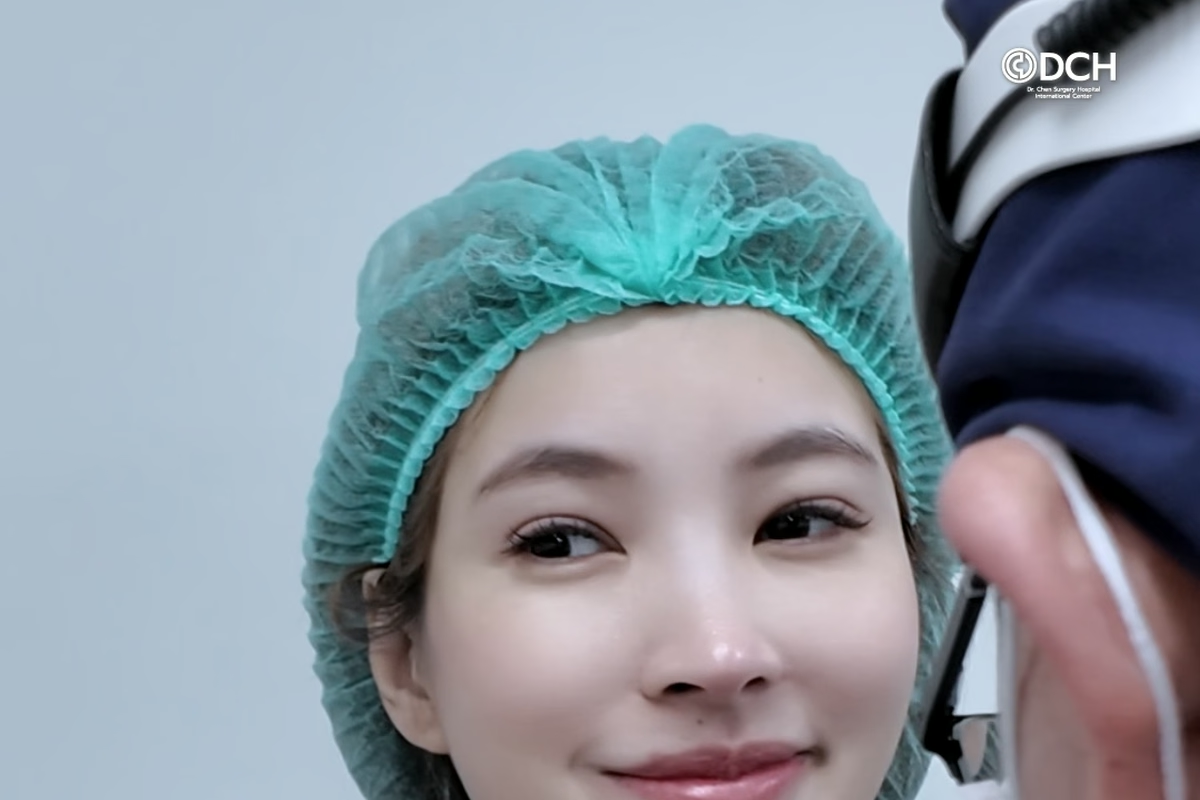
Before Surgery
The Team Checks Your Health, Consent And Agreed Implant And Surgical Plan. Your Surgeon Confirms The Planned Markings, And The Anaesthesia Team Reviews How You Will Be Cared For During The Procedure.
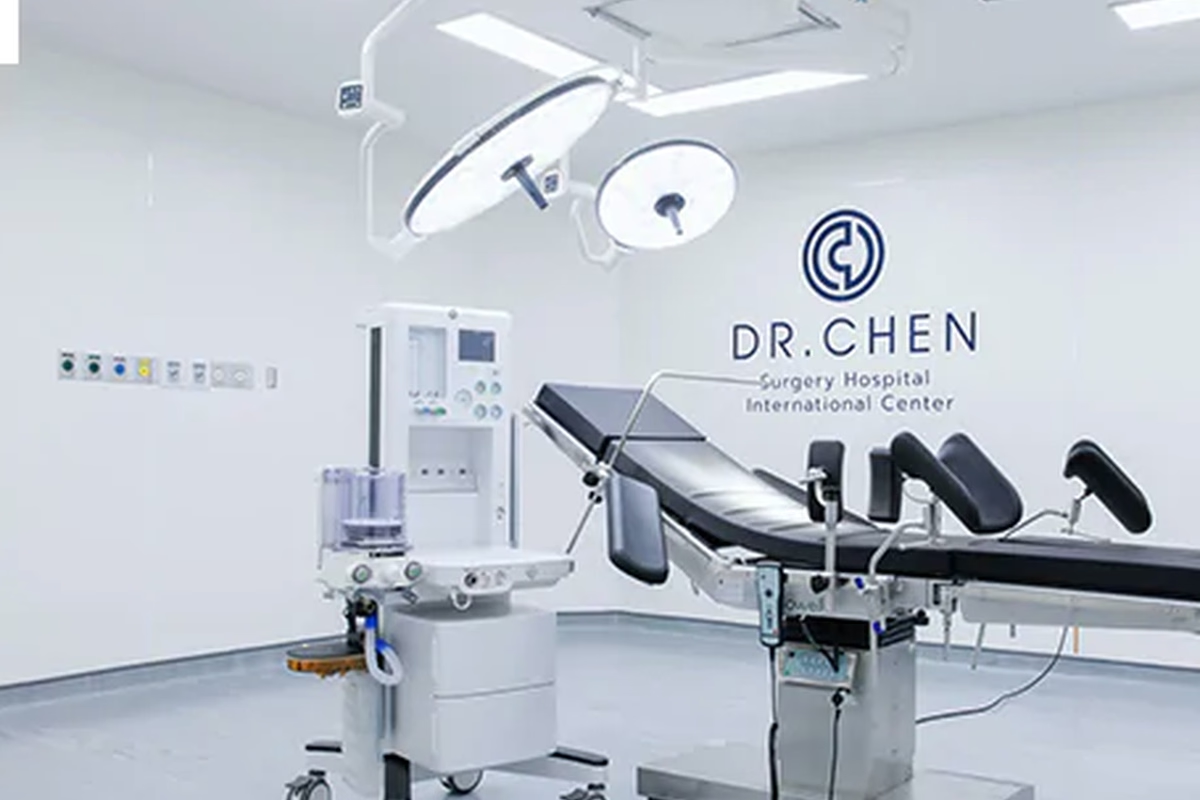
During Surgery
The Surgeon Creates The Planned Pocket, Places The Implant And Closes The Incisions. Anaesthesia And Monitoring Are Provided Throughout. The Duration And Any Overnight Stay Depend On The Procedure And Your Recovery.
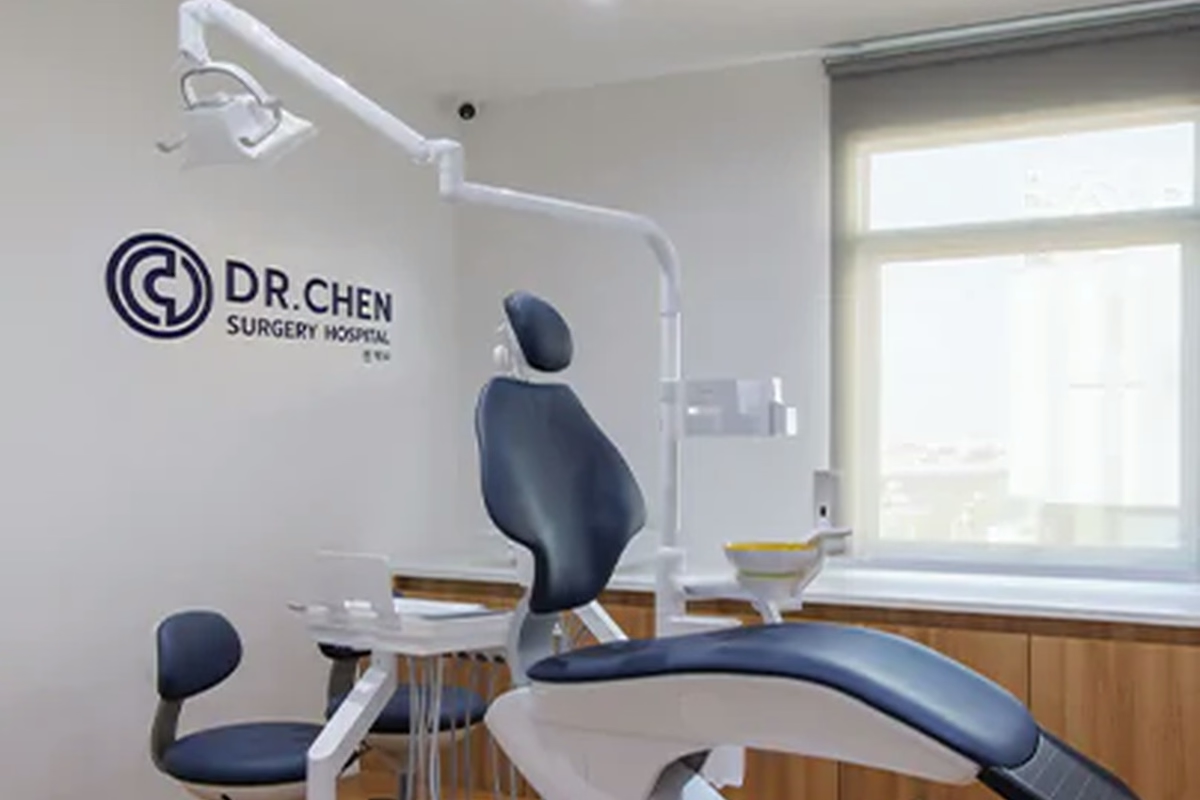
After Surgery
You Are Observed While The Team Checks Comfort And Recovery. Before Discharge, Confirm Your Wound Care, Support Garment, Medicines And Review Appointments, Together With The Contact Route For Concerns.
Recovery And Returning To Routine
Plan A Gradual Return To Daily Life. These Typical Milestones Follow Implant Augmentation; A Lift, Revision Or Physical Job May Need More Time. Your Surgeon’s Advice Guides Each Step.
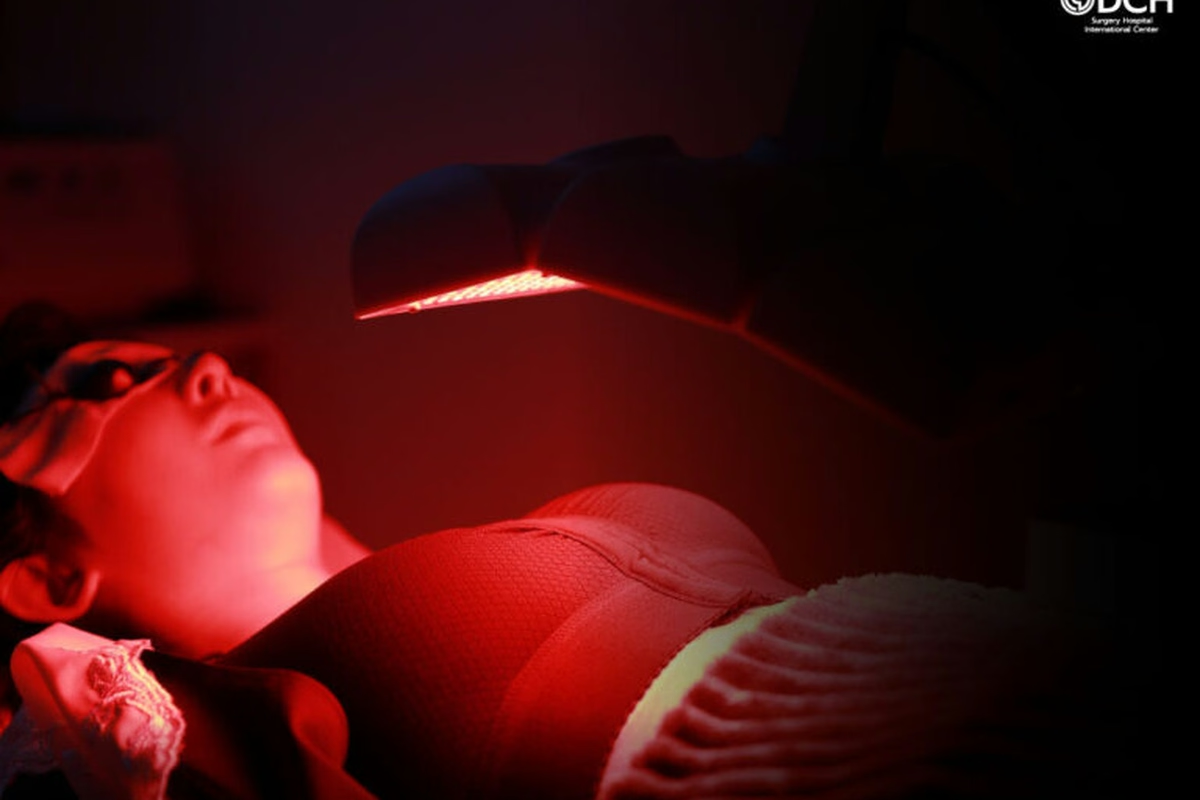
The First Days
Soreness, Tightness And Swelling Are Common. Follow Your Medicine And Wound-Care Plan, And Arrange Help With Childcare, Lifting And Transport.
Weeks 1–2
Many People Allow This Time Away From Work. Desk Work May Resume After Review; Manual Work And Heavy Bags Can Need Longer.
The First Month
Avoid Heavy Lifting And Strenuous Exercise For At Least A Month, Or Longer If Advised. Ask Before Restarting Chest Training Or Swimming.
From Week 6
Many Patients Resume Most Activities Around Six Weeks After Review. Shape Continues To Settle Over The Following Months; Keep Your Follow-Up Appointments.
Your Aftercare Essentials
- Daily Care
- Follow Your Support-Bra And Showering Instructions. Start Scar Products, Massage Or Implant Exercises Only When Advised.
- Driving
- Wait For Clearance, Comfortable Vehicle Control And Freedom From Medicines That Affect Alertness.
- Follow-Up
- Keep Written Review Dates And Your Team’s Contact Details. Allow Time For Extra Checks Before Travelling Home.
Long-Term Implant Care
Breast Implants Are Not Lifetime Devices. Keep Your Records, Continue Breast Screening And Plan Ongoing Implant Checks With Your Clinician.
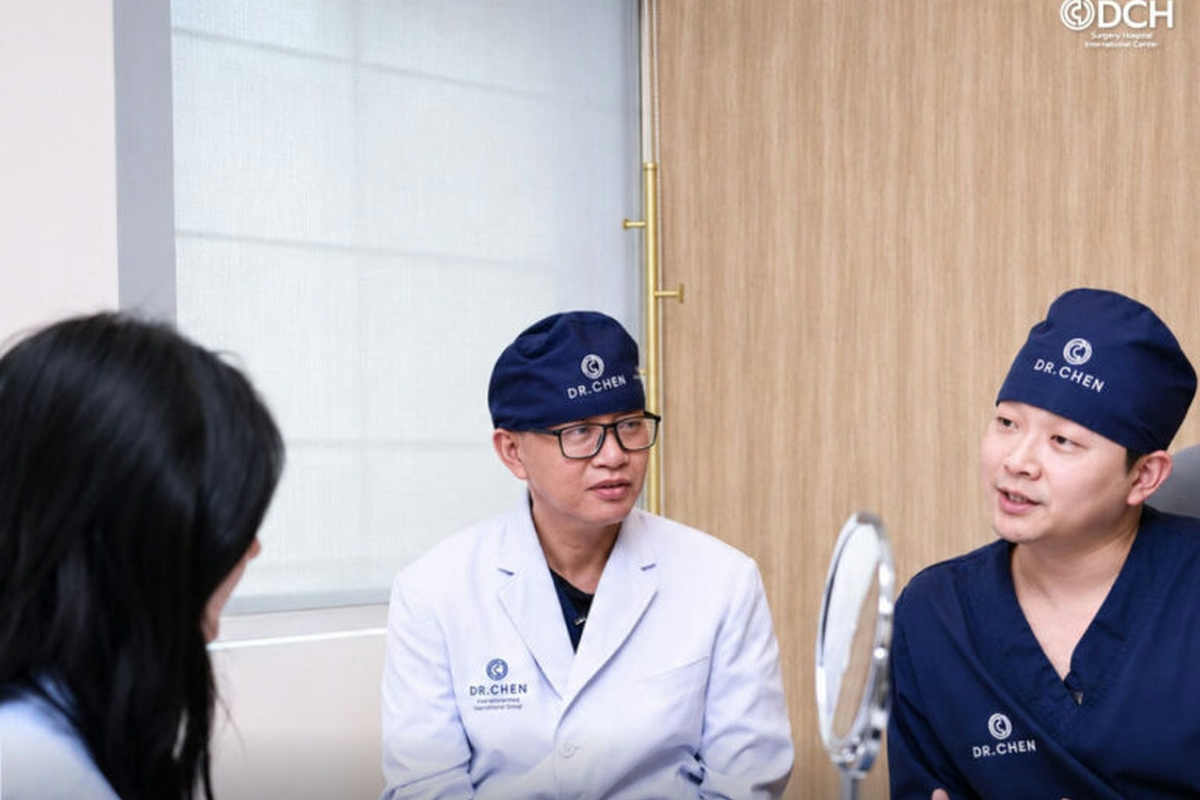
Keep Your Records
Keep Your Implant Card And Operation Details Together. Bring Them To Future Appointments So Clinicians Can Identify Your Implant And Check Relevant Safety Updates.
Screening And Implant Checks
Continue Breast Screening For Your Age And Risk, And Tell The Imaging Team You Have Implants. Discuss Separate Ultrasound Or MRI Checks For Silent Silicone Implant Rupture With Your Clinician.
Changes To Have Checked
Report Persistent Swelling, Lumps, Pain, Hardening Or Shape Changes. Further Surgery Depends On Your Symptoms, Clinical Assessment And Preferences, Rather Than A Fixed Replacement Date.
Risks And Realistic Expectations
Every Operation Has Risks. Discuss How Your Health, Tissue, Implant Choice And Any Combined Procedure Affect The Benefits And Limitations In Your Own Case.
Surgery And Healing
Bleeding, Infection, Fluid Build-Up And Anaesthetic Complications Are Possible. Healing May Be Delayed, And Scars Or Sensation Changes Can Persist.
Implant Problems
Tightening Scar Tissue (Capsular Contracture) Can Cause Firmness Or Pain. Rupture, Movement, Visible Edges Or Rippling May Need Further Surgery.
Other Health Risks
BIA-ALCL And Other Rare Cancers Have Been Reported Around Implants. Breast Implant Illness Describes Reported Systemic Symptoms Whose Causes Remain Unclear.
Results Over Time
Perfect Symmetry Or A Specific Cup Size Cannot Be Guaranteed. Pregnancy, Weight Changes And Ageing Can Alter Shape; Revision May Be Needed.
Your DCH Medical Team
Review The Published Backgrounds Of DCH Physicians, Then Confirm Which Surgeon Will Assess You And Perform Your Proposed Breast Procedure.

Dr. Chidpong Thongkum
Dr. Ped · Physician At DCH Hospital
His DCH Profile Lists Breast Augmentation Consultations, With Recognised Specialties In ENT And Family Medicine And A Subspecialty In Facial Plastic And Reconstructive Surgery. Thai Medical Licence No. 14270.
View Dr. Ped’s Profile
Dr. Chen Chaicharncheep
Founder And Physician At DCH Hospital
M.D., Chiang Mai University, With A Recognised Specialty In Orthopaedics. Confirm The Surgeon And Care Team Responsible For Your Breast Procedure During Consultation. Thai Medical Licence No. 51245.
View Dr. Chen’s Profile