Hair Transplant in Bangkok: FUE and FUT Guide

What a Hair Transplant Can—and Cannot—Do
Hair transplantation moves follicular-unit grafts from a donor area to an area of thinning or baldness. It does not create new follicles, and it is not the right treatment for every cause of hair loss.
Suitability depends on the diagnosis, pattern and stability of hair loss, donor density, scalp health, medical history, medicines and a long-term plan for hair that may continue to thin outside the transplanted area. A consultation should set realistic expectations for coverage, scarring, recovery and future treatment.
Request a Hair Transplant ConsultationIs Hair Transplant Suitable for You?
A clinical assessment should identify the cause of hair loss before surgery is considered. Pattern hair loss with a stable donor area may be suitable, while patchy, inflammatory, autoimmune, nutritional, hormonal or medicine-related hair loss may require investigation or treatment first.
Diagnosis and Stability
Review the pattern, pace and likely cause of hair loss rather than treating every form of thinning as a surgical problem.
Donor Capacity
Assess donor density, hair calibre, scalp health, previous procedures and the risk of visible depletion before estimating coverage.
Long-Term Planning
Consider smoking, medicines, healing history, hairstyle preferences and hair that may continue to thin outside the transplanted area.
How Hair Transplant Works
The procedure has separate donor-harvesting and recipient-placement stages. Follicular units are collected from a planned donor area, prepared and placed into recipient sites following an agreed hairline, direction and density plan.
Assess
Confirm diagnosis, donor supply, scalp condition, goals and future-loss risk.
Plan
Agree the hairline, recipient area, graft estimate, scars and realistic coverage.
Harvest
Collect follicular units with an FUE or FUT donor-harvesting approach.
Place and Follow Up
Place grafts according to the plan, then protect them during early healing and attend follow-up.
The number of grafts and achievable density vary by donor supply, hair characteristics, recipient area, previous surgery and the need to preserve options for future hair loss.
FUE and FUT Donor Harvesting
Follicular Unit Excision (FUE)
Individual follicular units are excised through small punch incisions. FUE avoids one linear donor scar but is not scarless; small scars, donor thinning and overharvesting remain possible.
Follicular Unit Transplantation (FUT)
A strip of donor scalp is removed and divided into follicular-unit grafts. FUT leaves a linear donor scar and requires wound closure, but it may be considered when donor characteristics, graft needs and long-term planning support it.
Implantation Options and DHI
Direct Hair Implantation (DHI) describes placement with a sharp implanter that creates a recipient incision and places the graft. It is an implantation technique, not a separate donor-harvesting method or evidence that one overall transplant plan is superior.
“Advanced Micro-FUE” may be used as an FUE service label, but claims of superiority, scarless treatment, faster healing or suitability for limited donor hair require current documentation for the exact equipment and protocol.
Planning a Hair Transplant in Bangkok
Clinical and Surgical Plan
Document the diagnosis, donor and recipient assessment, proposed hairline, graft estimate, who performs each surgical step, anaesthesia plan, expected scars, aftercare and support if a complication occurs.
Travel and Follow-Up
International patients should discuss how long to remain in Bangkok, when the first follow-up is due and how later reviews will be handled after travel.
Risks, Recovery and Long-Term Hair Loss
Expected Early Effects
Soreness, tightness, swelling and scabbing can occur. Transplanted shafts commonly shed before later regrowth. New hair may start to appear after several months, while fuller maturation can take about 10 to 18 months; individual timing varies.
Possible Surgical Problems
Discuss bleeding, infection, anaesthetic reaction, numbness, folliculitis, visible scarring, temporary shock loss, poor graft growth, an unnatural hairline or density, donor depletion and dissatisfaction with the result.
Hair outside the transplanted area may continue to thin, so the design should allow for future change. Follow the treating team’s washing, medicine, activity and graft-care instructions.
Why Choose DCH Hospital for Consultation?
A useful consultation should provide a documented assessment, personalised donor and hairline planning, a transparent explanation of FUE and FUT, an implantation approach, expected scars and a defined follow-up route.
- Clarify the cause and stability of hair loss before surgery.
- Protect donor supply when planning coverage and future options.
- Identify who performs each surgical step and how complications are handled.
- Agree aftercare and follow-up before treatment.

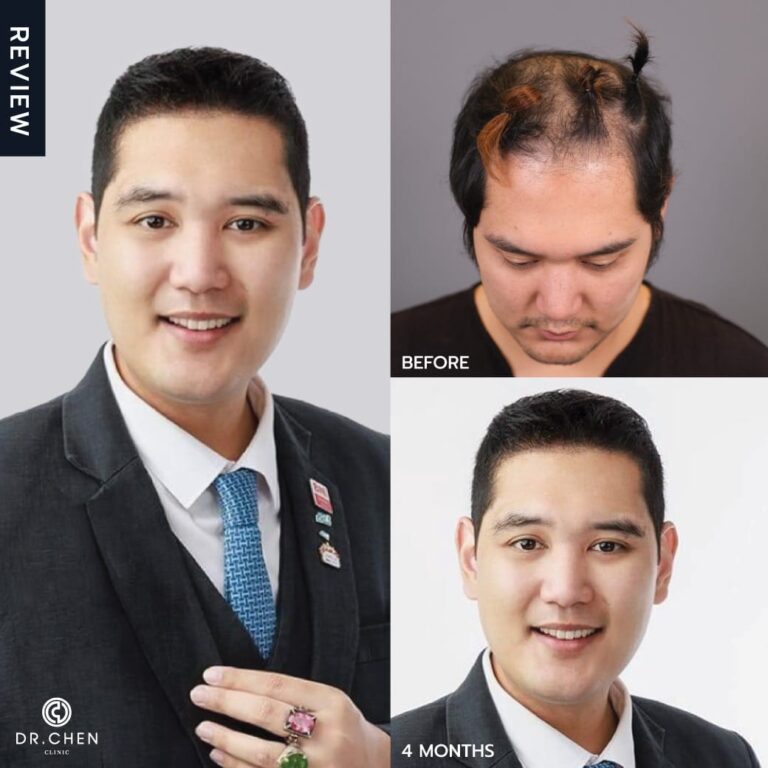
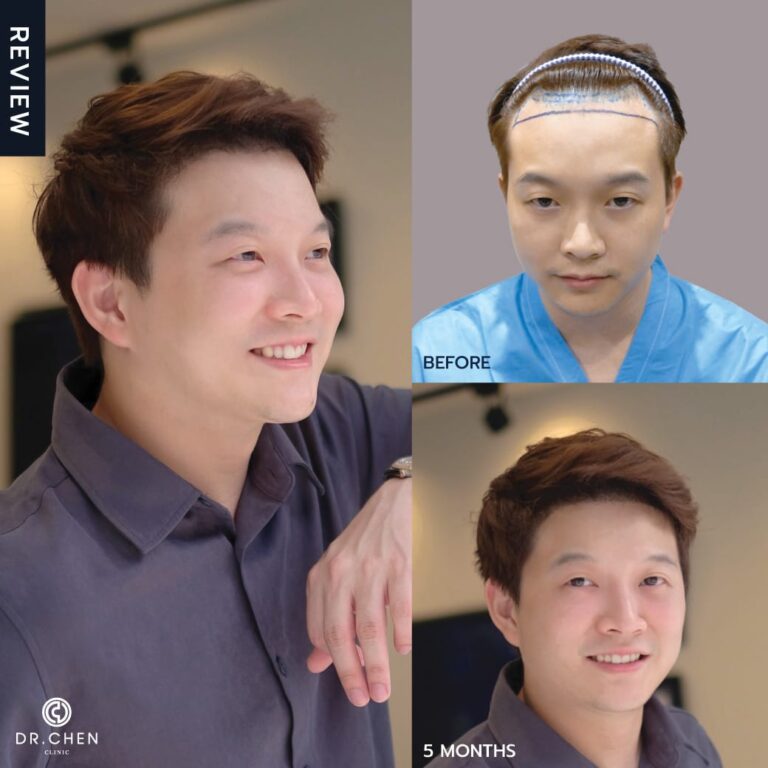
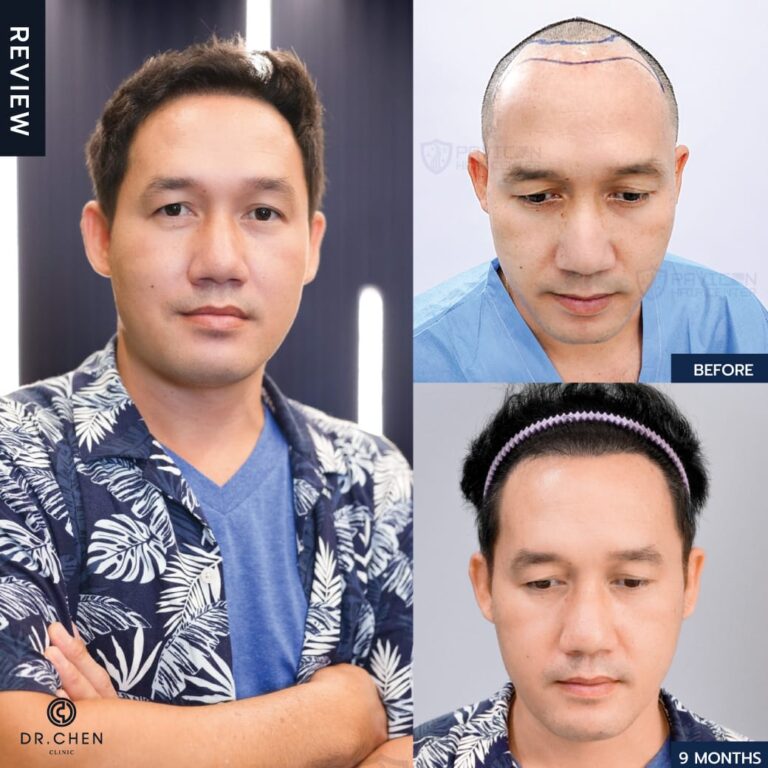
Selected Hair Transplant Results
These approved patient images are individual examples, not a promise that every patient will achieve the same density, hairline or growth. Outcomes vary with donor supply, hair characteristics, surgical plan, healing and ongoing hair loss.


Continue Your Hair Transplant Research
Use these patient guides to prepare questions about donor harvesting, early recovery and older transplant terminology. The automatic related-article section below remains connected to the current English article library.
Hair Transplant Frequently Asked Questions
Hair transplantation may suit some adults with pattern hair loss and a stable donor area. It is not appropriate for every cause of hair loss. The decision should follow a diagnosis, donor and scalp assessment, medical-history review and discussion of future hair loss.
FUE removes individual follicular units through small punch incisions and leaves many small donor scars. FUT removes a strip of donor scalp and leaves a linear scar. Donor supply, graft needs, hairstyle, healing and long-term planning help determine which option may be appropriate.
DHI describes an implantation technique that uses a sharp implanter to create a recipient incision and place the graft. It does not replace the need to identify how grafts are harvested, such as FUE or FUT, and it does not by itself prove a better result.
Hair from a stable donor area can be long-lasting after transplantation, but graft growth is not guaranteed and untreated hair may continue to thin. The plan should consider donor stability, future hair loss and the possible need for ongoing treatment or later surgery.
FUE does not create one linear donor scar, but it is not scarless. Each punch incision can leave a small scar, and aggressive harvesting can cause visible thinning or a patchy donor appearance.
The scalp commonly feels sore, tight or swollen for several days, and the grafts need careful handling during the early recovery period. Transplanted shafts often shed before regrowth. New hair may start to appear after several months, while fuller maturation can take about 10 to 18 months. Individual timing varies.
Discuss bleeding, infection, anaesthetic reaction, pain, swelling, numbness, folliculitis, scarring, temporary shock loss, poor graft growth, an unnatural hairline or density, donor depletion and ongoing hair loss outside the transplanted area.
A graft estimate depends on the recipient area, donor density and calibre, hair characteristics, previous procedures, desired coverage and the need to preserve donor supply for future hair loss. A responsible estimate requires an in-person or clinically appropriate assessment.
Plan Your Hair Transplant Consultation
Discuss the diagnosis, donor capacity, FUE and FUT, implantation approach, graft estimate, scars, risks, recovery and long-term hair-loss plan with the DCH Hospital team.
Request a Hair Transplant Consultation