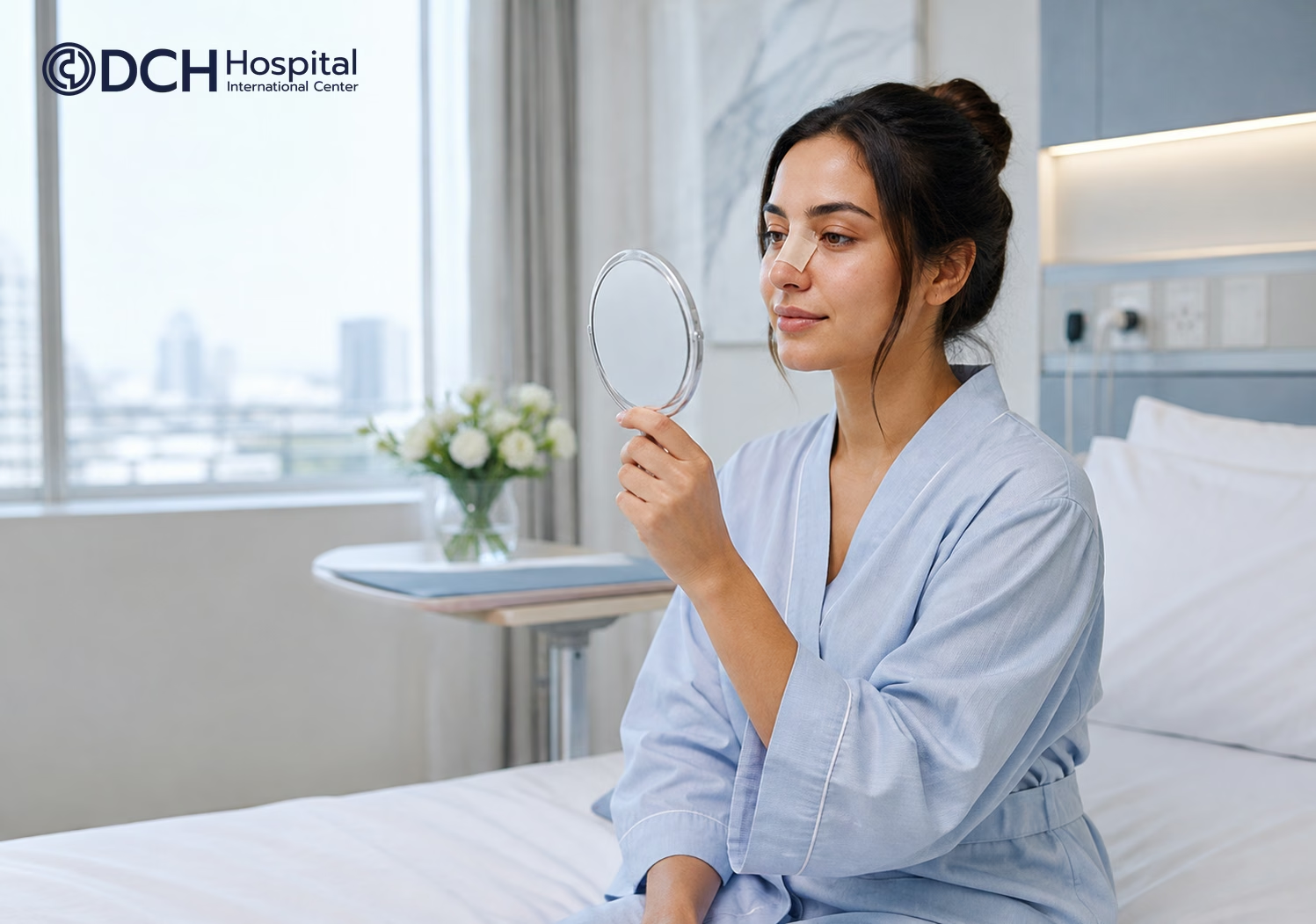
Endoscopic Brow Lift Recovery in Bangkok
If you live or work in Thailand, planning an endoscopic brow lift involves more than choosing a surgery date. You also need a realistic recovery window for work, commuting, exercise, social plans and follow-up appointments.
Most people notice the greatest swelling and bruising during the early days. Many may feel ready for desk-based work after about 10 to 14 days, while residual swelling, tightness or altered sensation can continue for weeks or months. Your exact brow lift recovery time depends on the surgical plan, whether other procedures are performed and how your body heals.
This guide explains a typical recovery pattern in clear terms. It is general information, not a personal recovery schedule. Your surgeon's written instructions and follow-up advice always take priority.
Endoscopic Brow Lift Recovery at a Glance
Rest, protect the operated area and expect swelling, tightness, bruising or temporary numbness.
Swelling and bruising may remain visible. Incisions need protection and follow-up may be arranged.
Many people can consider returning to desk-based work if they feel comfortable and their surgeon agrees.
Everyday activity generally becomes easier, but strenuous exercise still requires medical clearance.
Residual swelling and changes in scalp or forehead sensation may continue to settle gradually.
These are broad ranges, not promises. A person who has a brow lift alone may have a different experience from someone combining it with eyelid surgery, a facelift or another procedure.
The First 24 to 48 Hours
The medical team will monitor your early recovery and explain how to care for the incisions. Depending on the technique and surgeon's plan, you may have a light dressing and specific instructions about washing your hair, sleeping position, medication and follow-up.
During this stage, you may notice:
- Swelling around the forehead, brows or upper eyelids
- Bruising that can extend around the eyes
- A feeling of tightness across the forehead
- Tenderness or mild-to-moderate discomfort
- Temporary numbness, tingling or an unusual scalp sensation
Keep your head elevated when instructed and avoid pressure on the forehead or incision areas. Do not change dressings, apply skincare products, use heat or ice, or take extra medication unless your treating team has approved it.
Days 3 to 7: Early Swelling and Follow-Up
Swelling and bruising can still be easy to see during the first week. The area may look uneven as different tissues settle at different speeds. This does not automatically indicate the final position or result.
Protect the incisions from rubbing, scratching and accidental impact. If your incisions are within the hairline, follow the team's instructions for hair washing and avoid hair products or treatments until they are permitted. Do not pull the hair tightly around healing areas.
Your first review may occur during this stage or later, depending on the surgical plan. At follow-up, the team can assess the incisions, discuss swelling and explain the next steps. Never remove stitches, clips or dressings yourself unless you have been specifically told to do so.
Days 10 to 14: Returning to Work
Professional guidance from the American Society of Plastic Surgeons and Cleveland Clinic notes that many patients may return to work or usual daily activity at around 10 to 14 days. This is a useful planning range, but it is not a deadline.
You may still have visible swelling, bruising or mild tightness. If you work from home or have a quiet desk-based role, returning may be easier than if your job involves lifting, heat, dust, frequent bending or a risk of facial impact. Consider whether you can commute comfortably and attend follow-up appointments without rushing.
If being on camera or meeting clients is important, allow extra time for visible changes to settle. A medically acceptable return to work does not always mean you will feel ready for every social or professional situation.
Weeks 3 to 6: Resuming More Activities
By this stage, early bruising usually continues to fade and everyday routines may feel more comfortable. The forehead or scalp can still feel tight, numb, itchy or unusually sensitive. These sensations often change gradually rather than disappearing on a single day.
Walking and light daily movement may be allowed earlier, but strenuous exercise, heavy lifting, inverted positions and contact activities can place extra stress on healing tissues. Resume them only after your surgeon confirms that your recovery is progressing appropriately.
Continue protecting healing incisions. Ask before using hair colour, strong skincare, facial massage, helmets, tight hats or any item that places pressure near the treated area.
The Following Months: Long-Term Healing
Early swelling can improve substantially within the first few weeks, but complete healing takes longer. Residual swelling may continue to settle, incision lines usually mature gradually and temporary changes in sensation can improve over several months.
Do not judge the final brow position too early. Swelling, tissue tightness and natural asymmetry can affect how the forehead and brows look during recovery. Cleveland Clinic notes that full healing may take up to six months, although the visible recovery period is often much shorter.
Keep scheduled follow-up appointments even when you feel well. They allow your surgeon to compare progress over time and advise when you can safely return to more demanding activity.
What Can Affect Brow Lift Recovery Time?
Surgical Plan and Extent of Lifting
The number and position of incisions, the amount of tissue repositioning and the chosen fixation method can influence swelling, tightness and recovery. Your surgeon should explain the planned approach during consultation.
Combined Procedures
An endoscopic brow lift may be performed alone or alongside eyelid surgery, a facelift or another facial procedure. Combined surgery may involve more swelling, more areas to protect and a longer period away from normal activity.
Individual Health and Healing
General health, nicotine exposure, medication, previous surgery, skin and soft-tissue characteristics, and your body's healing response can all matter. Give your medical team a complete health history and ask before changing regular medication.
Aftercare and Follow-Up
Written aftercare instructions are tailored to the procedure. Following them, protecting the surgical area and attending reviews helps the team monitor healing and respond to questions early.
General Aftercare Principles
Your own discharge instructions are the main reference. General principles may include:
- Keep the head elevated while resting when advised
- Avoid pressure, rubbing or impact around the forehead and incisions
- Take only prescribed or approved medication as directed
- Keep dressings and incision areas dry when required
- Delay vigorous exercise and heavy lifting until cleared
- Ask before applying skincare, makeup, hair products, heat or cold near the treated area
- Avoid smoking and nicotine as advised by your medical team
- Attend every planned follow-up appointment
If an online guide conflicts with your surgeon's instructions, follow the surgeon who knows your operation and medical history.
When Should You Contact the Medical Team?
Contact the treating team if a symptom concerns you, becomes worse rather than better, or does not match the instructions you received. Seek prompt medical advice for significant bleeding, rapidly increasing swelling, fever, unusual discharge, severe or worsening pain, breathing difficulty, a sudden change in vision, or a sudden deterioration in your condition.
Use the hospital's emergency contact instructions when urgent help is needed. Do not wait for a routine follow-up appointment if you are worried about a new or rapidly changing symptom.
Returning to Work and Daily Life in Thailand
For foreign residents in Bangkok and other parts of Thailand, a useful recovery plan should fit your real routine. Think about how you travel to work, whether your role is remote or client-facing, and whether your workplace involves physical activity.
Try to keep the early recovery period free from unnecessary appointments. Arrange help with errands if needed, prepare simple meals in advance and keep your follow-up dates available. If your commute is crowded or physically demanding, ask when it is sensible to resume it.
Remote work can reduce travel, but long video calls and a full schedule may still be tiring. A gradual return can be more practical than treating day 10 or day 14 as a guaranteed finish line.
Recovery Planning for Foreign Residents
Before surgery, make sure you understand the procedure, expected follow-up schedule, medication instructions and who to contact outside normal hours. Keep this information in English if that is the language you use for medical decisions.
If you expect to travel within Thailand or internationally during recovery, discuss the timing with your surgeon before booking. The appropriate plan depends on your healing, the extent of surgery and whether another procedure is performed at the same time.
For an overview of the procedure, visit our Endoscopic Brow Lift service page.
Plan Your Recovery with the DCH Hospital Team
Explore the procedure, consultation process and treatment planning before deciding whether it fits your needs and schedule in Thailand.
Endoscopic Brow Lift Recovery FAQs
Many people may return to desk-based work in about 10 to 14 days, while swelling, tightness and altered sensation can continue to improve for several weeks or months. Complete healing may take longer. Your surgeon can give a more personal estimate after assessing the planned procedure and your health.
Desk-based work may be possible at around 10 to 14 days for many patients. Physically demanding work, jobs with a risk of facial impact or roles where visible bruising matters may require more time or temporary adjustments.
Swelling and bruising are often most noticeable during the early days and usually improve over the first few weeks. Mild residual swelling can remain longer and may not settle evenly from side to side.
Light activity and strenuous exercise do not follow the same timetable. Avoid heavy lifting, vigorous exercise and contact activity until your surgeon confirms that the healing tissues can tolerate them.
Temporary numbness, tingling, itching or altered sensation can occur around the forehead and scalp. These sensations often change as healing progresses. Contact the medical team if the symptom is severe, suddenly worsens or concerns you.
The brows may look different once early swelling decreases, but the area continues to settle over time. Residual swelling and incision maturation can take several months, so the result should not be judged during the earliest recovery stage.