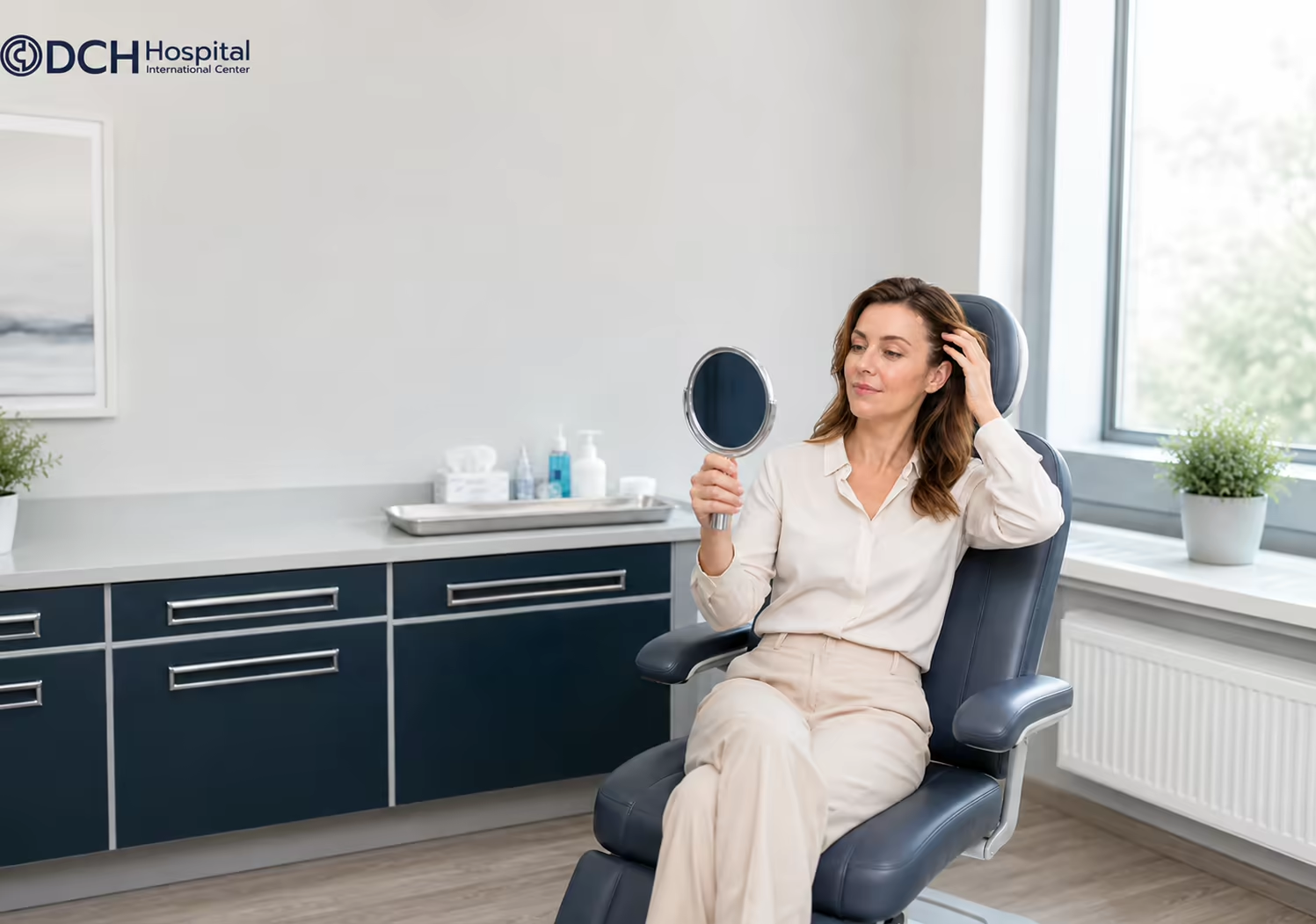
Ultracol PDO Microsphere Treatment

Ultracol PDO Microspheres: What to Know
Ultracol is an injectable medical device made with biodegradable polydioxanone (PDO) microspheres. The manufacturer states that its Korean MFDS-authorized intended use is temporary improvement of bilateral nasolabial folds. It is not a surgical thread lift.
Before treatment, a licensed clinician should confirm the exact product, local authorization, intended area, medical history, medicines, previous injectables or procedures and goals. Results and recovery vary. Injection can cause common local reactions and rare serious complications, so benefits, alternatives, risks and warning signs should be discussed before deciding.
Request a ConsultationProduct Status and Intended Use
Authorization
The manufacturer states Class IV authorization.
Nasolabial Folds
Temporary improvement of bilateral folds beside the nose and mouth.
EU MDR
The manufacturer reports conformity assessment under the European medical-device framework.
Verify Locally
Confirm the exact Thai registration, product label and intended use before treatment.
Treatment Goals and Evidence Limits
Nasolabial Folds
The stated Korean intended use is temporary improvement of bilateral folds beside the nose and mouth.
Skin Texture and Volume
Small clinical studies have assessed these outcomes, but they do not guarantee an individual result.
Individual Response
The degree, timing and duration of change can vary.
Product and Plan
Confirm the formulation, amount, technique and session plan proposed for you.
Alternatives
Compare reasonable options based on the exact concern, anatomy and risk profile.
Follow-Up
Plan for expected local reactions and know when urgent review is needed.
Treatment Area and Intended Use Require Individual Review
Nasolabial Folds
This is the temporary-improvement use stated on the manufacturer's Korean product page.
Other Facial Areas
Ask whether the proposed area is within the exact product label and local authorization, and what evidence supports it.
Around the Eyes, Nose or Forehead
These areas have high-consequence vascular anatomy and require explicit risk discussion; do not infer U.S. approval for Ultracol.
Neck or Hands
These areas are not included in the Korean intended-use statement cited by the manufacturer; confirm label status, evidence and alternatives before treatment.
Safety Assessment, Risks and Warning Signs
Common Injection Reactions
- Bruising, redness, swelling, pain or tenderness can occur after injection.
- Itching, rash, firmness or temporary activity limitations may occur depending on the area and response.
Less Common and Serious Risks
- Infection, open or draining wounds, allergic reaction, nodules or granulomas may require treatment.
- Unintended injection into a blood vessel can reduce tissue blood supply and may cause tissue necrosis, visual impairment or blindness, or stroke. These events are uncommon but can be permanent.
Seek Immediate Medical Attention
Get urgent help for unusual pain, vision changes, white, gray or blue skin near the injection site, sudden weakness or numbness, difficulty speaking or walking, facial droop, severe headache, dizziness or confusion.
Information to Review Before Treatment
- Disclose allergies, previous severe allergic reactions, bleeding disorders and active infection or inflammation.
- Disclose pregnancy or nursing, immune conditions, previous filler reactions and any planned medical or dental procedure.
- List medicines and supplements, including anticoagulants. Do not stop prescribed medicine unless the prescribing clinician says it is safe.
- Review previous filler, thread, surgery, laser, peel or energy treatment in or near the proposed area.
Procedure, Preparation and Aftercare
Before and During Treatment
- A licensed clinician confirms the exact product, intended area, local label status, medical history, alternatives and consent.
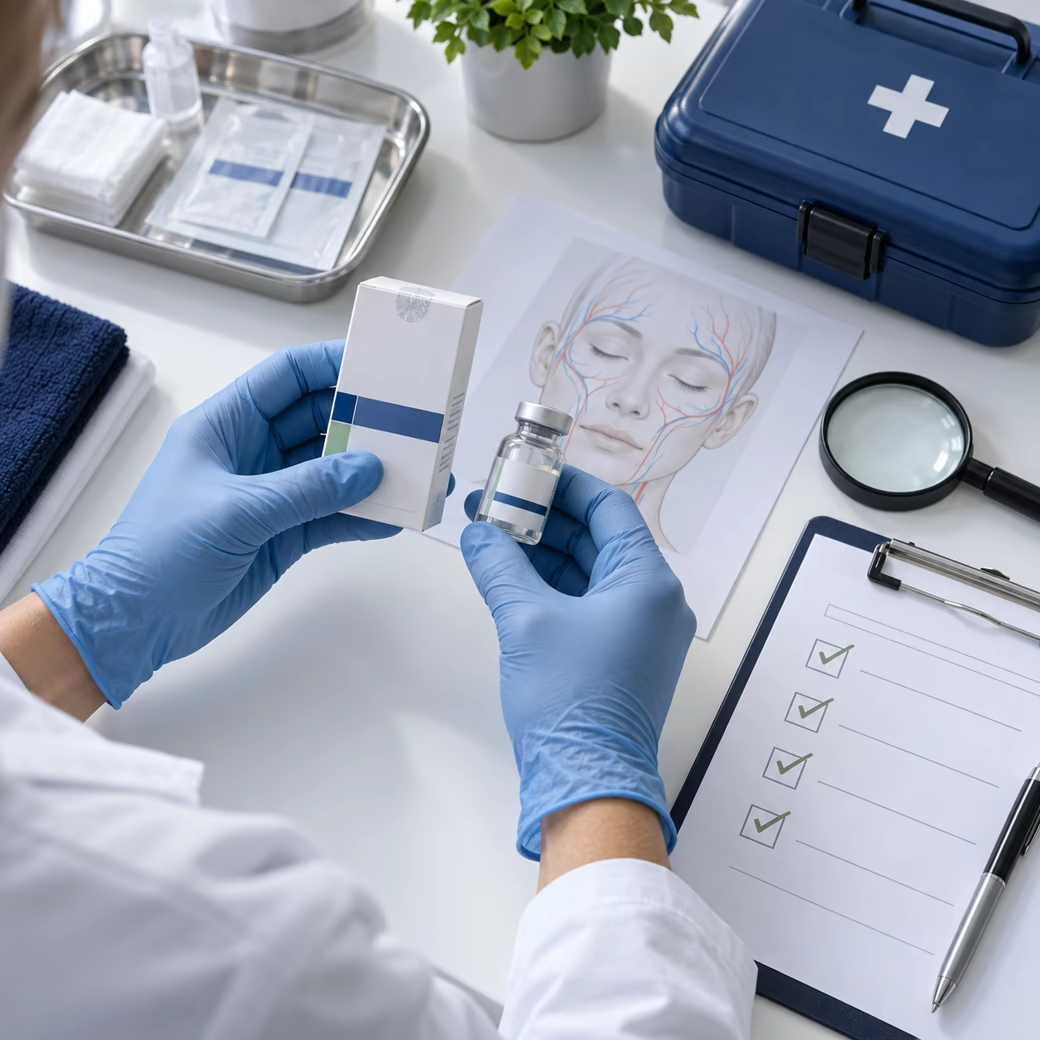
- Ask to see the properly labeled, sealed vial and confirm the product name, lot and expiry before injection.
- The clinician selects the amount, entry points, needle or cannula and technique for the individual plan.
- Before leaving, receive written aftercare, expected-reaction and urgent-contact instructions.
How to Prepare
- Provide a complete medical, allergy, medicine and previous-procedure history.
- Do not stop prescribed medicines without advice from the prescribing clinician.
- Avoid proceeding through active infection, inflammation or an unexplained skin problem until assessed.
- Confirm how the clinic manages suspected vascular occlusion or another urgent complication.
Aftercare and Follow-Up
- Follow the treating clinician's instructions for cleansing, makeup, exercise, heat, alcohol and other activities.
- Do not massage, apply medicine or treat a reaction unless instructed.
- Contact the clinic promptly for worsening pain, swelling, redness, lumps, drainage, fever or another unexpected symptom.
- Seek emergency care immediately for the vascular or neurologic warning signs listed above.
Why Consider an Ultracol Consultation at DCH Hospital?
A careful consultation should help you verify the product, assess suitability, compare alternatives and understand the plan for complications and follow-up.
- Product Verification: Confirm the exact sealed product, label, lot, expiry and intended use.
- Individual Assessment: Review anatomy, medical history, medicines, previous procedures, goals and alternatives.
- Risk and Emergency Planning: Ask how the provider recognizes and responds to vascular occlusion, infection and other complications.
- Aftercare and Follow-Up: Agree on expected reactions, contact routes and follow-up before treatment.
Frequently Asked Questions
No. Ultracol is injected as PDO microspheres; it does not insert a surgical thread. The nickname liquid thread should not be taken to mean that a thread is placed under the skin.
The manufacturer states that the product is authorized by Korea's MFDS for temporary improvement of bilateral nasolabial folds. The exact product registration and intended use in Thailand should be confirmed before treatment.
Those areas are outside the intended-use statement shown on the manufacturer's Korean page. Ask whether a proposed area is within the exact local label, what evidence supports it and what alternatives may be safer or better studied.
No injectable treatment is risk-free. Common reactions include bruising, redness, swelling, pain and tenderness. Rare vascular complications can cause tissue necrosis, visual impairment or blindness, or stroke, so prompt recognition and emergency care matter.
Ultracol Consultation at DCH Hospital
Ultracol is an injectable medical procedure, not a guaranteed or risk-free cosmetic treatment. Discuss the exact product, intended area, local label status, provider training, expected benefit, alternatives, possible complications and follow-up before deciding.
Request a Consultation