

Morpheus8

Morpheus8 RF Microneedling: What to Know

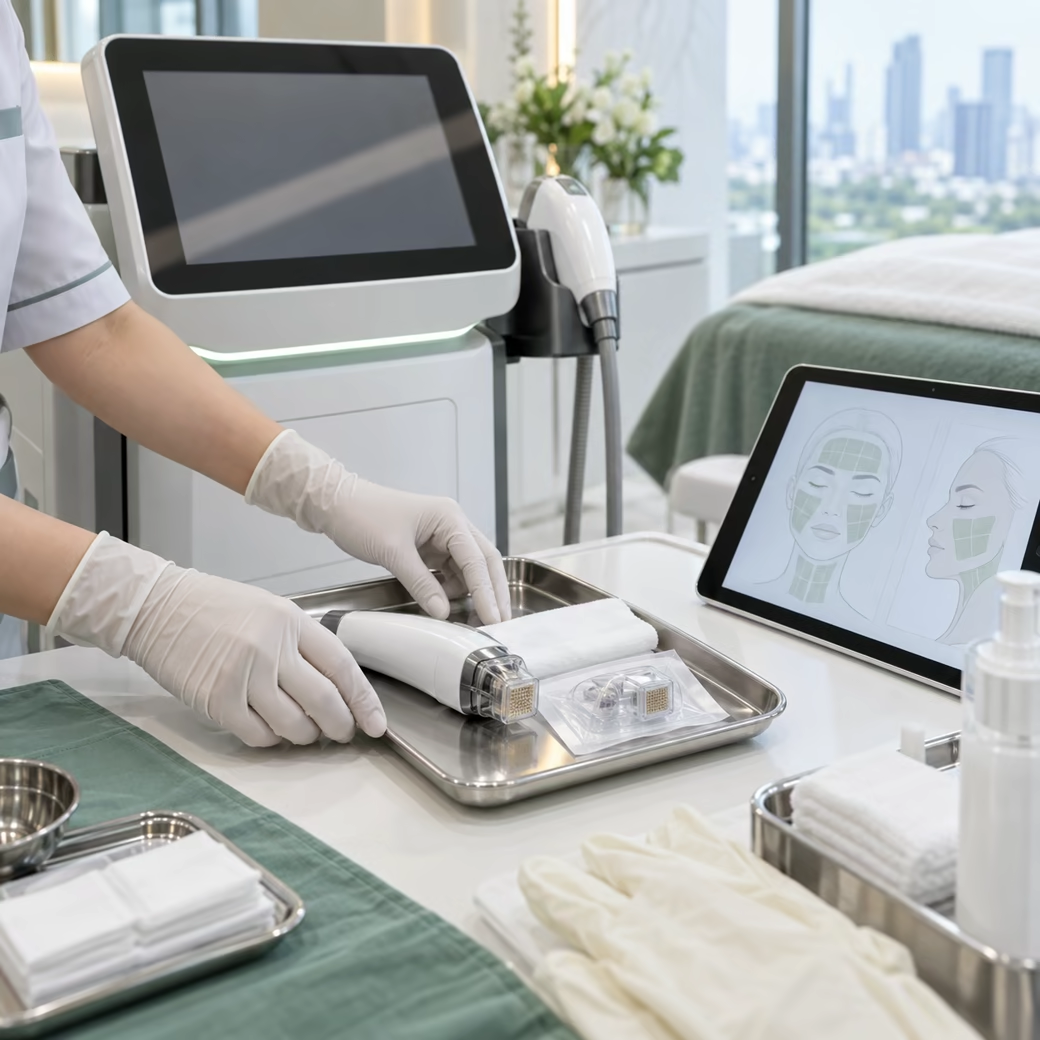
Morpheus8 uses arrays of microneedle electrodes to deliver fractional radiofrequency energy into selected dermal or subdermal depths. The energy produces localized heating and tissue coagulation, and the applicator and settings vary with the treatment plan.

Before treatment, a licensed clinician should review the intended area, skin type, medical history, medicines, implants, previous procedures and goals. Results and downtime vary. Temporary reactions and serious complications are possible, so the expected benefits, alternatives and warning signs should be discussed in advance.

Request a Consultation
How Morpheus8 Works and What U.S. Clearance Means

Morpheus8 applicators deliver RF energy through arrays of multi-electrode pins. Tip type, depth, energy and number of passes should be selected for the anatomy, skin type and response. U.S. FDA 510(k) clearance covers prescription use in dermatologic procedures where electrocoagulation, soft-tissue contraction or hemostasis is needed; it is not a blanket clearance for every cosmetic claim or treatment area.

Selected Depth
Depends on applicator, area and treatment plan
Single-Use Tip
The sterile tip is selected for the planned procedure
Fractional RF
Energy is delivered through multiple pin electrodes
U.S. FDA 510(k)
Cleared for stated prescription indications

Treatment Goals and Limits to Discuss

Discuss whether fractional RF is appropriate for your specific concern and treatment area.
Set realistic goals because cosmetic changes and duration vary.
Review whether the planned use matches the device, applicator and local regulatory status.
Plan settings according to skin type, tissue depth, treatment area and response.
Understand likely temporary reactions, downtime and follow-up.
Compare reasonable alternatives before deciding.

Treatment Areas Require Individual Assessment

Forehead

Assess skin thickness, hairline, sensitivity and planned settings.

Brow Area

Review anatomy, eye protection and whether the area is appropriate for the selected applicator.

Periorbital Area

Treatment near the eyes requires an appropriate applicator, protection and trained provider.

Cheeks

Discuss the exact concern, skin type, tissue depth and expected limits.

Under Chin

Assess anatomy, implants and whether tissue contraction or another option fits the goal.

Nasolabial Folds

Compare RF microneedling with alternatives for folds around the nose and mouth.

Perioral Area

The operator manual lists treatment directly over the lips as a contraindication; discuss only an appropriate surrounding area.

Neck

Review tissue thickness, medical history, implants and suitable settings before treatment.

Recovery, Follow-Up and Expected Changes

  • Early RecoveryRedness, swelling, discomfort, pinpoint bleeding or crusting may occur.
  • Healing ReviewDowntime varies with energy, passes, area and skin response.
  • Longer-Term ReviewAny desired cosmetic change and its timing vary and are not guaranteed.

The number and spacing of sessions should be individualized. Seek prompt clinical advice for signs of infection, excessive swelling or redness, unusual pain, blistering, burns, pigment change, scarring, fat loss, numbness or other unexpected symptoms.

Questions to Discuss Before Treatment

  • The exact device, applicator and sterile single-use tip
  • The provider's training and experience with RF microneedling
  • The intended use and local regulatory status
  • Expected benefits, limits and reasonable alternatives
  • Possible risks, recovery and aftercare
  • When and how to contact the provider after treatment

Who Needs an Individual Morpheus8 Safety Assessment?

Anyone considering the procedure should disclose medical conditions, medicines, allergies and previous reactions.
People with pacemakers, defibrillators, metallic or electronic implants, or permanent material in the area require contraindication review.
Pregnancy or nursing, cancer history, immune suppression, poorly controlled endocrine conditions or bleeding disorders may make treatment unsuitable.
Active infection, sores, rash, psoriasis, eczema, keloid history or abnormal wound healing require assessment.
Recent surgery, resurfacing, injections or energy-based treatment, and anticoagulant use require clinician-led timing decisions. Never stop prescribed medicine without advice from the prescribing clinician.

Procedure, Preparation & Aftercare

The Procedure

  • A licensed provider confirms the area, applicator, sterile single-use tip, settings and consent.
  • Topical anesthetic and cooling may be used when clinically appropriate.
  • The provider observes contact, comfort and skin response and adjusts only within the treatment plan.
  • Redness, swelling, discomfort, pinpoint bleeding or crusting can occur.
  • Before leaving, receive individualized recovery and warning-sign instructions.

How to Prepare

  • Disclose medicines, anticoagulants, implants, allergies, skin conditions, pregnancy or nursing, herpes history and abnormal healing.
  • Review recent surgery, injectables, resurfacing, peels, laser, RF or other procedures in the area.
  • Avoid intentional tanning or irritation as directed by the treating clinician.
  • Pause skincare or hair-removal products only when instructed for your skin and treatment area.
  • Do not stop prescribed medicines unless the prescribing clinician says it is safe.

Post-Treatment Care

  • Use cooling, emollient or dressings only as advised.
  • Use antibiotic or antiviral treatment only when prescribed.
  • Keep the area clean and avoid picking crusts or causing heat, friction or other trauma.
  • Follow the clinician's sunscreen, cleansing, exercise, sauna and swimming instructions.
  • Contact the provider promptly for infection, excessive swelling or redness, unusual pain, blistering, burns or other unexpected symptoms.
Morpheus8 device, applicator and safety planning at DCH Hospital

Why Consider Morpheus8 at DCH Hospital?

Device and Applicator Review

Ask which InMode platform, applicator and single-use tip are planned, and whether the use matches the intended indication.

Individual Assessment

Review skin type, medical history, previous procedures, contraindications, settings and aftercare.

Risk Discussion

Training, screening and monitoring can reduce but not eliminate risk.

Alternatives and Follow-Up

Compare expected benefit, cost, alternatives, sessions, downtime and follow-up before deciding.
Morpheus8 Consultation at DCH Hospital

RF microneedling is a medical procedure, not a guaranteed cosmetic treatment. The U.S. FDA has reported serious complications with certain uses, including burns, scarring, fat loss, disfigurement and nerve damage. Discuss the exact device, intended use, provider training, expected benefits, alternatives, possible risks and follow-up before deciding.

Request a Consultation

DCH Hospital is a comprehensive aesthetic surgery center in Bangkok. It provides beauty services by Dr. Chen Chaicharncheep, a specialized physician, along with an experienced team who care for you, analyze various concerns, and offer clear, detailed treatment advice to help you achieve the beauty you desire.

General Link

Contact Us

Dr.Chen Surgery Hospital International (Head Office)
No. 216 Ramkhamhaeng Road, Rat Phatthana Subdistrict, Saphan Sung District, Bangkok 10240
Info@drchenhospital.com

Follow Us

Language

ENTH
Copyright © 2026 DCH Hospital. All Rights Reserved.