What Can A Tummy Tuck Address?
Loose Skin, Abdominal Muscle Separation And Stretch Marks Are Different Concerns. An Examination Helps Determine What A Tummy Tuck May Improve And What Its Limitations Are.
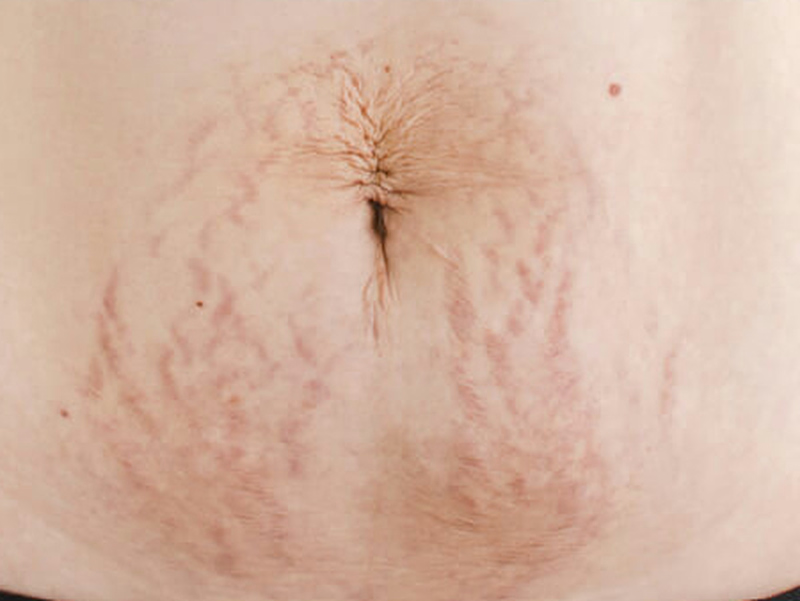
Loose Abdominal Skin
A Tummy Tuck Removes Excess Abdominal Skin. The Amount And Location Of Loose Skin Help Your Surgeon Determine The Extent Of Treatment And Whether A Full Or Mini Procedure May Be Appropriate.
Abdominal Muscle Separation
When Abdominal Muscles Have Separated, Sutures May Tighten The Supporting Tissue, Called Fascia, To Bring Them Closer Together. This Repair Depends On Your Examination Findings And Is Not Needed In Every Tummy Tuck.
Stretch Marks And Contour
Removing Loose Skin Can Improve Abdominal Contour. Stretch Marks Are Removed Only If They Lie Within The Skin Being Removed; Those Elsewhere Remain. Your Anatomy And Surgical Plan Influence The Final Shape.
Full And Mini Tummy Tuck
Full And Mini Procedures Address Different Patterns Of Loose Skin. Your Surgeon Assesses Skin Laxity, The Abdominal Wall And Navel Position To Recommend An Appropriate Plan.
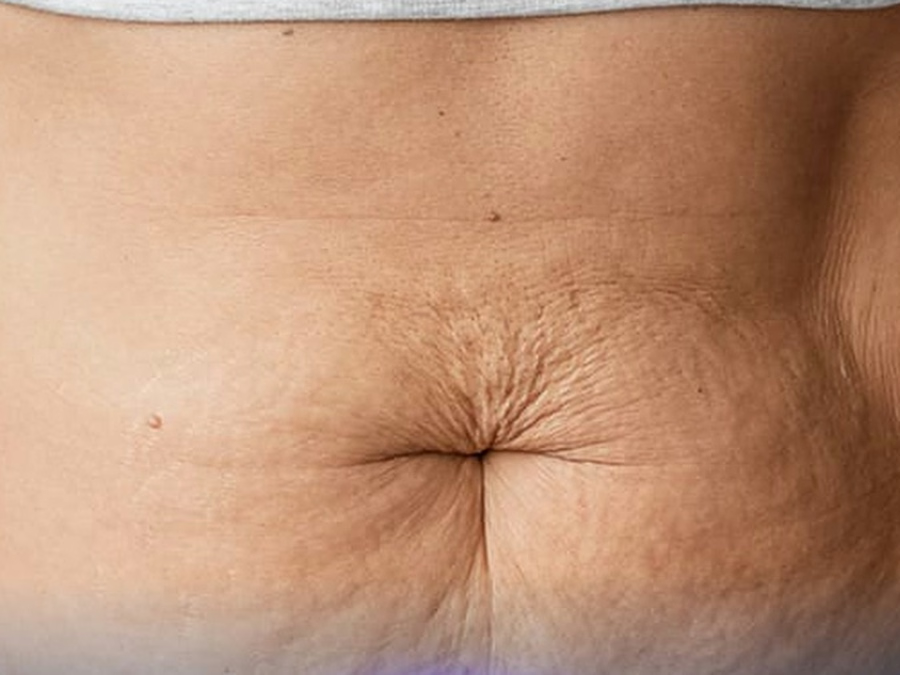
Full Tummy Tuck
Addresses Loose Skin Above And Below The Navel. Your Surgeon May Also Tighten The Supporting Abdominal Tissue When Indicated.
- Navel And Incisions
- Usually Involves A Low Abdominal Incision And An Incision Around The Navel. The Existing Navel Usually Remains Attached To The Abdominal Wall And Is Brought Through A New Opening In The Skin.
- What To Plan For
- A Wider Area Of Treatment And A Longer Scar. Scar Length And Recovery Depend On The Extent Of Surgery And Your Individual Healing.

Mini Tummy Tuck
May Suit A Smaller Amount Of Loose Skin Mainly Below The Navel. It Offers A More Limited Correction And Usually Leaves Upper-Abdominal Laxity Unaddressed.
- Navel And Incisions
- Usually Uses A Low Abdominal Incision Without An Incision Around The Navel. Navel Position And Any Supporting-Tissue Repair Depend On The Technique.
- What To Plan For
- A More Limited Procedure Still Needs Recovery Time And Follow-Up. A Shorter Scar Or The Word “Mini” Does Not Make It The Right Choice For Everyone.
More Extensive Skin Laxity May Need A Different Incision Pattern. Ask Your Surgeon To Explain The Proposed Scar And Recovery Plan For Your Anatomy.
Tummy Tuck Or Liposuction?
The Right Approach Depends On Whether Your Main Concern Is Loose Skin, Localised Fat Or Abdominal Muscle Separation. An Examination Helps Your Surgeon Identify Which Procedure May Address Your Goals.
Treatment Focus
Tummy Tuck
Loose Skin And Abdominal Support
Removes Excess Skin And Some Fat From The Abdomen. When Indicated, The Supporting Tissue Can Be Tightened To Address Abdominal Muscle Separation.
Liposuction
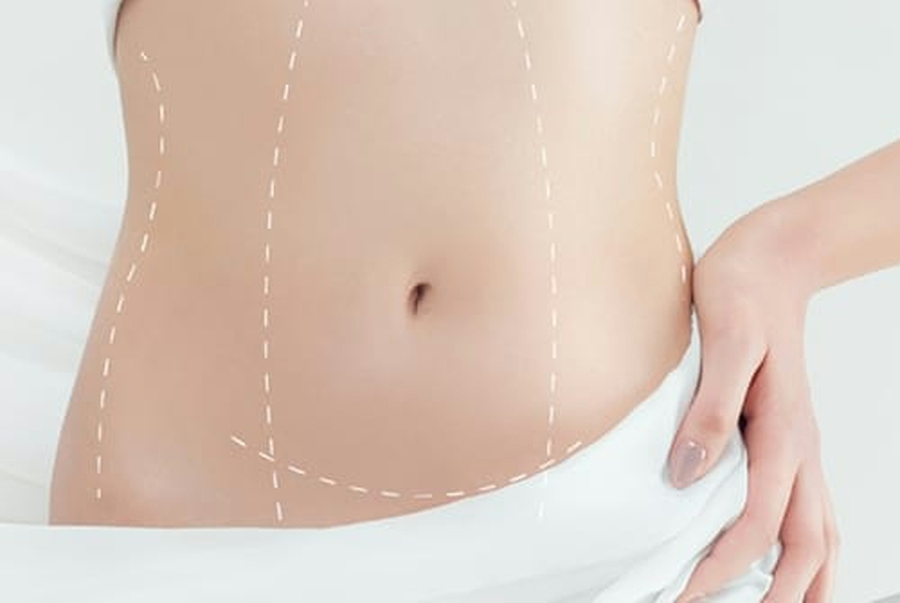
Localised Fat Beneath The Skin
Reduces Selected Fat Deposits To Improve Contour. Skin Elasticity Affects How Well The Skin Adapts After Fat Removal.
Suitability
Tummy Tuck
When It May Be Considered
May Be Considered When Loose Or Hanging Skin Remains After Pregnancy Or Weight Loss, With Or Without Abdominal-Wall Laxity. Stable Weight And General Health Are Part Of The Assessment.
Liposuction
When It May Be Considered
May Be Considered For Localised Fat Deposits When Skin Has Good Elasticity. It Does Not Remove Excess Skin Or Repair Abdominal Muscle Separation; Loose Skin May Remain Or Become More Noticeable.
Prepare Your Questions Before The Consultation. Your Surgeon Will Examine Your Abdomen And Review Your Health, Weight Stability And Goals Before Recommending A Plan.
Scars & Recovery
Tummy Tuck
Scars And Recovery
Leaves A Permanent Abdominal Scar And Usually Requires More Recovery Time Than Liposuction Alone. The Extent Of Surgery And Your Healing Determine The Plan.
Liposuction
Scars And Recovery
Uses Small Access Incisions That Still Leave Scars. Swelling And Recovery Depend On The Areas Treated, The Extent Of Treatment And Your Health.
Both Procedures Require Follow-Up And A Gradual Return To Activity. Rest And Gentle Walking Are Part Of Recovery As Advised By Your Surgeon, Along With Wound Care And Activity Restrictions.
Can They Be Combined?
If You Have Both Loose Skin And Localised Fat, Your Surgeon May Discuss Combining A Tummy Tuck With Liposuction Or Planning Separate Procedures, Based On Your Health, The Extent Of Surgery And Recovery Needs. Neither Procedure Is A Weight-Loss Treatment Or Removes Visceral Fat Around Internal Organs. Learn More About Liposuction At DCH Hospital.
Planning Your Consultation
Bring Your Goals And Questions To Discuss Whether Surgery Is Suitable For You, Your Options, And The Expected Benefits And Limitations.

Your Health And History
Bring A List Of Your Medicines And Supplements. Discuss Previous Surgery, Pregnancies, Medical Conditions, Allergies And Any History Of Blood Clots. Include Smoking, Vaping, Other Nicotine Use, Alcohol And Recreational Drugs.
Your Examination
Your Surgeon Assesses Your Abdominal Skin, Fat Distribution, Supporting Tissues And Existing Scars, And Checks For Signs Of A Hernia. Discuss Recent Weight Changes And Any Future Pregnancy Or Weight-Loss Plans.
Your Personal Plan
Discuss The Technique, Scar Position, Anaesthesia, And Whether Tightening The Supporting Abdominal Tissue Or Adding Liposuction Is Appropriate. Ask About Your Individual Risks, Recovery Needs, Expected Hospital Stay, Operating Surgeon And Follow-Up Arrangements.
Your Surgery Journey
The Extent Of Surgery, Anaesthesia And Length Of Stay Depend On Your Treatment Plan And Health. Your Team Should Explain Each Stage Before Consent.
Before Surgery

Final Checks
The Team Rechecks Your Health, Allergies, Fasting And Consent, And Confirms The Planned Incisions And Any Additional Procedures. Ask About Clot-Prevention Measures And Your Early Recovery Plan.
During Surgery

The Agreed Procedure
The Surgeon Removes Excess Skin And Fat, Tightens The Supporting Abdominal Tissue If Indicated, And Closes The Incisions. Whether An Incision Around The Navel Is Needed Depends On Your Agreed Technique.
After Surgery

Observation And Discharge
You Are Monitored As You Recover From Anaesthesia. Dressings, A Support Garment Or Temporary Drains May Be Used. Before Discharge, Your Team Checks Your Readiness And Explains Wound Care, Medicines, Warning Signs And Follow-Up.
Combining Procedures
Liposuction Or Breast Surgery May Be Combined With A Tummy Tuck In Selected Patients. Your Health And Recovery Needs Help Determine Whether To Combine Or Stage Treatment.
A Combined Operation
More Than One Procedure Is Performed During The Same Anaesthetic. This Can Bring Recovery Periods Together, But A Longer Operation And Multiple Healing Areas May Increase Risks And The Help Needed At Home. Your Team Assesses Your Health, The Extent Of Surgery, Operating Time And Blood-Clot Risk Before Recommending A Combined Plan.

A Staged Plan
Procedures Are Scheduled Separately, Allowing Healing And Reassessment Between Operations. This May Better Suit Your Health Or The Extent Of Surgery, But Means More Than One Anaesthetic And Recovery Period. Your Surgeon Recommends The Interval Based On Your Recovery And The Next Procedure, Rather Than A Fixed Schedule For Everyone.
Compare The Risks, Total Costs, Time Away, Follow-Up And Support Needed For Each Option With Your Surgeon. For Related Planning, Read About Tummy Tuck And Breast Augmentation.
Cost And Travel Planning
Plan Your Budget, Recovery Time And Travel Together. A Written Quotation And Clear Follow-Up Arrangements Help You Prepare Before Committing To Treatment.
Your Treatment Budget
What The Quote Covers
Ask For A Written, Itemised Quote Covering Your Procedure, Surgeon, Anaesthesia And Hospital Stay. Confirm Whether Tests, Medicines, Garments, Drain Care And Scheduled Reviews Are Included.
Costs If Plans Change
Ask How Extra Nights, Additional Reviews, Treatment For Complications Or Revision Surgery Would Be Charged. Check Deposit, Cancellation And Refund Terms Before Paying.
Beyond Hospital Fees
Budget For Accommodation, Transport, A Companion And Time Away From Work. Check Cover For Planned Surgery And Complications; Do Not Assume Standard Travel Insurance Covers Them.
Your Stay And Return Home

Before You Book
Agree On Consultation, Surgery And Follow-Up Dates Before Booking Travel. Discuss Long Journeys And Any History Of Blood Clots, And Allow Flexibility If Recovery Takes Longer.
Support During Your Stay
Choose Accommodation With Access To Your Care Team. Arrange An Adult Escort And Help With Luggage, Meals And Everyday Tasks. Plan Time To Rest Rather Than A Sightseeing Holiday.
Returning Home Safely
Ask Your Surgeon When Flying Is Appropriate; Surgery And Air Travel Can Increase Blood-Clot Risk. Keep Your Records, Emergency Contacts And A Follow-Up Plan, Including Where To Seek Care At Home.
Your Care At DCH Hospital
Meet Dr. Chen Chaicharncheep, Founder And Physician At DCH Hospital, And Plan Your Consultation And Follow-Up With The Care Team.

Dr. Chen Chaicharncheep
Dr. Chen Holds A Medical Degree From Chiang Mai University. Before Booking A Tummy Tuck, Ask The Care Team To Confirm Your Operating Surgeon And Arrange A Consultation To Discuss Their Relevant Experience, Your Goals, Treatment Options And Individual Risks.
Your Follow-Up Plan
Before Booking, Request Your Expected Stay, Review Schedule And Cost Inclusions In Writing. Before Discharge, Confirm Wound Or Drain Care And Whom To Contact With Concerns. If You Live Abroad, Agree On Travel Clearance And Ongoing Care At Home.