Understanding Your Brow Concerns
A Heavy Or Tired-Looking Eye Area Can Begin With The Brows, Eyelid Skin Or The Eyelid Itself. Understanding The Difference Helps Your Surgeon Recommend Care That Suits Your Anatomy.
Low Brow Position
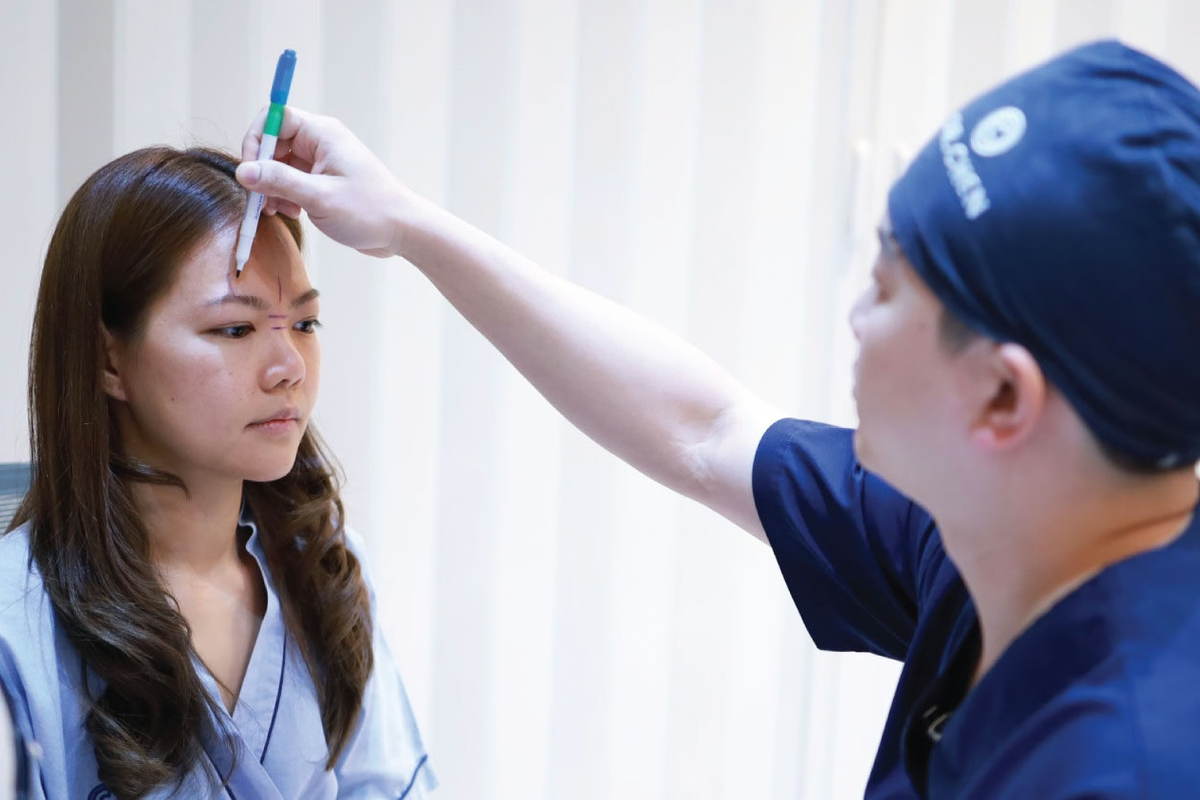
Brows That Sit Lower Can Add Heaviness Above The Eyes. Your Surgeon Assesses Brow Height, Shape And Symmetry To Decide Whether A Brow Lift May Help.
Excess Eyelid Skin
Loose Skin Can Fold Over The Upper Eyelid, With Or Without A Low Brow. Your Surgeon Checks Both Areas Before Discussing Eyelid Surgery Or A Combined Approach.
Drooping Eyelid
A Low Eyelid Edge Is Different From A Low Brow Or Loose Skin. It Needs Its Own Assessment, Particularly If It Affects Your Vision Or Ability To Open The Eye.
How Endoscopic Brow Lifting Works
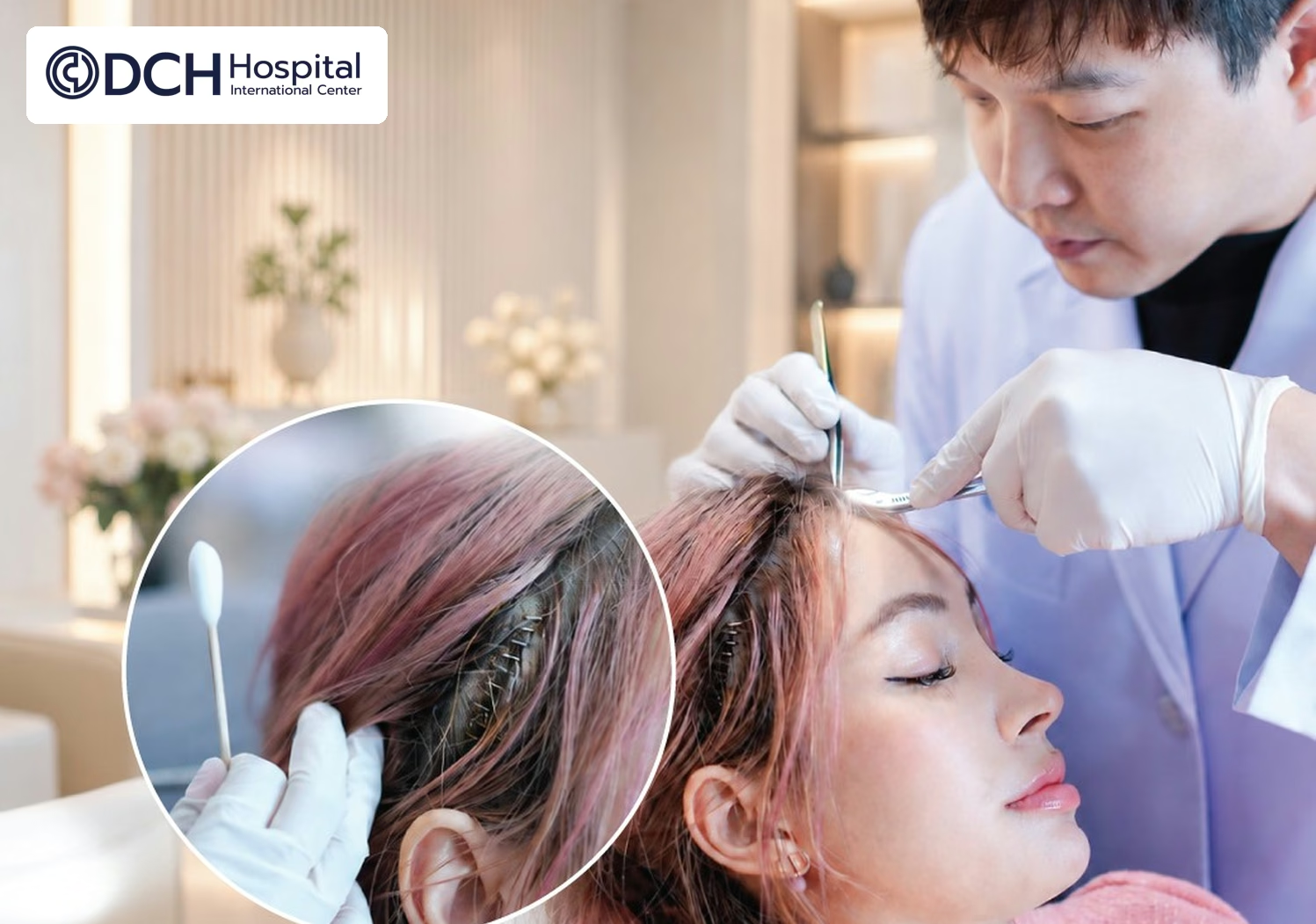
An Endoscopic Brow Lift Uses A Small Camera And Fine Instruments Through Incisions In The Scalp. The Camera Gives The Surgeon A View Beneath The Skin While The Forehead And Brow Tissue Is Repositioned.
Small Scalp Incisions
The Surgeon Plans Small Incisions Within The Hair-Bearing Scalp. Their Position Is Chosen Around Your Hairline, Hair Density And The Areas Of The Brow That Need Adjustment.
Camera-Guided Lifting
Using The Endoscopic View, The Surgeon Releases And Repositions The Forehead Tissue. The Direction And Amount Of Lift Are Tailored To Your Brow Position And Facial Proportions.
Securing And Closing
The Repositioned Tissue Is Held In Place With The Chosen Fixation Method. The Scalp Incisions Are Then Closed, And Your Team Explains Wound Care And Any Follow-Up For Sutures Or Clips.
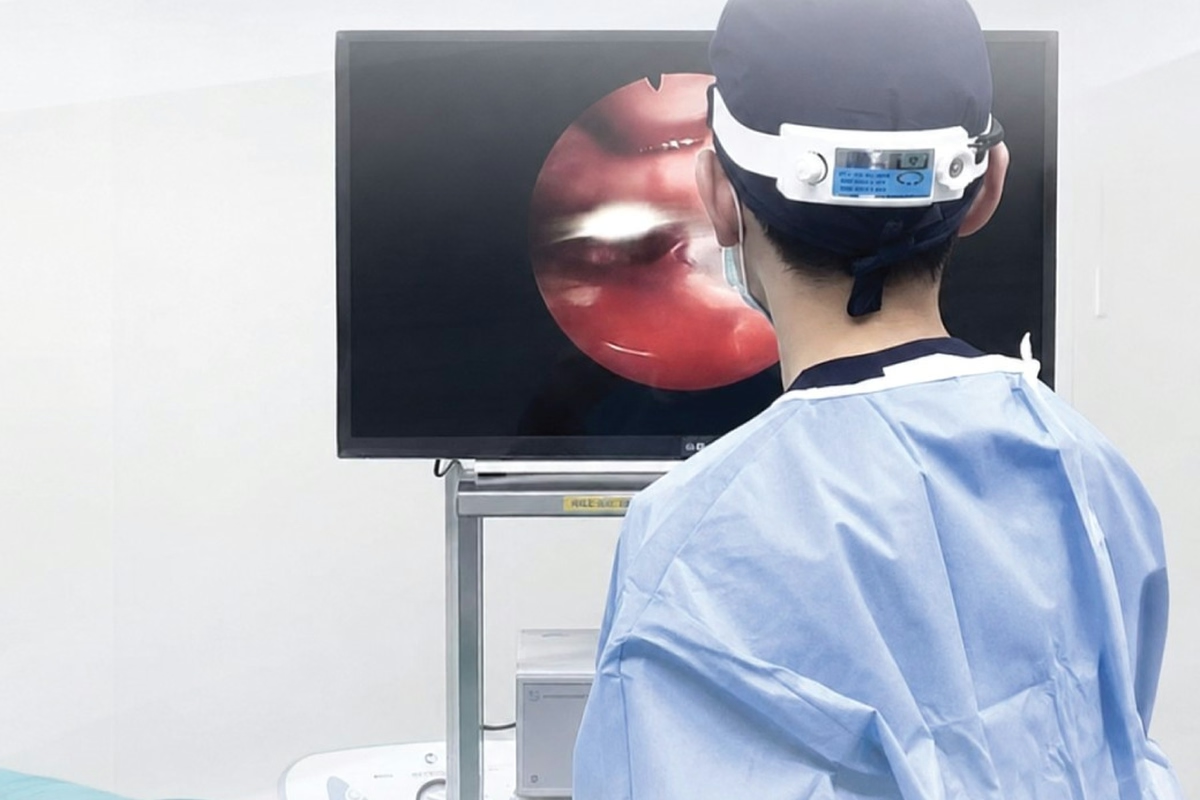
Fixation May Involve Sutures Or A Device Such As Endotine. If A Device Is Recommended, Ask Why It Suits Your Plan, What Alternatives Exist And Which Device-Specific Risks You Should Understand.
Brow Lift And Other Options
Brow Position, Eyelid Skin And Expression Lines Need Different Approaches. Understanding What Each Treatment Can Address Helps You Have A More Useful Conversation With Your Surgeon.
Endoscopic Brow Lift
Repositions Forehead And Brow Tissue Through Small Scalp Incisions. A Camera Helps The Surgeon See Beneath The Skin While Working.
Your Hairline, Hair Density And Degree Of Brow Descent Help Determine Whether This Approach Fits Your Anatomy.

Other Brow Techniques
Temporal, Direct And Hairline Approaches Address Different Patterns Of Brow Descent. The Choice Depends On Which Area Needs Adjustment.
The Area Lifted, Incision Location And Scar Placement Vary. Your Surgeon Should Explain Why A Particular Approach Is Recommended.

Upper Eyelid Surgery
Addresses Excess Upper Eyelid Skin And, When Appropriate, Other Eyelid Tissue. It Focuses On Concerns Centred On The Eyelid Itself.
It Does Not Directly Lift A Low Brow. Brow Position And Eyelid Function Still Need To Be Assessed Before Planning Treatment.
Non-Surgical Options
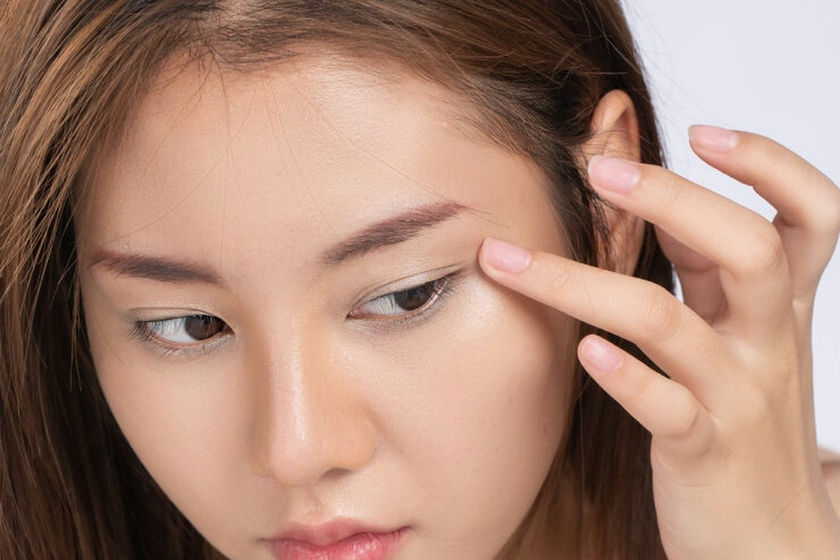
Botulinum Toxin Injections Can Soften Expression Lines And May Create A Modest Brow Lift In Selected People.
The Effect Is Temporary. Injections Do Not Remove Excess Skin Or Reposition Tissue In The Same Way As Surgery.
Planning Your Consultation
Your Consultation Is A Chance To Explain What You Would Like To Change, Understand Your Options And Decide Whether A Brow Lift Fits Your Needs.
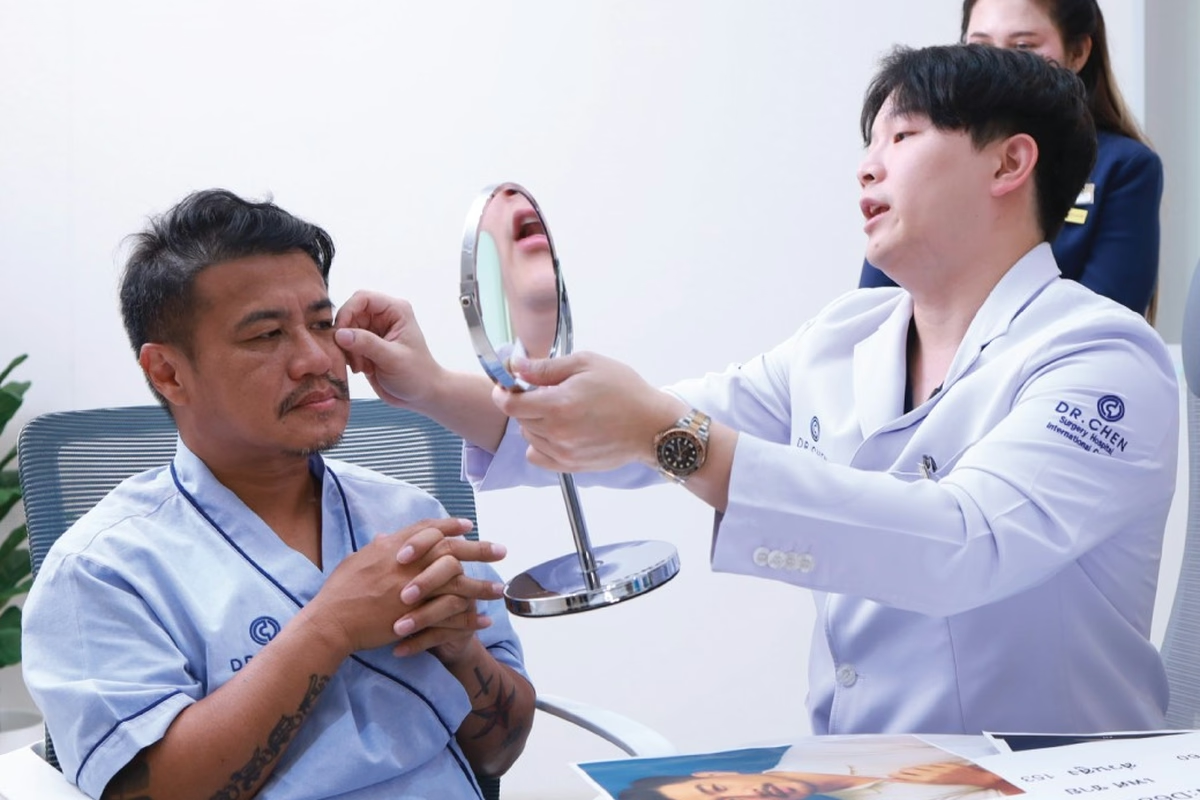
Your Goals And Assessment
Explain What Bothers You And The Changes You Hope For. Your Surgeon Assesses Brow Position, Forehead Movement, Eyelid Skin And Hairline, And May Take Photographs To Support The Discussion.
Your Treatment Plan
Discuss The Recommended Approach, Incision Placement, Fixation And Anaesthesia. Ask Why The Plan Suits Your Anatomy, What It Can Realistically Change, And Who Will Perform Surgery And Provide Follow-Up.
Your Decision And Next Steps
Review The Benefits, Risks, Recovery And Alternatives, Including No Treatment. Take Time To Ask Questions And Consider The Plan Before Giving Consent. You Should Understand What To Expect Before Deciding To Proceed.
Your Surgery Journey
From Final Checks To Early Recovery, Each Stage Has A Different Focus. Your Team Will Explain The Plan For Your Procedure And The Care You Will Need Afterwards.
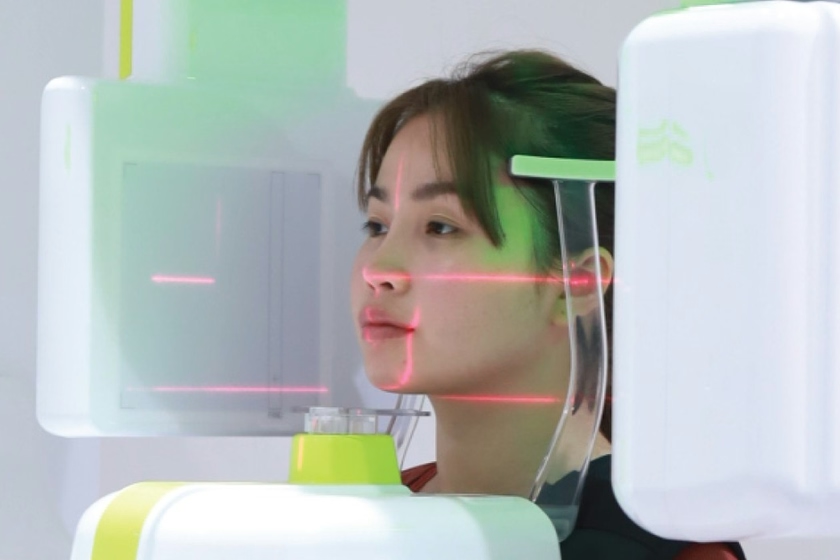
Before Surgery
Your Team Reviews Your Health, Allergies, Consent And The Agreed Surgical Plan. The Planned Brow Position And Anaesthesia Are Confirmed Before You Go To The Operating Room.
Use This Time To Raise Any Remaining Questions About The Procedure Or Your Early Recovery.
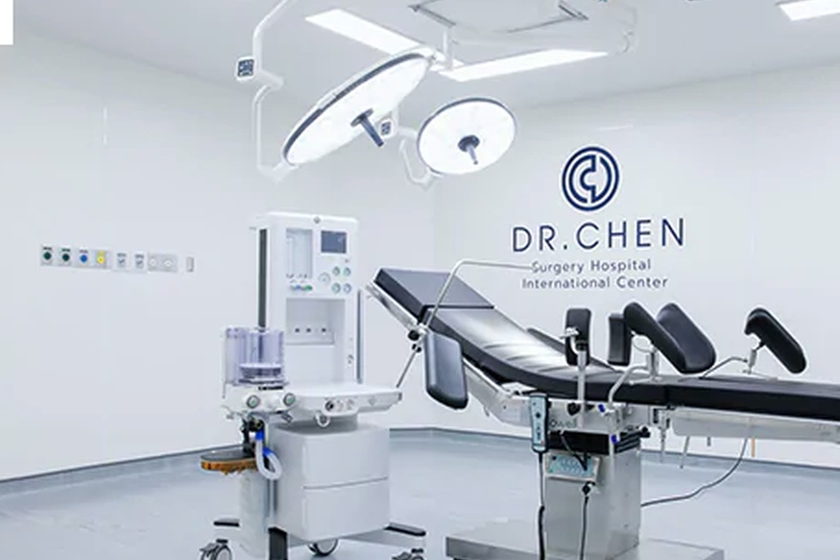
During Surgery
Through Small Scalp Incisions, Your Surgeon Repositions And Secures The Brow Tissue According To The Agreed Plan, Then Closes The Incisions.
Your Anaesthesia Team Monitors You Throughout The Operation. The Type Of Anaesthesia Is Selected For Your Procedure And Health Needs.
After Surgery
You Are Observed In Recovery While The Team Checks Your Condition And Comfort. Discharge Is Considered When You Meet The Team’s Recovery Criteria.
Before Leaving, You Receive Instructions For Dressings, Wound Care, Medicines And Follow-Up, Including Who To Contact If You Have Concerns.
Recovery And Follow-Up
Healing Is Gradual. Plan Around Your Individual Progress And The Type Of Work Or Activity You Expect To Resume.
Early Recovery
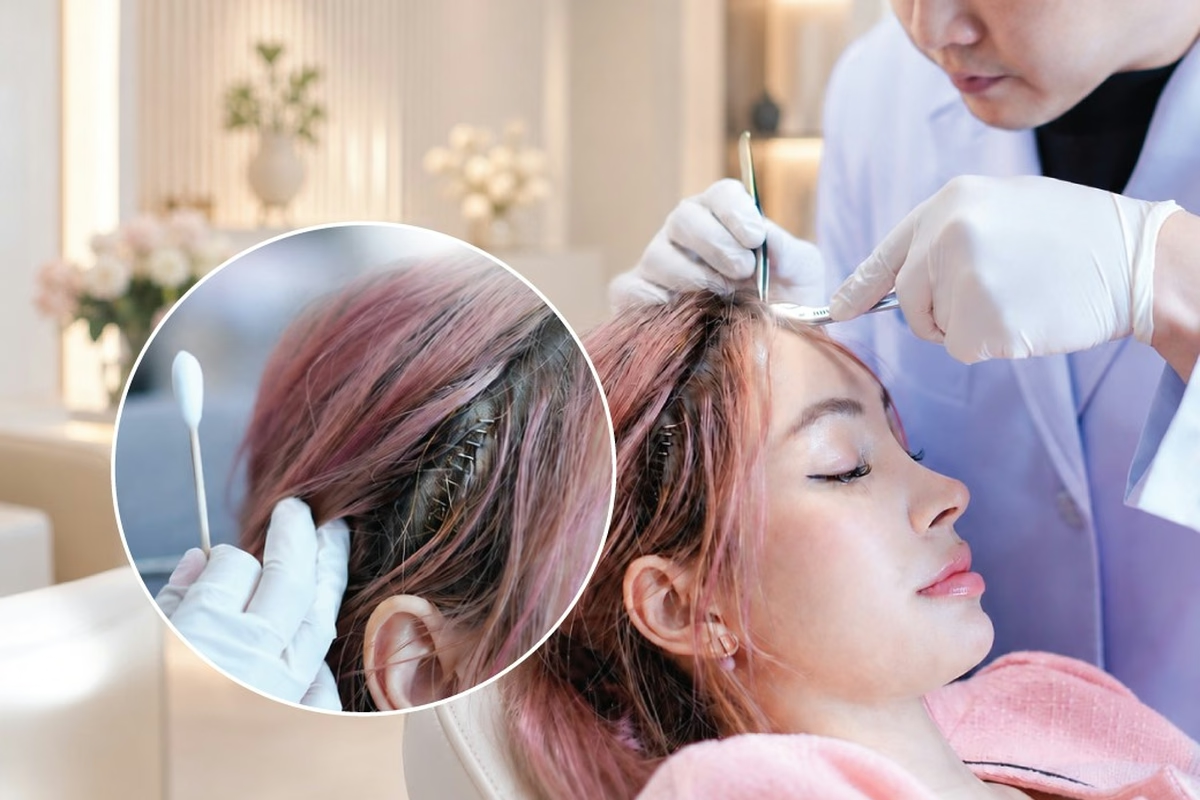
Swelling, Bruising, Tightness Or Altered Sensation Can Occur. Follow Your Team’s Instructions For Head Position, Wound Care And Prescribed Medicines.
Returning To Routine
Many People Allow Around Two Weeks Before Returning To Routine Work, But This Is Not A Clearance Date. Physical Work, Exercise And Additional Procedures May Require Longer.
Settling Over Time
Swelling And Scar Appearance Can Continue To Change For Weeks Or Months. Attend Reviews So Your Surgeon Can Assess Brow Position, Healing And Any Persistent Symptoms.
Risks, Scars And Expected Results
A Brow Lift Has Benefits, Risks And Limits. Discuss How Your Health, Anatomy And Surgical Plan May Affect Healing And The Result You Can Realistically Expect.
Surgical Risks
Possible Complications Include Bleeding, Infection, Fluid Build-Up, Poor Wound Healing And Anaesthesia-Related Problems. Blood Clots Are Uncommon But Can Be Serious.
Sensation And Movement
Numbness, Itching, Eye Irritation Or Dryness May Occur. Pain Or Sensory Changes Can Persist, And Nerve Injury May Affect Forehead Or Brow Movement.
Scars And Hairline
Scalp Incisions Leave Scars, Even When Hair Conceals Them. Visible Scarring, Hair Loss Near Incisions Or Hairline Changes Are Possible. Discuss Incision Placement And Scar Care.
Realistic Expectations
Brows May Heal Unevenly Or Settle Higher Or Lower Than Planned, Sometimes Requiring Revision.
Healing Varies And Ageing Continues; Perfect Symmetry And A Fixed Duration Of Results Cannot Be Guaranteed.
Cost And Travel Planning
Plan Your Treatment Budget And Your Time In Bangkok Together. Ask For A Written Quotation And A Follow-Up Schedule Before Confirming Surgery Or Travel.

Your Quotation
Your Quotation Should Reflect The Agreed Surgical Plan. Check What Is Included And Which Costs May Be Charged Separately.
Procedure And Materials
Confirm The Brow Lift Technique, Fixation Materials And Any Additional Surgery Included In Your Plan.
Medical Fees And Reviews
Request A Breakdown Of Surgeon, Anaesthesia And Hospital Fees, Plus Tests, Medicines And Scheduled Follow-Up.
Costs Outside The Quote
Ask How Extra Visits, Unexpected Treatment Or Revision Surgery Would Be Charged.
Plan Your Stay In Bangkok

Before You Book
Agree On Consultation, Surgery And Review Dates With Your Team Before Booking Flights Or Accommodation.

Support During Recovery
Arrange An Escort, A Suitable Place To Stay And Practical Help. Allow Time For In-Person Follow-Up.
Before Returning Home
Ask Your Surgeon When You Can Travel And Resume Activities. Confirm Follow-Up Arrangements And Where To Seek Care At Home.
Your DCH Medical Team
Explore The Published Backgrounds Of DCH Physicians. During Consultation, Confirm Which Doctor Will Assess Your Brows And Perform Any Proposed Procedure.
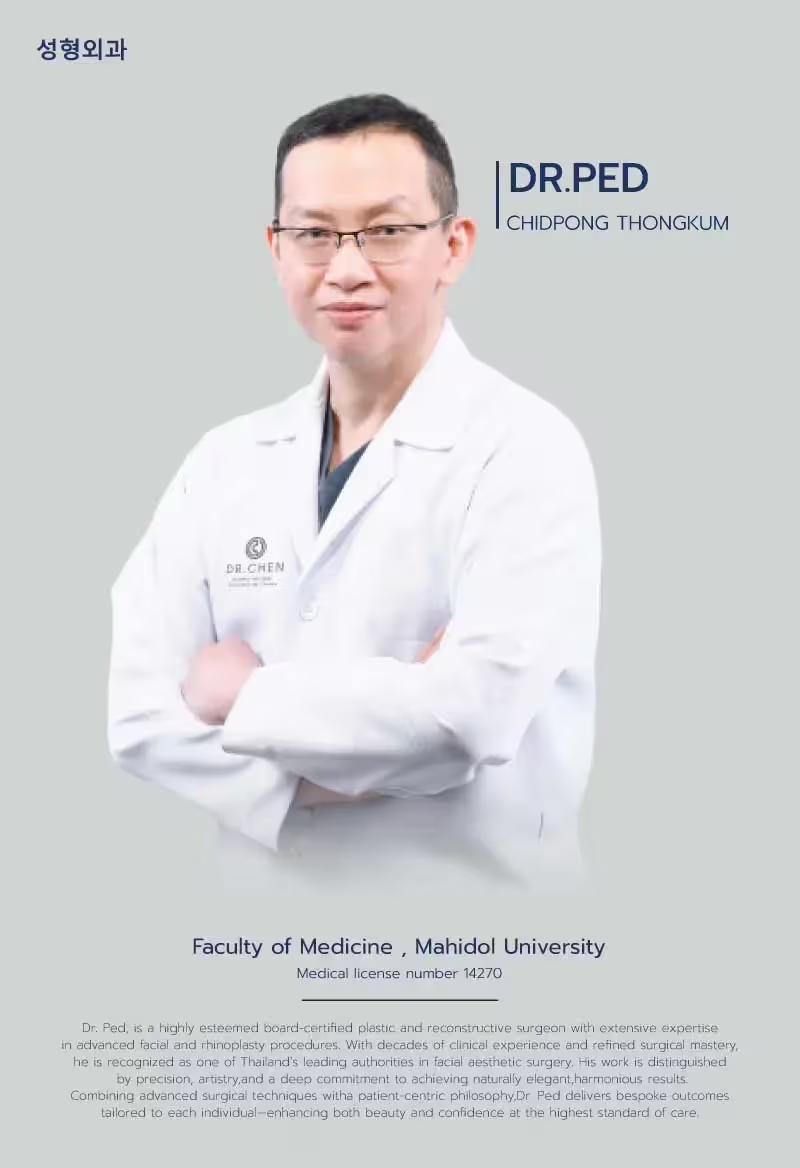
Dr. Chidpong Thongkum
Dr. Ped · Physician At DCH Hospital
Recognised Specialties In ENT And Family Medicine, With A Subspecialty In Facial Plastic And Reconstructive Surgery. DCH Lists Facial Surgery Among His Consultation Areas. Thai Medical Licence No. 14270.
View Dr. Ped’s Profile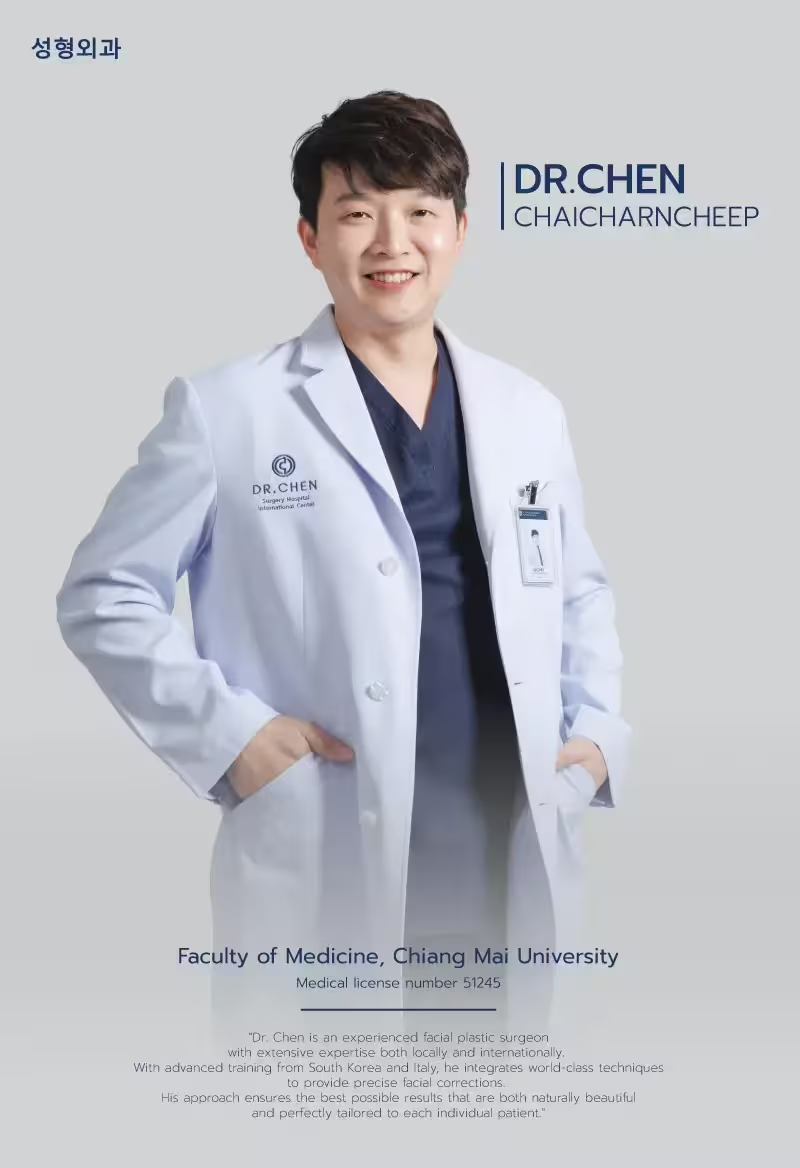
Dr. Chen Chaicharncheep
Founder And Physician At DCH Hospital
Recognised Specialty In Orthopaedics. DCH Lists Facial And Eyelid Surgery Among His Consultation Areas, Separate From His Recognised Specialty. Thai Medical Licence No. 51245.
View Dr. Chen’s ProfileYour Consultation Should Clarify Who Will Perform Your Surgery, The Proposed Technique And How Your Recovery And Follow-Up Will Be Managed.
Meet The Full Medical Team