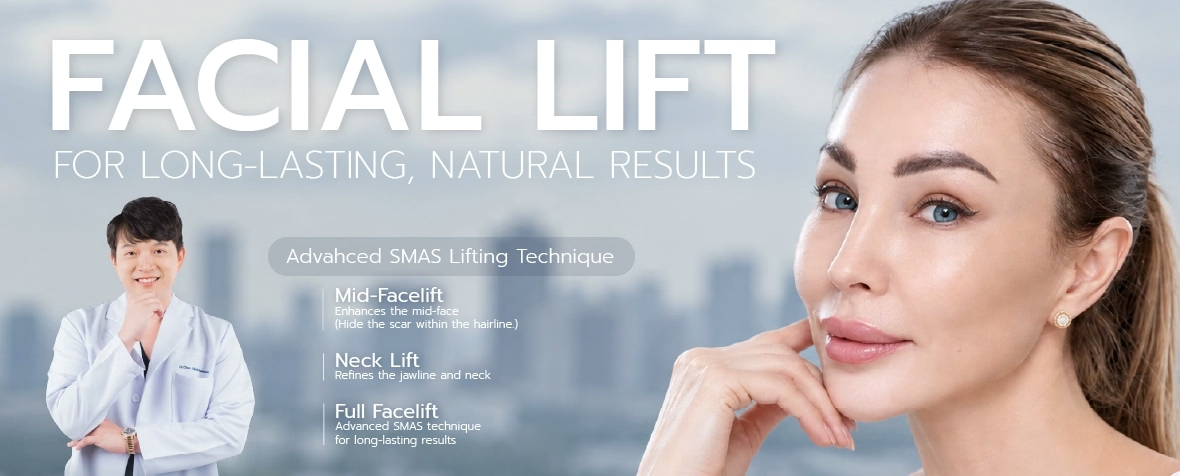
Is Face Lift Surgery Right For You?

Your Face, Your Priorities
Your Goals, Health And Recovery Needs All Matter. During Your Consultation, Your Surgeon Will Assess Your Face And Discuss Whether Face Lift Surgery Is Right For You.
What Would You Like To Improve?
Face Lift Surgery May Improve Sagging Cheeks And Loose Skin Along The Jawline. Discuss The Changes You Hope To See And What Surgery Can Realistically Achieve.
What Should Your Surgeon Know?
Tell Your Surgeon About Any Medical Conditions, Allergies, Medicines And Supplements You Take, Smoking Or Other Nicotine Use, And Previous Facial Surgery Or Treatments. These Details Help Your Surgeon Assess Your Suitability And Plan Your Care.
Can You Make Time For Recovery?
Plan Time To Rest, Attend Follow-Up Appointments And Have Someone Help You At Home Or At Your Accommodation. If You Are Travelling To Bangkok, Ask Your Surgeon How Long To Stay And When You Can Fly Home.
Results Vary From Person To Person, And Your Face Will Continue To Age After Surgery. Your Surgeon May Recommend Face Lift Surgery, Another Treatment Or No Surgery, Depending On Your Needs And Health.
Face Lift Options Explained
Mini Face Lift, Full Face Lift And Neck Lift Address Different Patterns Of Sagging. Your Surgeon Will Recommend An Approach Based On Your Facial Structure, Skin And Goals. Terms Such As Mini And Full Can Vary, So Confirm Which Areas And Tissue Layers Are Included. Illustrations Show General Regions For Discussion, Not Incision Lines, A Personal Surgical Plan Or Expected Results.

Mini Face Lift
A Mini Face Lift May Suit Mild Sagging Around The Lower Cheeks And Jawline. Your Surgeon Will Assess Whether This Limited Approach Is Suitable For You.
Ask Your Surgeon: Would A Mini Face Lift Address My Concerns, Or Would A More Extensive Lift Be More Suitable?
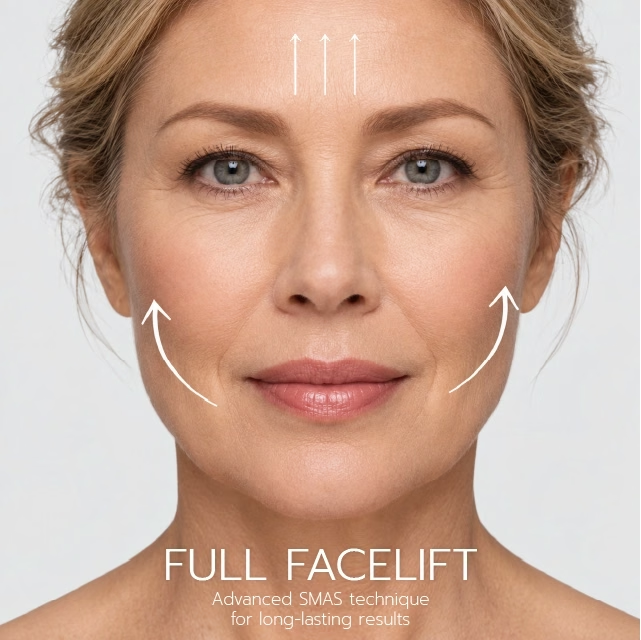
Full Face Lift
A Full Face Lift May Address More Extensive Sagging In The Cheeks And Jawline By Repositioning Skin And Underlying Tissues.
Ask Your Surgeon: Would My Treatment Include A Neck Lift? Brow And Eyelid Surgery Are Separate Procedures.
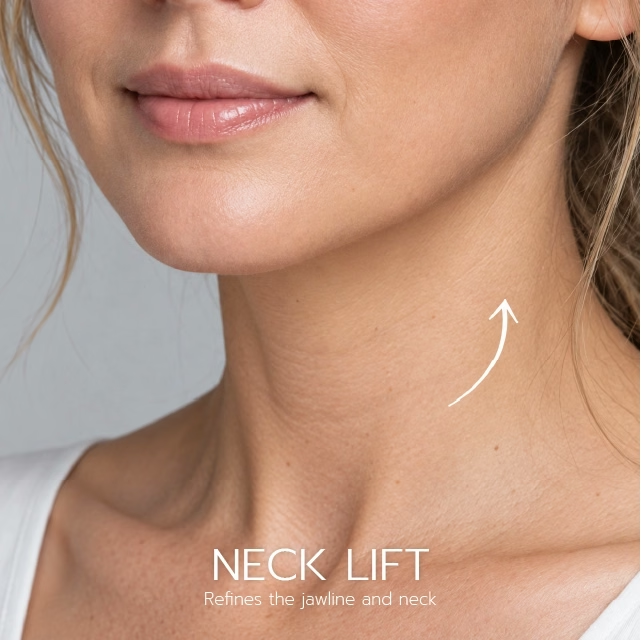
Neck Lift
A Neck Lift Addresses Loose Neck Skin And May Also Treat Fat Under The Chin Or Visible Vertical Muscle Bands, Depending On The Surgical Plan.
Ask Your Surgeon: Would A Neck Lift Alone Address My Concerns, Or Would A Combined Face And Neck Lift Be More Suitable?
Alternatives To Face Lift Surgery
Surgery Is Not The Only Option For Every Concern. Depending On Your Assessment, Your Clinician May Discuss Skin Treatments, Injectable Treatments, Another Procedure Or No Treatment.
These Options Address Different Concerns And Do Not Provide The Same Changes As A Surgical Face Lift. Ask About Their Benefits, Risks And Limitations.
Understanding The SMAS Layer
SMAS Stands For Superficial Musculoaponeurotic System. It Is A Network Of Supporting Tissue Beneath The Skin And Superficial Fat, With A Structure That Varies Across The Face. Understanding These Layers Helps Explain How Face Lift Surgery Works Below The Surface.

- Skin
- The Visible Outer Covering Of The Face.
- Superficial Fat
- Fat Just Beneath The Skin That Helps Shape The Face.
- SMAS
- A Supporting Tissue Network Linked To Facial Expression Muscles.
- Deeper Tissues
- Deeper Fat And Connective Tissues That Vary Across The Face.
Why The SMAS Matters
Some Face Lift Techniques Reposition Or Tighten The SMAS To Address Sagging. The Skin Is Then Repositioned Over The Underlying Tissues, And Excess Skin May Be Removed.
Your Individual Surgical Plan
Your Surgeon Will Explain Which Tissues May Be Treated And Why. The Approach Depends On Your Anatomy, Goals And Health; A Technique Name Alone Does Not Guarantee A Result.
Planning Your Surgery At DCH
A Consultation For Face Lift Surgery In Bangkok Gives You Time To Discuss Your Priorities And Understand The Proposed Treatment. Ask Your Surgeon To Explain The Expected Changes, Limitations And Alternatives In Language You Understand.

Discuss Your Plan
- The Areas To Be Treated And The Proposed Technique.
- Incision Locations, Scars And Anaesthesia Options.
- Personal Risk Factors And Any Tests Needed.
- Follow-Up, Support And Who To Contact With Concerns.
Preparing For Surgery
Give Your Team A Complete List Of Medicines And Supplements, And Tell Them About Smoking, Vaping Or Other Nicotine Use. Ask For Written Instructions About Nicotine, Medicines And Any Fasting Requirements.
Do Not Change Prescribed Medicines On Your Own. Arrange Transport And The Help Your Team Recommends During Early Recovery.
Your Face Lift Surgery Journey
Knowing What To Expect Can Help You Prepare For Face Lift Surgery. Your Surgeon Will Tailor Each Stage To Your Procedure, Health And Recovery Needs.

Before Surgery
Meet With Your Surgeon To Review Your Health, Discuss Your Goals And Explore Suitable Treatment Options.
- Your Goals: Discuss Possible Improvements, Limitations, Risks And Alternatives.
- Your Health: Share Your Medical History, Allergies, Medicines, Supplements And Smoking History.
- Your Preparation: Follow Your Surgical Team’s Instructions. Change Medicines Only As Advised By Your Clinician.
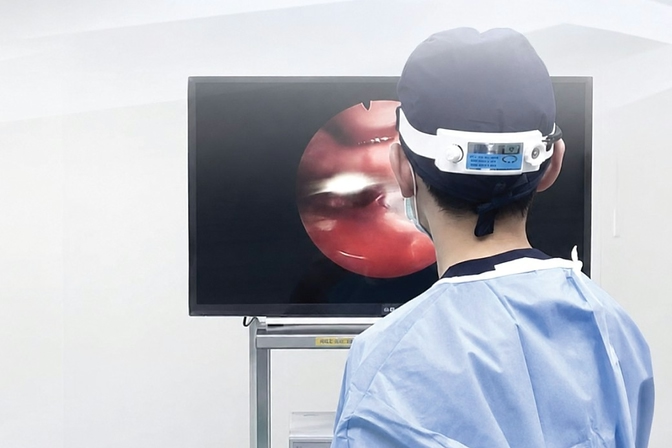
During Surgery
Your Surgical Team Follows The Agreed Plan, With Anaesthesia Chosen To Suit Your Procedure And Health.
- Monitoring: Your Team Monitors You Throughout The Procedure.
- Tissue And Skin: Your Surgeon Repositions Tissue And Removes Excess Skin As Needed For Your Procedure.
- Incision Closure: Incisions Are Closed With Sutures Or Skin Adhesives, Depending On The Technique.
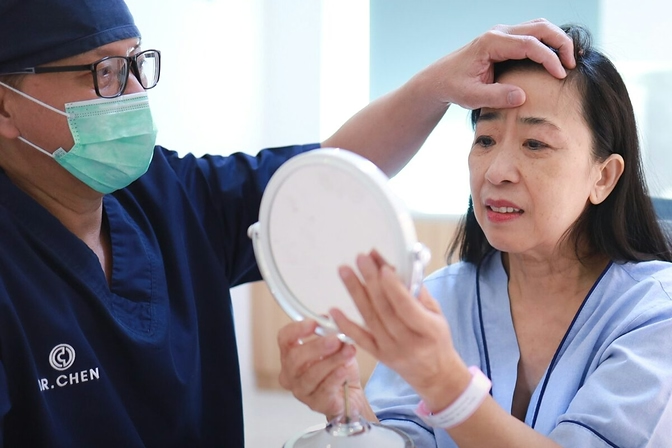
After Surgery
Your Care Team Monitors Your Early Recovery And Explains How To Care For Yourself After Surgery.
- Wound Care: Follow Instructions For Incision Care And Any Prescribed Medicines.
- Daily Activities: Confirm Activity Limits And The Help You May Need At Home.
- Follow-Up: Confirm Review Appointments, Warning Signs To Watch For And Who To Contact With Concerns.
Face Lift Recovery And Follow-Up
Swelling, Bruising, Tightness, Discomfort And Temporary Changes In Sensation Can Occur After Face Lift Surgery. Early Improvement Does Not Mean Healing Is Complete. Your Recovery Plan Depends On The Extent Of Surgery And Your Individual Progress.

Early Recovery
Follow The Team’s Instructions For Incision Care, Dressings And Medicines. Ask When You Can Wash Your Hair, Use Makeup, Return To Work And Resume Exercise.
Ongoing Healing
Swelling And Scars Continue To Change Over Time. Review Visits Help Your Surgeon Assess Healing And Advise When Activities Or Travel Are Appropriate.
Contact Your Treating Team Promptly If You Develop Severe Pain, Unexpected Swelling, Bleeding Or Other Concerning Symptoms. Seek Emergency Care For Breathing Difficulty Or Chest Pain.
Your DCH Medical Team
Your Consultation Is An Opportunity To Discuss Your Goals, Review Suitable Options And Understand The Proposed Care Plan. Ask Who Will Perform Your Procedure And Who Will Coordinate Your Follow-Up.
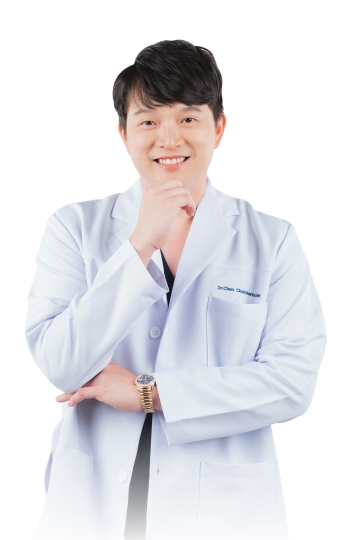
Dr. Chen Chaicharncheep
Founder And Physician At DCH Hospital
นพ. เชน ชัยชาญชีพ
ใบอนุญาตประกอบวิชาชีพเวชกรรมเลขที่ 51245
- Medical Education
- Doctor Of Medicine
Chiang Mai University - Recognised Specialty
- Orthopaedics
Consultation Areas
His DCH Hospital Profile Includes Face Lift And Facial Contouring Consultations. During Your Visit, Discuss The Proposed Treatment, Alternatives, Risks And Recovery, And Confirm The Clinician Responsible For Your Procedure.